The Perfect Loaf: The Craft and Science of Sourdough Breads - Maurizio Leo Review (2026)
Updated September 14, 2026 · Research-based review
Our verdict
The Perfect Loaf suits home bakers who already have a loaf or two under their belt and want to understand the fermentation science behind their results, not just follow steps. It is thorough and recipe rich, but its detail and precision can overwhelm someone baking their very first sourdough loaf.
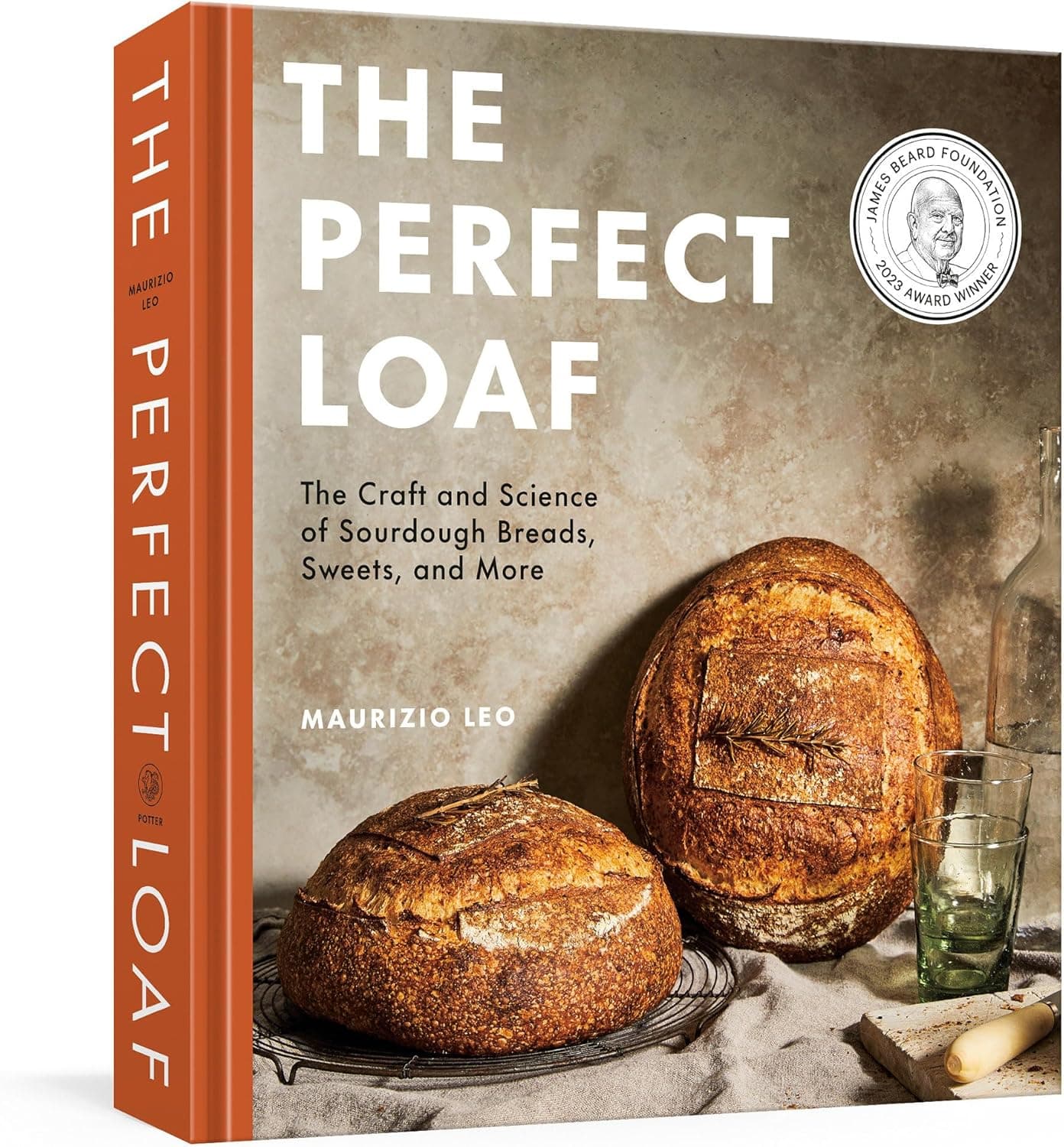
The Perfect Loaf by Maurizio Leo, a detailed guide to the craft and science of sourdough breads for committed home bakers.
Price range: See on Amazon
What we liked
- + Explains the science behind fermentation, so you understand why each step matters
- + Goes deep on technique, which helps intermediate bakers troubleshoot their loaves
- + Author is known for his long-running sourdough blog of the same name
Trade-offs
- - Detailed, science-heavy approach can overwhelm someone baking a first loaf
- - Many recipes expect a precise scale and a fairly flexible baking schedule
Who Should Reach for This Book
Maurizio Leo, known for his long running sourdough blog of the same name, wrote this as a 432 page hardcover published by Clarkson Potter, according to the publisher's listing, measuring roughly 9 by 10.25 inches. That size and page count signal a reference book meant to sit open on a counter rather than a slim weekend project guide. The publisher's description positions it for bakers who want to move past following a recipe by rote and start understanding why a dough behaves the way it does, covering topics like starter maintenance, hydration, and baker's percentages alongside the recipes themselves. Someone who has never shaped a loaf before may find the depth here more than they need on day one.
What the Book Actually Covers
According to the publisher, the recipes span freeform loaves and pan breads through pizza and flatbreads, dinner rolls, and sweet baked goods like cinnamon rolls and doughnuts, so the sourdough starter that opens the book carries through into far more than a basic boule. The publisher also highlights troubleshooting sections and visual guides meant to help a baker diagnose what went wrong with a dense crumb or a blown out loaf, which is often the hardest part to learn from a recipe alone. Sidebars address common questions bakers run into, building toward what the publisher calls baker's intuition, an understanding of how flour, hydration, and timing interact rather than a single fixed method.
Living With the Book in a Home Kitchen
At 432 pages, this is not a book you read cover to cover before your first bake, it is one you return to repeatedly as questions come up mid process, which is where the troubleshooting sections and detailed technique explanations earn their keep. The hardcover format and roughly 9 by 10.25 inch trim size hold up well to being propped open on a counter dusted with flour, more so than a paperback would. Recipes that lean on baker's percentages generally expect a kitchen scale rather than measuring cups, so getting full value out of the book assumes you are willing to weigh ingredients rather than scoop them.
How It Compares With Tartine Bread
Tartine Bread by Chad Robertson is the other widely referenced sourdough book in this category, built around a single influential country loaf method told in a more narrative style, while The Perfect Loaf leans harder into explaining the underlying science across a wider range of recipes. Robertson's book asks a baker to absorb a method through description and photography, whereas Leo's is organized more like a reference text with explicit troubleshooting guides. Bakers who want one flagship recipe explained in depth may prefer Tartine Bread, while those who want a broader library of breads with the reasoning behind each step spelled out will get more from The Perfect Loaf.
Verdict
This is one of the more complete sourdough references available for home bakers who are past their first few loaves and want to know why a recipe works, matching our score of 9.4 out of 10 for how well it fits that role. Its size, scientific depth, and scale dependent recipes are strengths for an intermediate baker and a potential barrier for someone who just wants a simple first recipe. A total beginner might start with a shorter, more linear guide and graduate to this book once basic shaping and timing feel familiar.
Frequently asked questions
Is The Perfect Loaf a good book for a complete beginner?
It can work, but its depth and science focus are better suited to someone who has already baked a loaf or two and wants to understand the process.
Does The Perfect Loaf cover more than just basic sourdough bread?
Yes, the publisher lists recipes for pan breads, pizza and flatbreads, rolls, and sweet baked goods like cinnamon rolls alongside classic loaves.
Do I need a kitchen scale to use this book?
It is recommended. Many recipes are built around baker's percentages, which assume weighed ingredients rather than measuring cups.
How does The Perfect Loaf compare with Tartine Bread?
Tartine Bread centers on one narrative method for a country loaf, while The Perfect Loaf covers a wider range of recipes with more explicit troubleshooting guidance.
Prices change often, so check the current price and availability on Amazon.
Check price on AmazonSourdough Gear Hub may earn a commission from the link above.