Banneton vs Bowl Proofing
Published Updated How we research
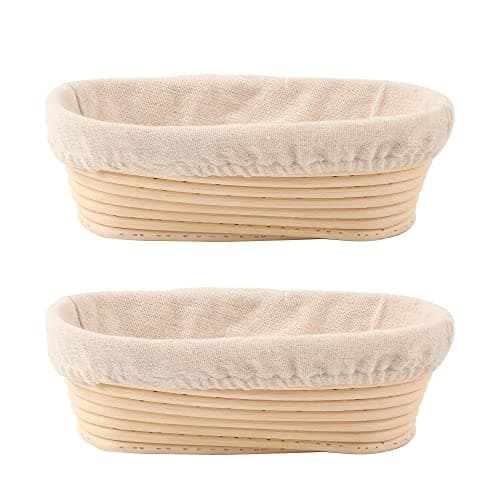
A banneton is helpful but not essential: a mixing bowl lined with a floured towel does the same core job of supporting your shaped loaf during its final rise. What a banneton adds is better surface drying, firmer walls and the spiral rings you see in bakery photos. Here is exactly what each option does, and when the upgrade is worth it.
Products from this article
The highest-scoring picks from the buying guides this article links to. Scores are our editorial assessment, not customer ratings.
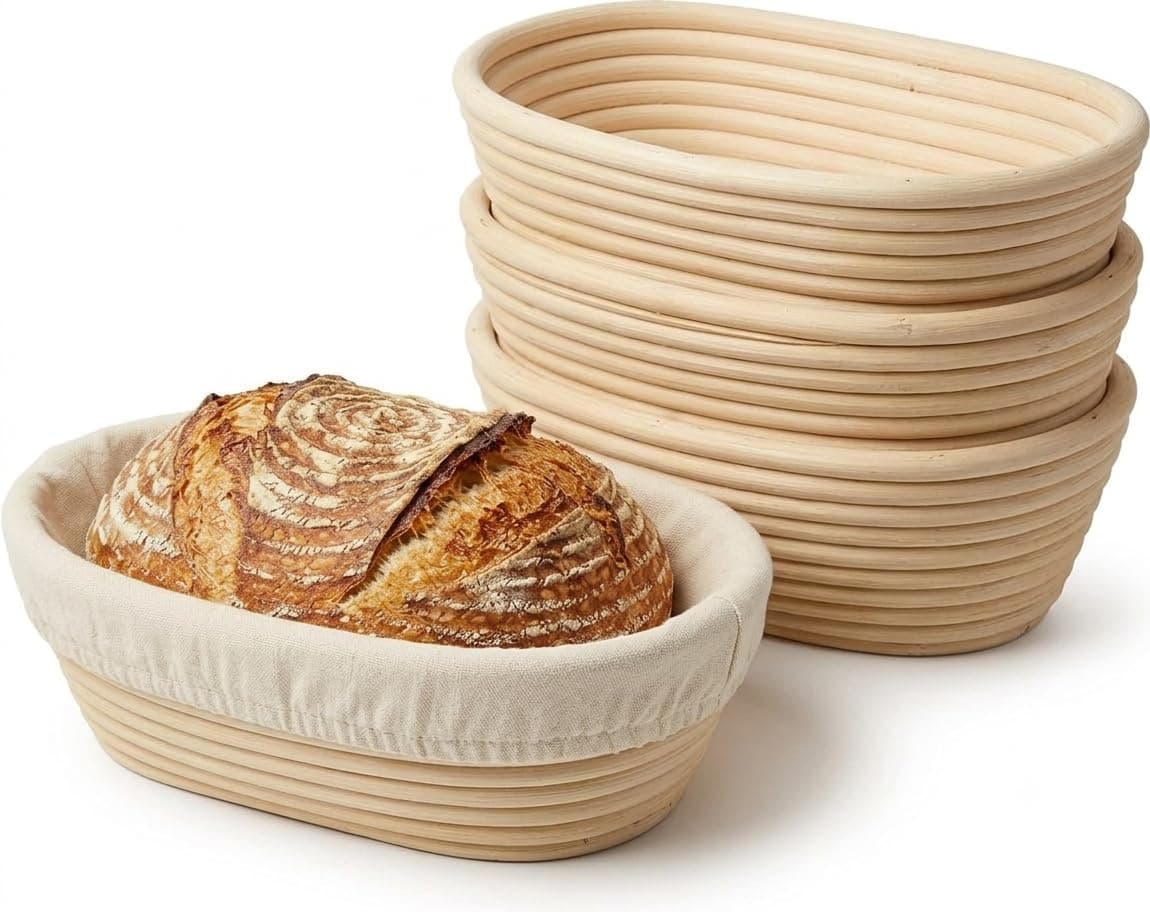
+ 4 Pack lets you proof several batards at once for big bake days
From our guide: Best Oval Proofing Baskets
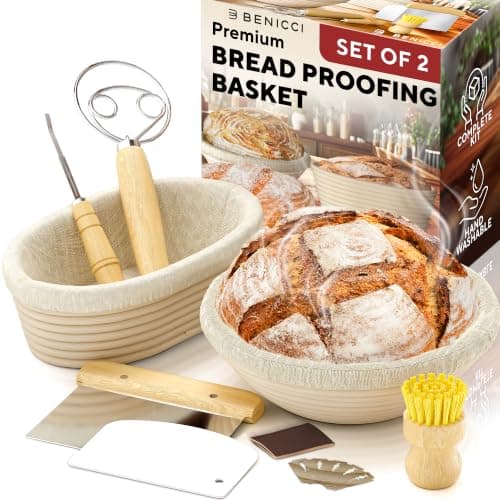
+ Round 9 inch and oval 10 inch baskets in one box, so you can proof a boule and a batard side by side.
From our guide: Best Proofing Baskets
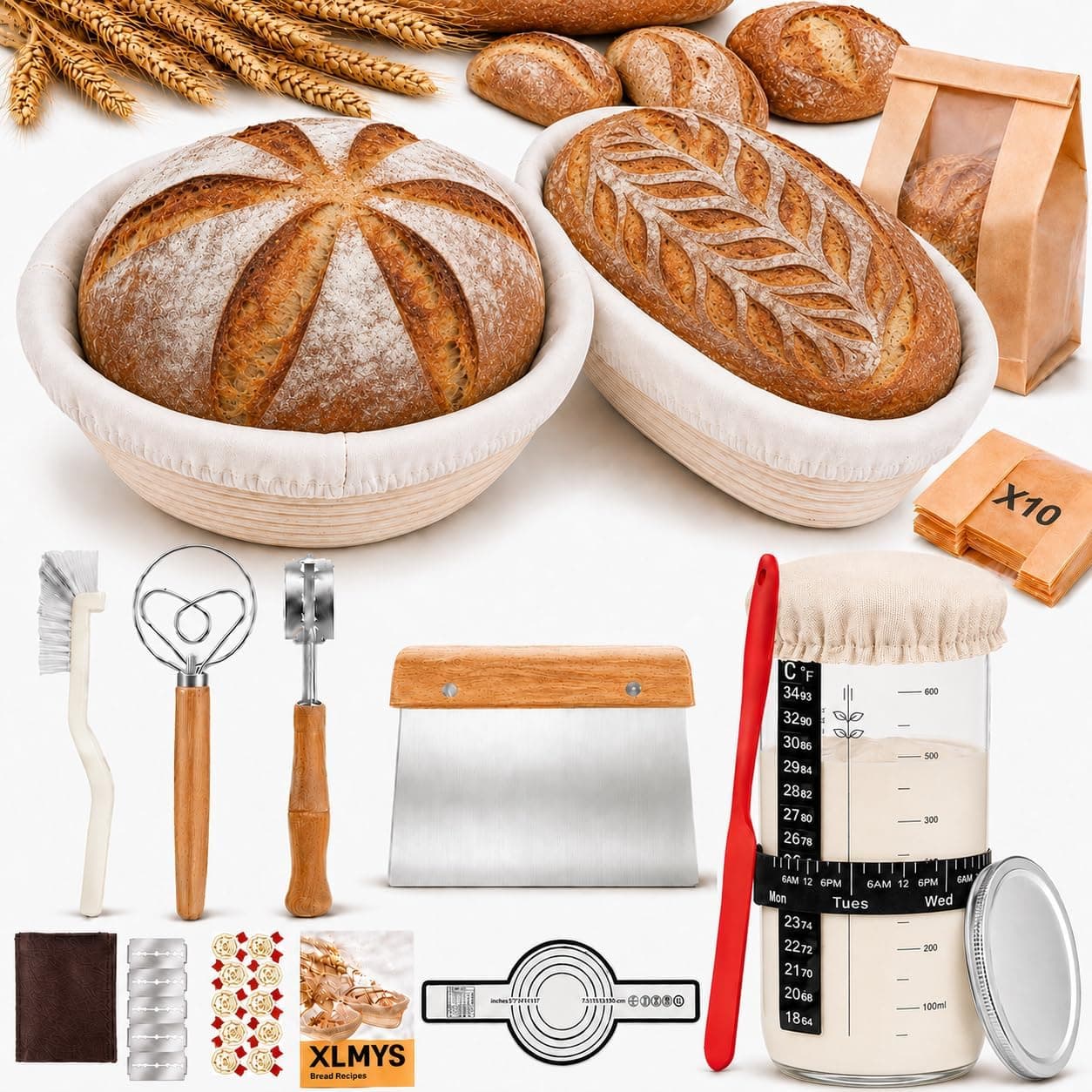
+ Starter jar is included, so beginners can build a culture and bake with one kit
From our guide: Best Bannetons
+ Flour brush helps clean basket ridges and dust off excess flour
From our guide: Best Oval Proofing Baskets
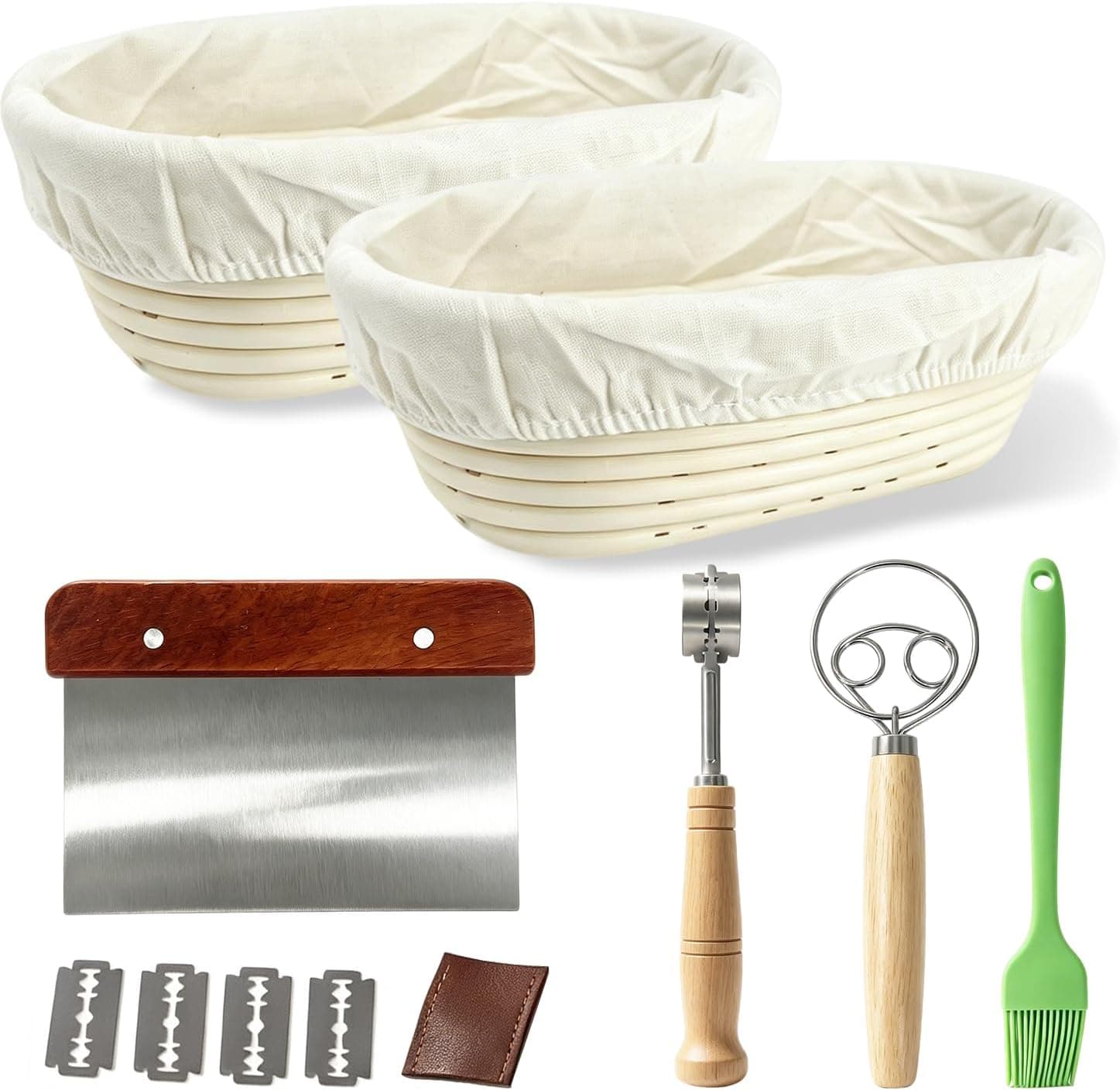
What a Banneton Actually Does
A banneton, sometimes called a proofing basket or brotform, is typically made of coiled rattan or cane. Its job is to cradle your shaped dough while it proofs, holding the loaf in a round or oval form so it rises up rather than spreading out. The coiled surface also wicks away a little moisture from the dough's skin, which helps develop a slightly drier surface that scores cleanly and bakes into a crisp crust. Those attractive spiral rings on a finished loaf come directly from the basket.
Using a Bowl and a Towel Instead
A regular mixing bowl can absolutely do the core job of a banneton. Line a bowl of the right size with a clean kitchen towel, dust it generously with flour, and place your shaped dough seam side up inside. The bowl supports the loaf and keeps it from flattening, and the towel prevents sticking. You will not get the decorative rings or quite the same surface drying, but the loaf will proof and hold its shape perfectly well, which is what matters most for a good bake.
Banneton vs Bowl: Where They Really Differ
The difference between the two comes down to a few refinements rather than success or failure. A banneton tends to manage surface moisture a bit better and produces that signature look, and its firm walls give slightly more consistent support than a soft towel. For bakers making many loaves or chasing a particular bakery aesthetic, these small advantages add up. For a home baker just getting reliable, tasty bread on the table, a floured towel in a bowl covers the essentials beautifully.
The Proofing Details That Matter More Than the Vessel
Whichever you choose, the keys to good proofing are the same. Flour your surface well so the dough releases cleanly, because a loaf that sticks and tears when you turn it out loses all the tension you built during shaping. Rice flour is especially good for this since it does not absorb into the dough the way wheat flour can. Match the size of your basket or bowl to your loaf so the dough is supported without being cramped or swimming in empty space.
Should You Buy a Banneton?
If you decide to invest in a banneton later, it is an inexpensive and pleasant upgrade that many bakers enjoy. But do not let the lack of one stop you from baking today. A bowl and a towel have launched countless sourdough journeys, and plenty of experienced bakers still reach for them. Focus your energy on shaping and fermentation, and let the proofing vessel be whatever works for you right now.
Common Questions About Banneton vs Bowl Proofing
Can I use a bowl instead of a banneton? Yes. Line a correctly sized bowl with a clean towel, flour it generously and place the shaped dough seam side up. The loaf proofs and holds its shape just as well.
What size banneton do I need? Match the basket to the loaf. A 750g to 1kg dough suits a standard 9-inch round or 10-inch oval. Too large and the dough spreads, too small and it is cramped.
Why does my dough stick to the banneton? Not enough flour, or the wrong flour. Rice flour resists absorbing into the dough far better than wheat flour and is the usual fix.
Do I need to season a new banneton? Lightly. Mist it, dust it heavily with rice flour and let it dry before first use, then simply brush it out between bakes rather than washing it.
Which Bowls Work Best for Proofing, and Which to Avoid
Almost any clean bowl can stand in for a banneton, but shape matters more than material. Look for a bowl with a gently rounded bottom and sloped sides, roughly the width you want your finished loaf to be. A bowl that is too wide lets the dough spread into a flat disc, while one that is too narrow and deep gives you a tall, lopsided boule that can deflate when turned out.
Glass, ceramic, stainless steel, and sturdy plastic bowls all work once they are lined with a well-floured towel, because the dough touches the cloth rather than the bowl. Metal bowls cool down quickly in the fridge, which is fine for an overnight proof, and glass lets you peek at the sides to judge the rise. Avoid bowls with flat bottoms and straight sides, which support the dough poorly, and bowls with a strong odor that cloth can absorb.
For an oval loaf, a loaf pan or a long shallow dish lined with a floured towel does the job of an oval banneton. A colander lined with a towel is another classic substitute, since the holes let a little air reach the dough, similar to a cane basket. Whatever you use, a tight-weave cotton or linen towel releases better than terry cloth, which dough tends to grip.
Cold Proofing Overnight: Banneton or Bowl
Many sourdough bakers proof shaped loaves in the fridge overnight, and both a banneton and a bowl handle this well. The key is covering the dough so its surface does not dry out and form a tough skin. Slide the banneton or bowl into a reusable bag, cover it with a shower cap, or set a plate on top, and leave a little space for the dough to rise.
A long cold proof gives towel-lined bowls more time to stick, because moisture slowly moves from the dough into the fabric. Be generous with rice flour on the towel, and dust the top of the shaped loaf too before placing it seam side up. Bannetons tend to be a little more forgiving here, but they still need good flouring for a clean release after many hours.
When you are ready to bake, turn the dough out directly from the fridge onto parchment. Cold dough holds its shape better and is easier to score cleanly, which is one reason overnight proofing is popular regardless of which vessel you use. If the dough sticks in a spot, ease it free with a floured hand rather than pulling, and add more rice flour to that part of the towel or basket next time.
Quick answers
Can I use a glass or metal bowl to proof sourdough?
Yes. Line the bowl with a smooth cotton or linen towel and dust it well with rice flour, so the dough touches the cloth instead of the glass or metal. Choose a bowl with a rounded bottom and sloped sides about the size of your finished loaf, which supports the shape the way a banneton does.
Can I use a colander instead of a banneton?
A colander lined with a well-floured towel is a good substitute. Its rounded shape supports the loaf and the holes let a little air reach the dough, similar to a cane basket. Make sure the towel fully covers the holes so the dough cannot press through, and pick a colander close to your loaf size.
Do I need a liner for my banneton?
A liner is optional. Proofing directly in a floured cane banneton gives the classic spiral flour pattern and good surface drying. A cloth liner makes release easier with wet or high-hydration doughs and keeps the basket cleaner, but you lose the ridged pattern. Many bakers keep a liner for sticky doughs and go bare otherwise.
Can I cold proof sourdough overnight in a bowl?
Yes. Use a towel-lined bowl dusted generously with rice flour, place the shaped dough seam side up, and cover the bowl with a bag, shower cap, or plate so the surface does not dry out. Extra flour matters for long proofs, since the towel has more time to absorb moisture and stick.
Popular right now
- Best Baking Stones for BreadBuying guide
- The 6 Best Silicone Baking Mats for Bread and Sourdough (2026)Buying guide
- Why Your Sourdough Dough Is Too Sticky to ShapeArticle
- The 7 Best Flour Storage Containers for Home Bakers (2026)Buying guide
- Best Sourdough Starter JarsBuying guide
- Sourdough Baking ScheduleArticle
Based on the last 28 days of search and visitor data.