Why Your Sourdough Dough Is Too Sticky to Shape
Published How we research
All sourdough is somewhat sticky, but dough that glues itself to your hands and spreads into a puddle is a sign that something needs adjusting. The usual causes are hydration that is too high for your flour, under-developed gluten or over-fermentation. Once you know which one applies, you can shape confidently without piling on extra flour.
Hydration may be too high for your flour
Recipes are often written for strong bread flour. All-purpose flour, some regional flours and flours with lower protein absorb less water, so the same recipe produces a much wetter dough.
If your dough is always slack, reduce the water by 5-10% of the flour weight next time and increase it gradually as your technique improves. Holding back some water and adding it during mixing lets you judge how much the flour can take.
Build more gluten strength
Weak gluten cannot hold water or gas, so the dough stays shaggy and sticky. Stretch and folds or coil folds during the first half of bulk fermentation strengthen the dough a little with each set.
By the end of the folds, the dough should feel smoother, more elastic and less sticky, and it should hold a rounded shape in the bowl. If it still tears easily, add another set of folds.
Check fermentation
Over-fermented dough breaks down its gluten structure and becomes sticky, soupy and hard to shape. Warm kitchens, very active starters and long bulk times all speed this up.
Watch the dough rather than the clock. Look for a rise of roughly 50-75%, a domed surface, bubbles on the sides and a jiggly, airy feel. If your dough overshoots regularly, use cooler water or shorten bulk fermentation.
Handle sticky dough with technique
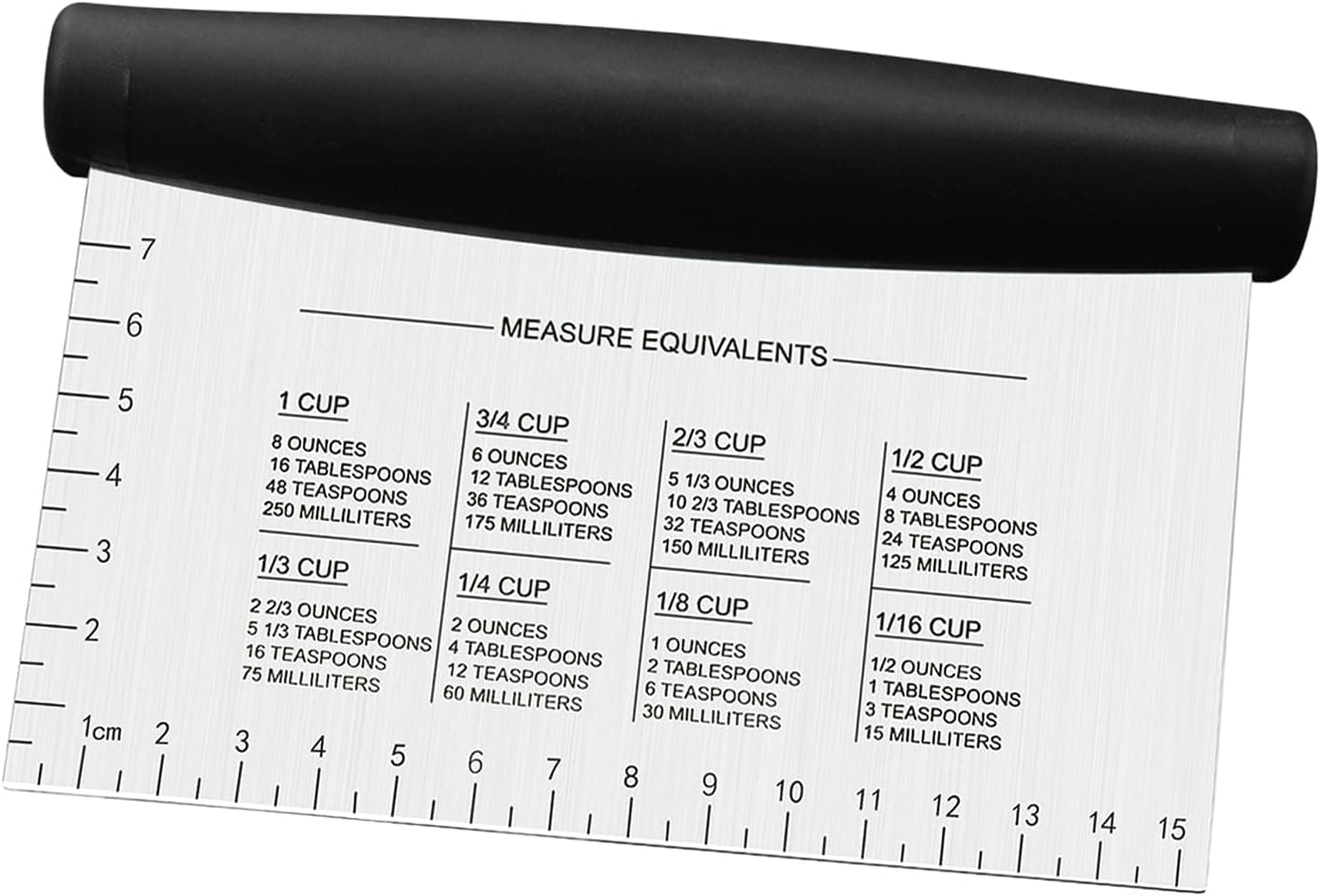
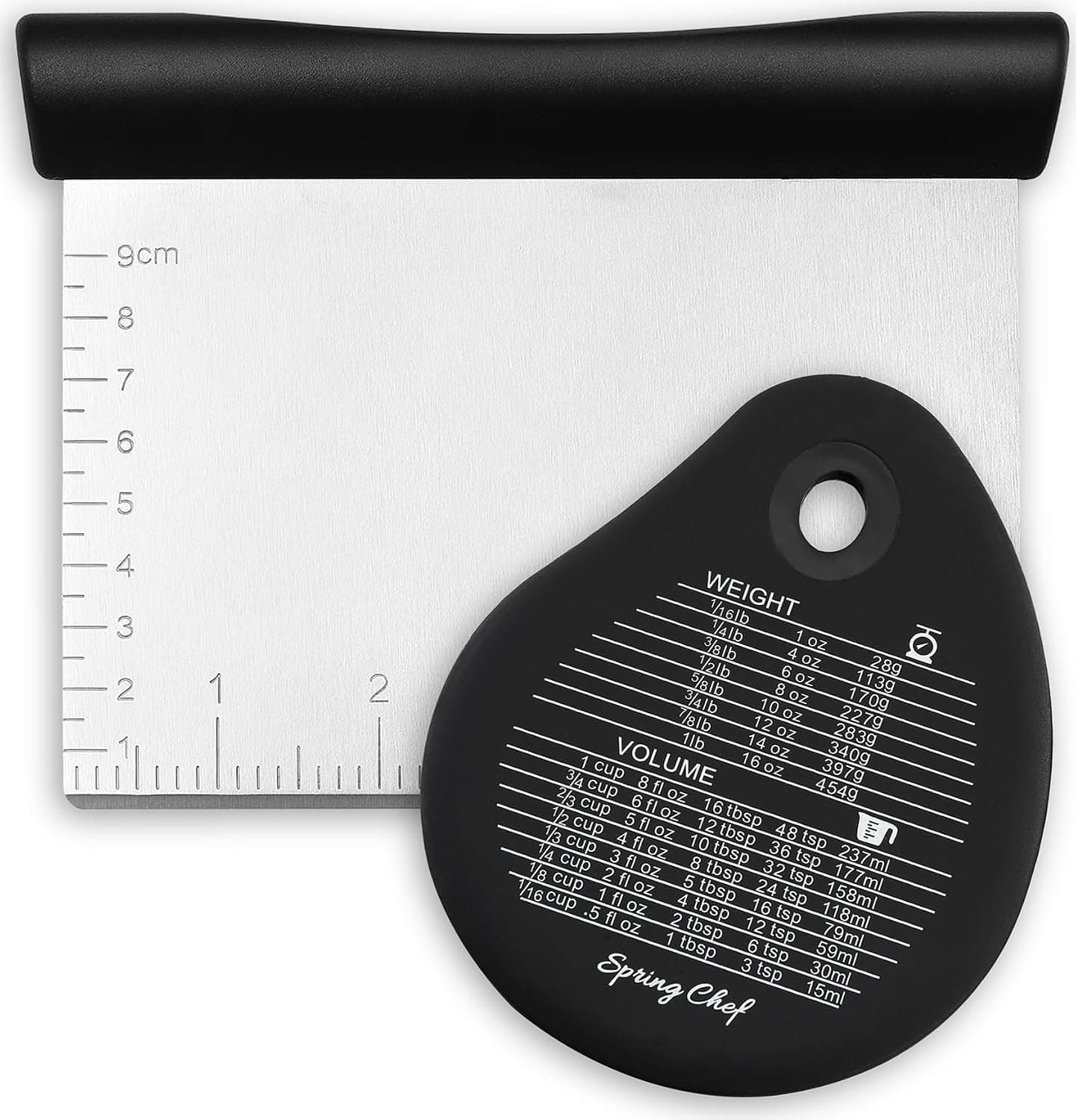
Wet hands and a wet bench scraper stick less than dry hands. Work quickly and confidently, using the scraper to move and fold the dough rather than grabbing it with your fingers.
For shaping, lightly flour only the surface of the dough, not the counter under it. A lightly floured top lets you flip and shape, while an unfloured counter provides the grip needed to build tension.
Try the right tools
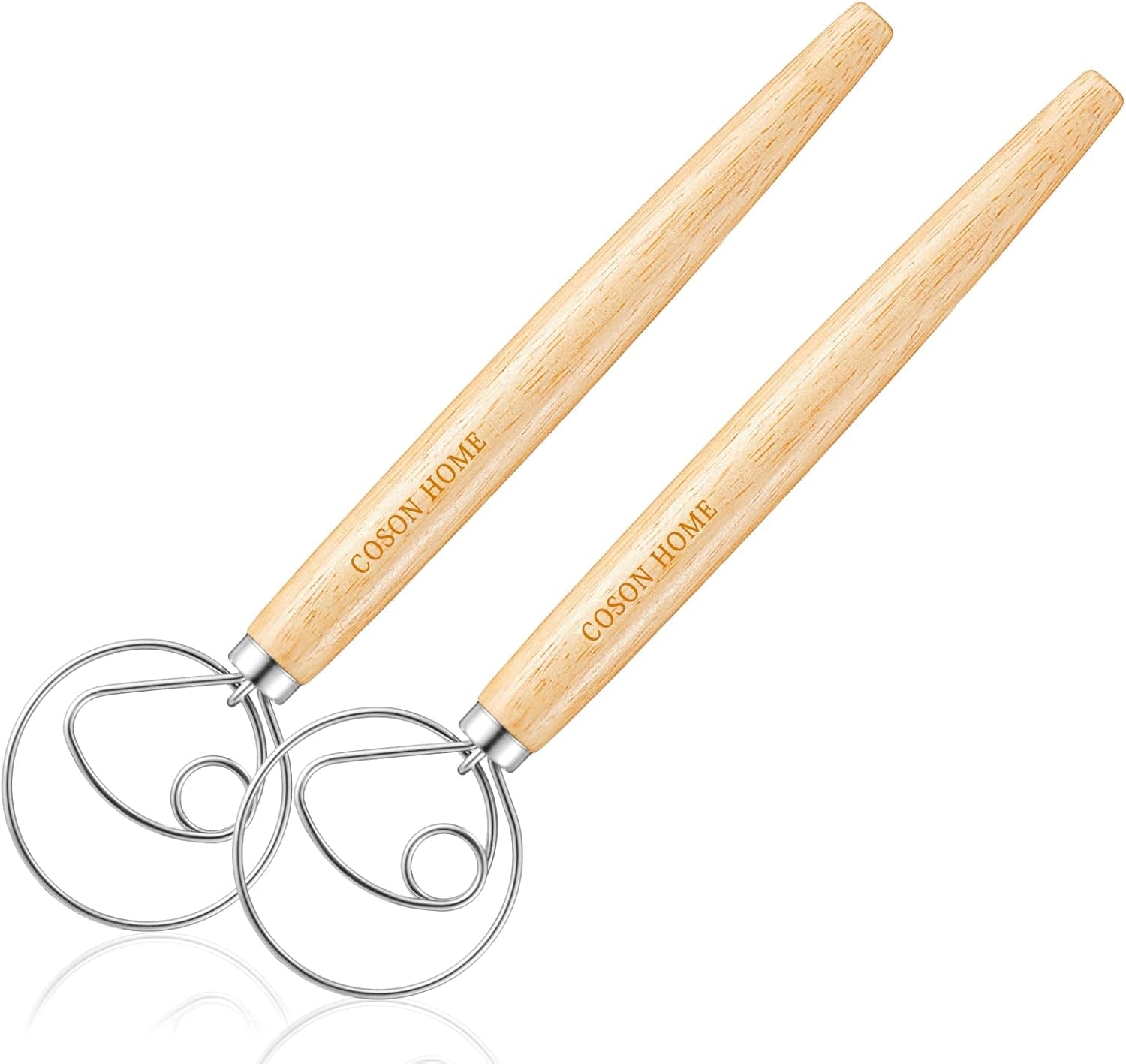
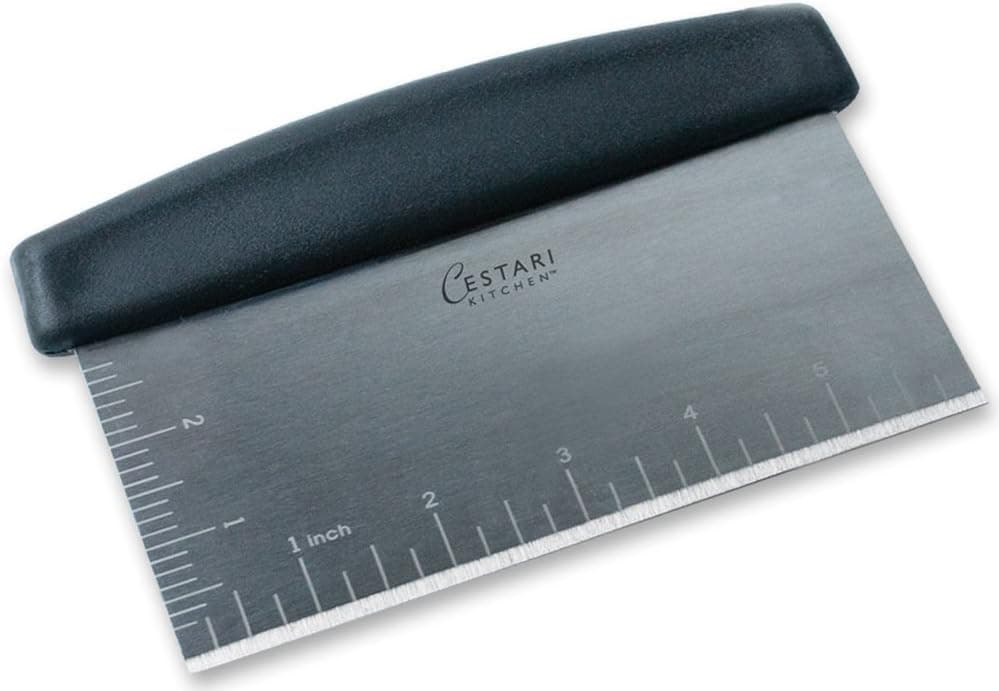
A dough whisk mixes wet dough without it clinging to a spoon, and a flexible bowl scraper cleanly removes dough from the mixing bowl. A metal bench scraper is the most useful tool for shaping high hydration dough.
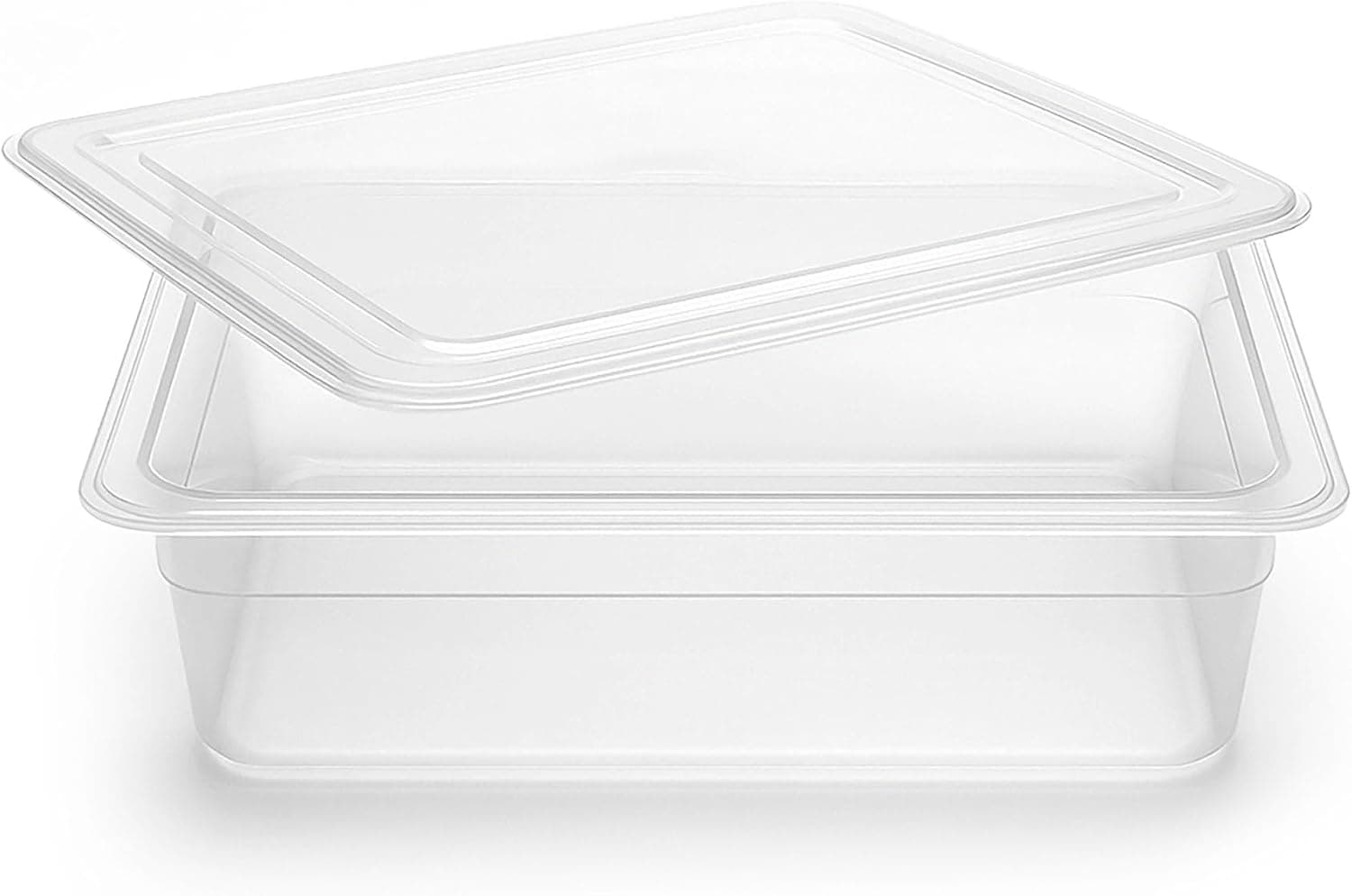
Dough proofing containers with straight sides and measurement markings make it easier to see how much the dough has risen, which helps you avoid the over-fermentation that causes stickiness.
Products from this article
The highest-scoring picks from the buying guides mentioned above. Scores are our editorial assessment, not customer ratings.
+ Markings on the blade make cutting uniform dough pieces easy
From our guide: Best Bench Scrapers for Bread
+ 2 Pack lets you keep one whisk for starter and one for dough
From our guide: Best Danish Dough Whisks
+ Fits up to 3000 grams of dough, which covers large sourdough batches
From our guide: Best Dough Proofing Containers
+ Heavy duty stainless steel resists bending when cutting stiff dough
From our guide: Best Bench Scrapers for Bread
Popular right now
- Banneton vs Bowl ProofingArticle
- Sourdough Baking ScheduleArticle
- Troubleshooting Dense Sourdough BreadArticle
- Best Dough ScrapersBuying guide
- Understanding Sourdough Hydration BasicsArticle
- Best Sourdough Scoring TemplatesBuying guide
Based on the last 28 days of search and visitor data.