Sourdough Baking Schedule
Published How we research
One of the biggest misconceptions about sourdough is that it demands you hover in the kitchen all day. In reality, sourdough asks for time rather than constant attention, and most of that time is hands off while the dough quietly ferments. Once you understand the rhythm of a bake and how to bend it around your own schedule, you will find that homemade bread fits into even a busy week with room to spare.
Products from this article
The highest-scoring picks from the buying guides this article links to. Scores are our editorial assessment, not customer ratings.
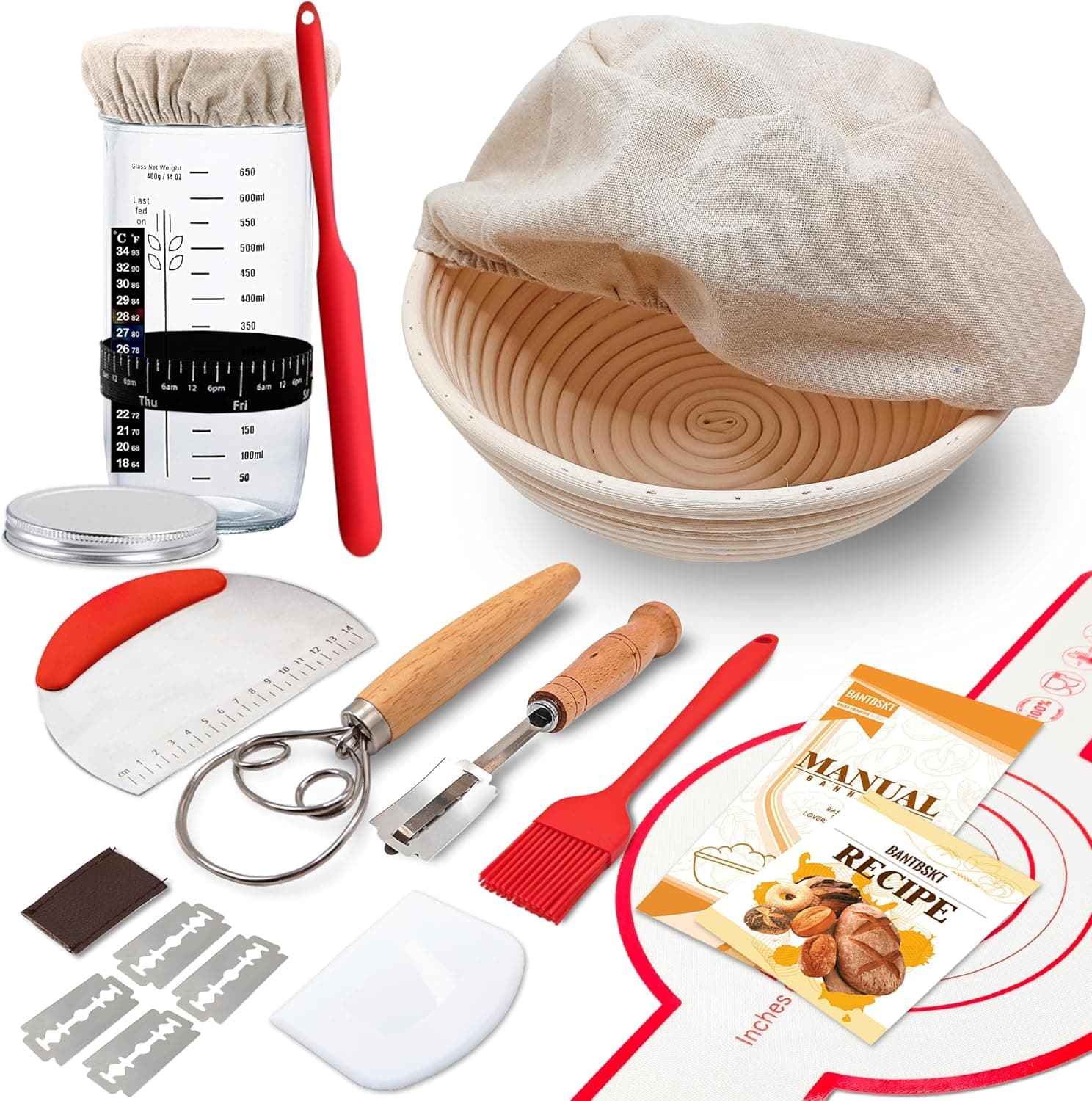
+ Starter jar is included, so beginners can build a culture and bake with one kit
From our guide: Best Sourdough Starter Kits
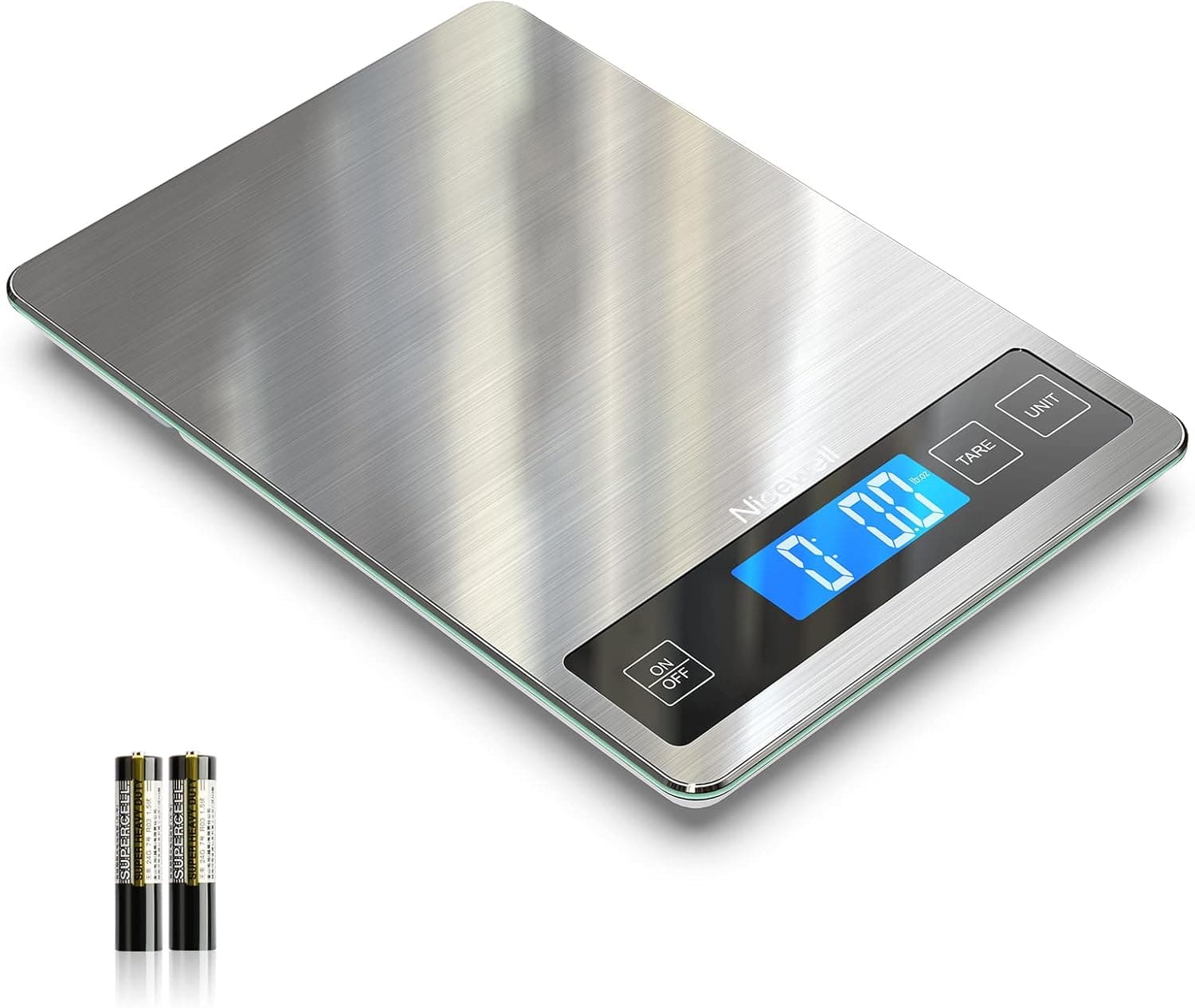
+ 22lb capacity handles heavy bowls of dough plus the bowl itself
From our guide: Best Kitchen Scales For Baking
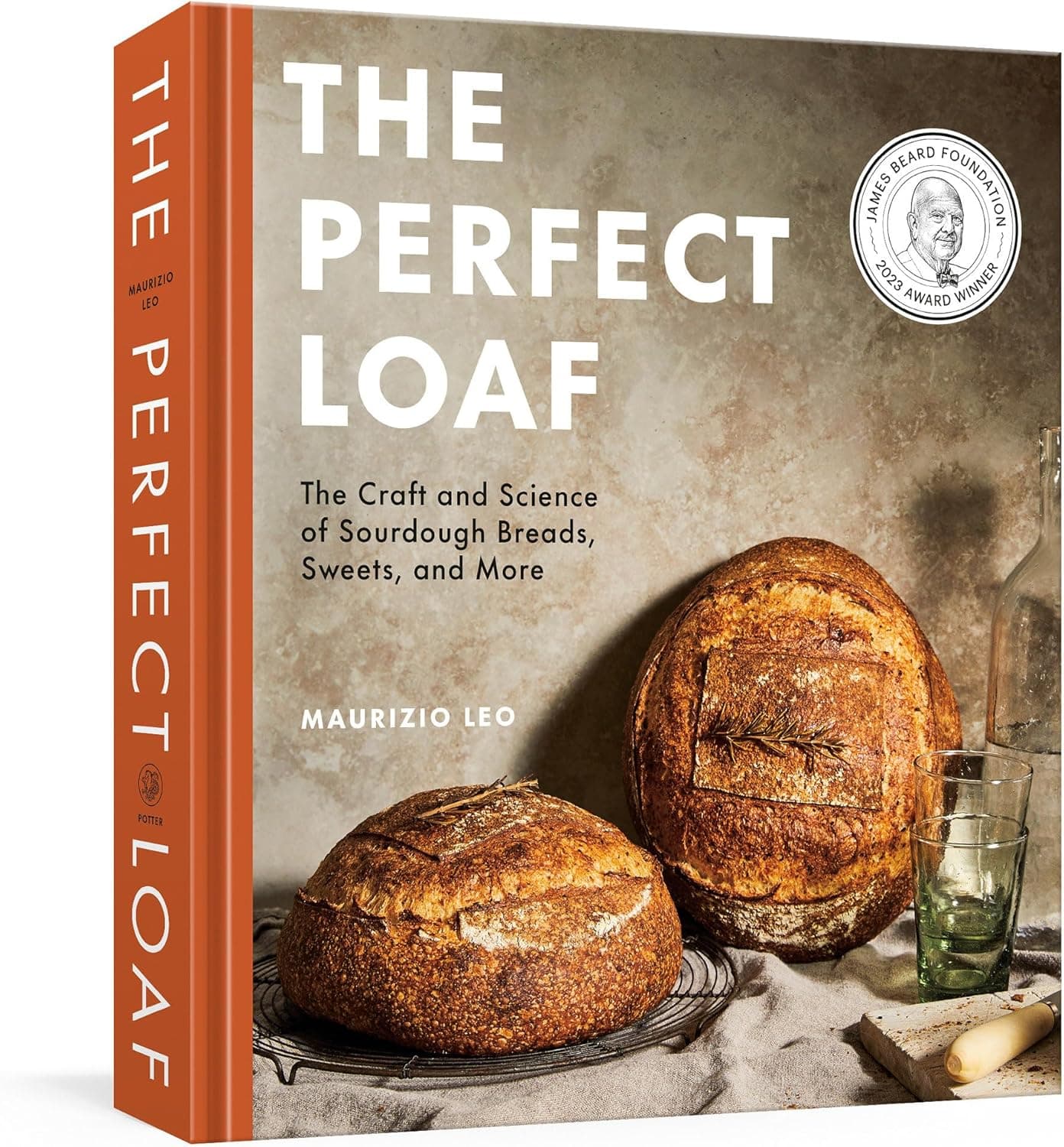
+ Explains the science behind fermentation, so you understand why each step matters
From our guide: Best Sourdough Recipe Books
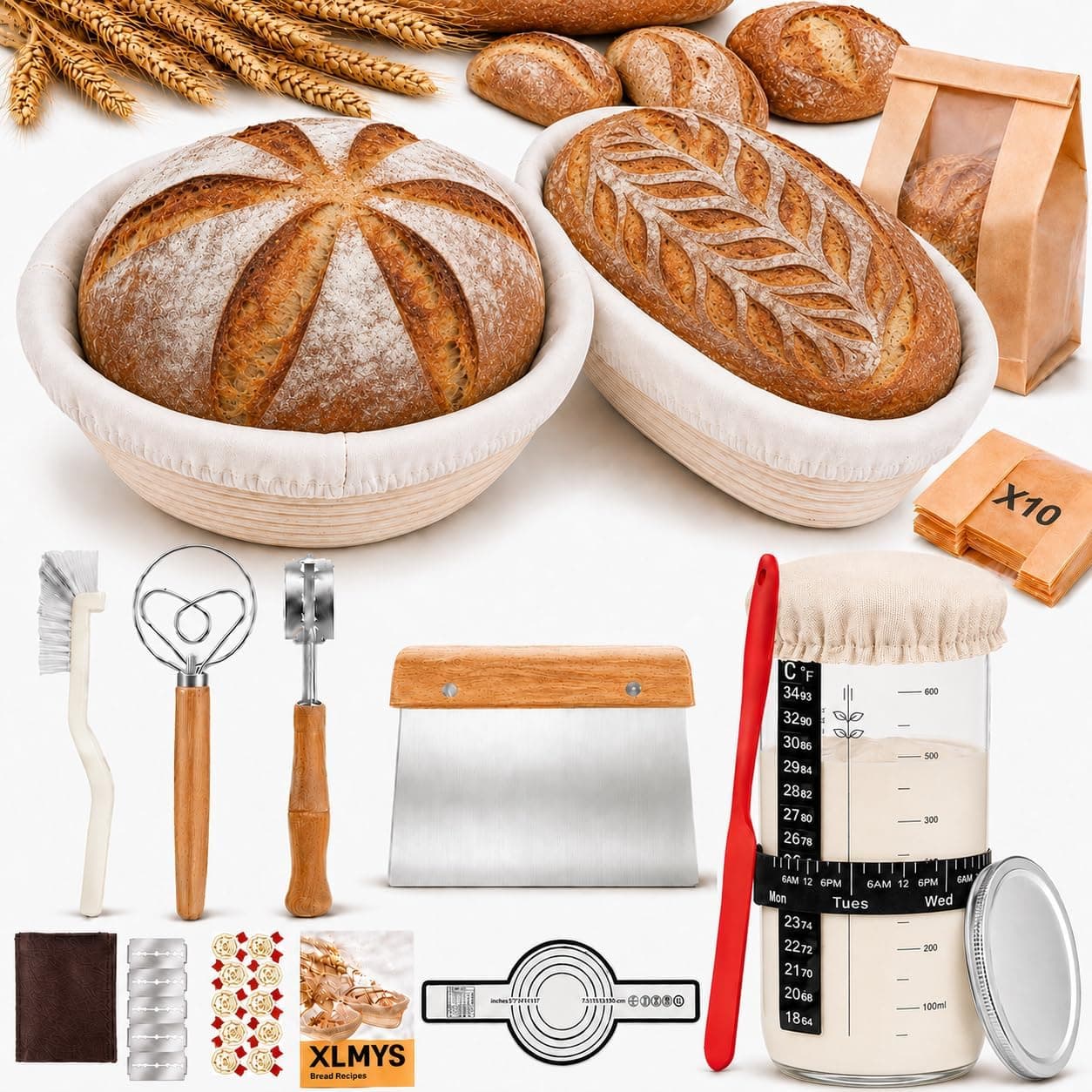
+ Glass starter jar lets you watch your culture bubble and rise
From our guide: Best Sourdough Starter Kits
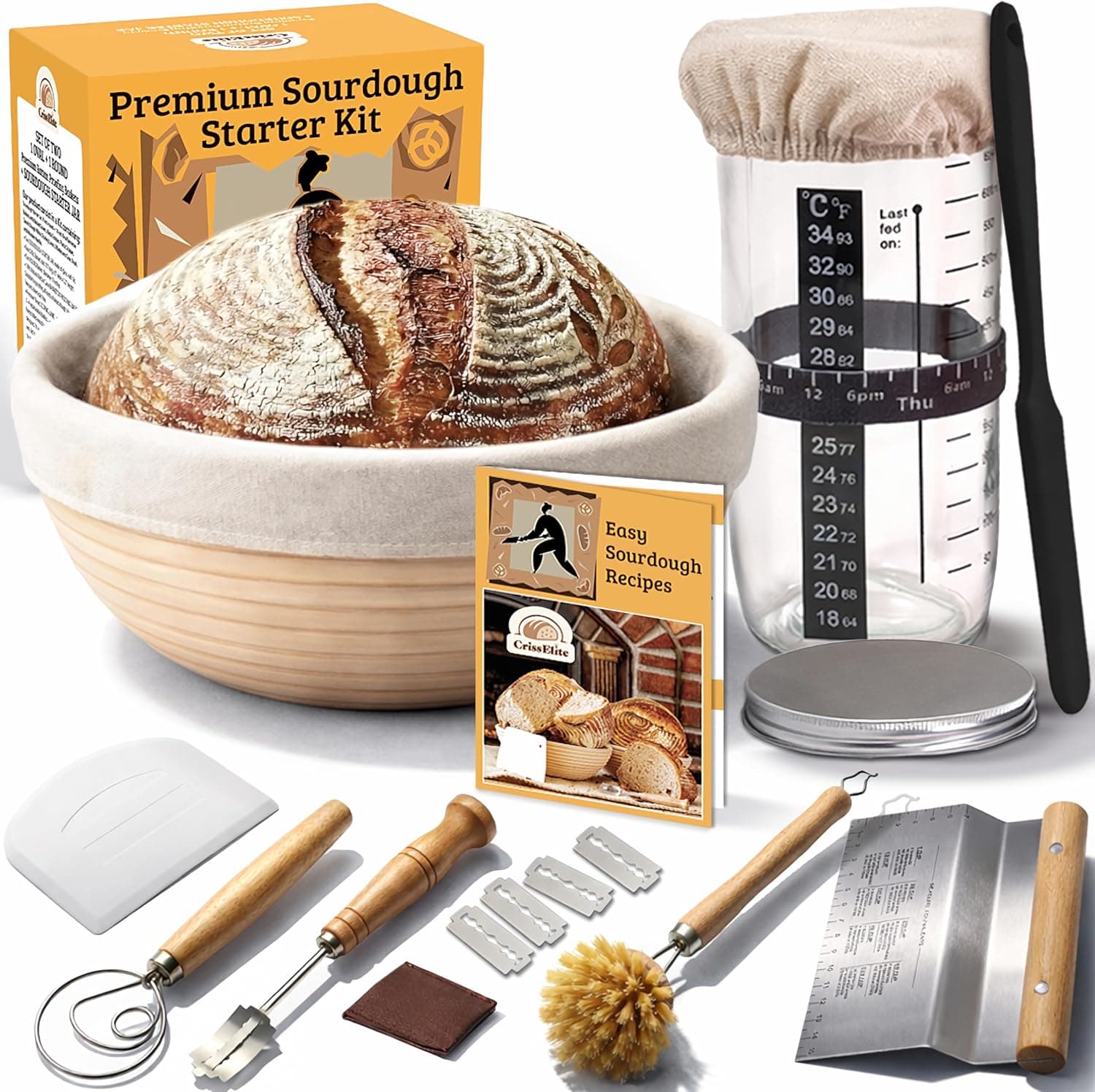
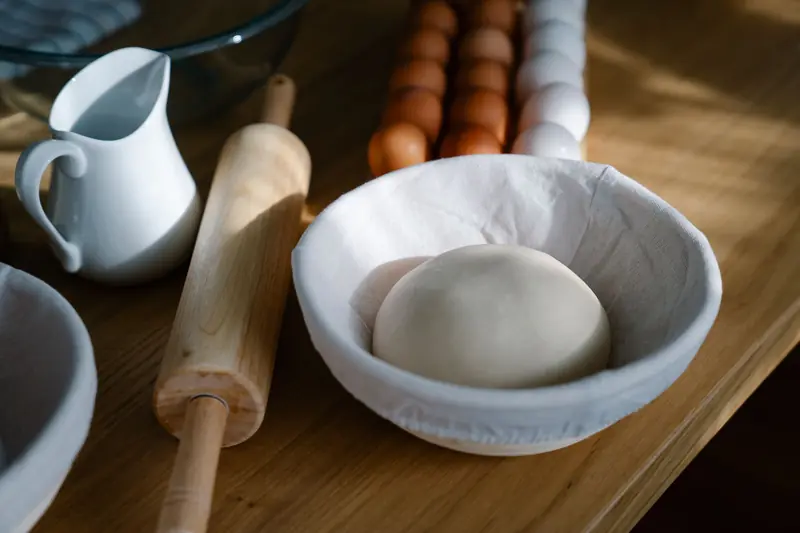
A typical bake unfolds in a few distinct stages. First you feed your starter and wait for it to become active, which takes several hours. Then you mix the dough and let it go through bulk fermentation, usually four to six hours at room temperature, with a few quick folds sprinkled through the first couple of hours. After that you shape the loaf, give it a final proof, and bake. The key insight is that you can slow down or pause several of these stages using your refrigerator, which turns a rigid timeline into a flexible one.
A common and convenient approach is the overnight cold proof. You mix and bulk ferment your dough during the day or evening, shape it, and then place the shaped loaf in the refrigerator overnight. The cold dramatically slows fermentation, so the dough proofs gently for many hours while you sleep. In the morning you simply preheat your oven and bake straight from the fridge. This method also improves flavor and makes scoring easier, so it is a favorite among home bakers with day jobs.
If you prefer a same day loaf, you can run the whole process from morning to evening. Feed your starter first thing, mix the dough by late morning once the starter peaks, bulk ferment through the afternoon, and shape and bake in the early evening. A warmer kitchen speeds this along, so summer bakes move faster than winter ones. Keep an eye on the dough rather than the clock, since temperature has a big effect on how quickly everything progresses.
The refrigerator is your best friend for flexibility, and you can use it at more than one point. You can cold retard the shaped loaf as described, or you can even slow the bulk fermentation by chilling the dough partway through if life interrupts your plans. Your starter can also live in the fridge between bakes, needing only a feeding or two to wake up before you bake again. These pauses let you bake on your terms rather than being tied to a strict sequence.
The best schedule is the one that matches your life, so experiment to find your groove. Many people settle into a weekend rhythm where they mix on Saturday, cold proof overnight, and bake fresh bread Sunday morning. Others bake midweek using the overnight method. Write down the timeline that works for you and repeat it, adjusting for the seasons. Once the pattern becomes routine, fitting real sourdough into a full calendar feels completely natural.
Popular right now
- Banneton vs Bowl ProofingArticle
- Best Baking Stones for BreadBuying guide
- The 6 Best Silicone Baking Mats for Bread and Sourdough (2026)Buying guide
- Why Your Sourdough Dough Is Too Sticky to ShapeArticle
- The 7 Best Flour Storage Containers for Home Bakers (2026)Buying guide
- Best Sourdough Starter JarsBuying guide
Based on the last 28 days of search and visitor data.