Dutch Oven vs Baking Steel
Published How we research
When it comes to baking sourdough at home, two pieces of equipment dominate the conversation: the Dutch oven and the baking steel. Both can produce bakery quality loaves with a crackly crust and great oven spring, but they work in different ways and suit different bakers. Understanding the strengths of each will help you decide which one belongs in your kitchen, or whether you might eventually want both.
Products from this article
The highest-scoring picks from the buying guides this article links to. Scores are our editorial assessment, not customer ratings.
+ Skillet serves as the base and the deep pot as the lid, so scored dough is easy to load
From our guide: Best Dutch Ovens for Bread
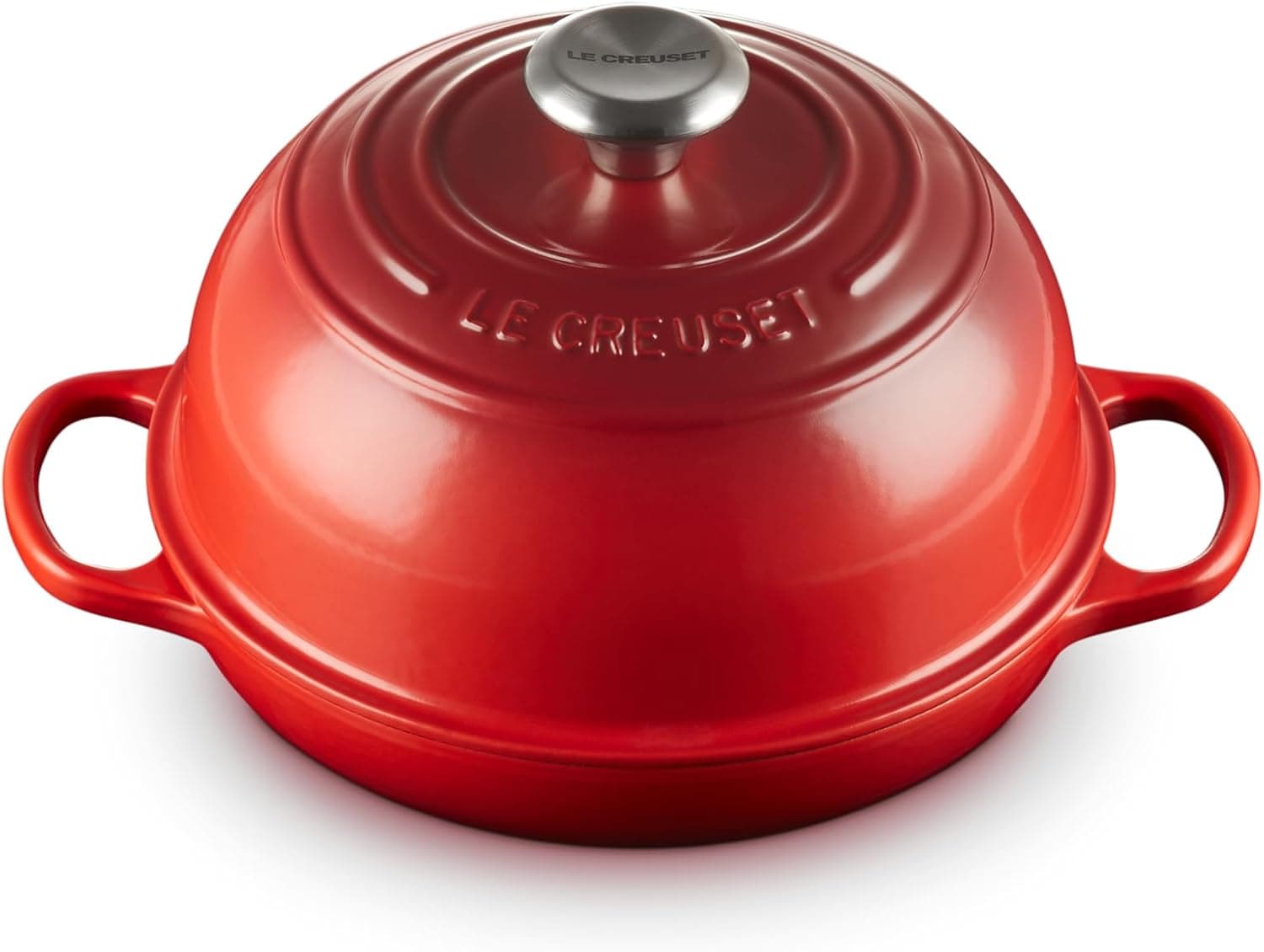
+ Glazed ceramic dome traps steam for a shiny, crackling crust on round loaves
From our guide: Best Bread Cloches
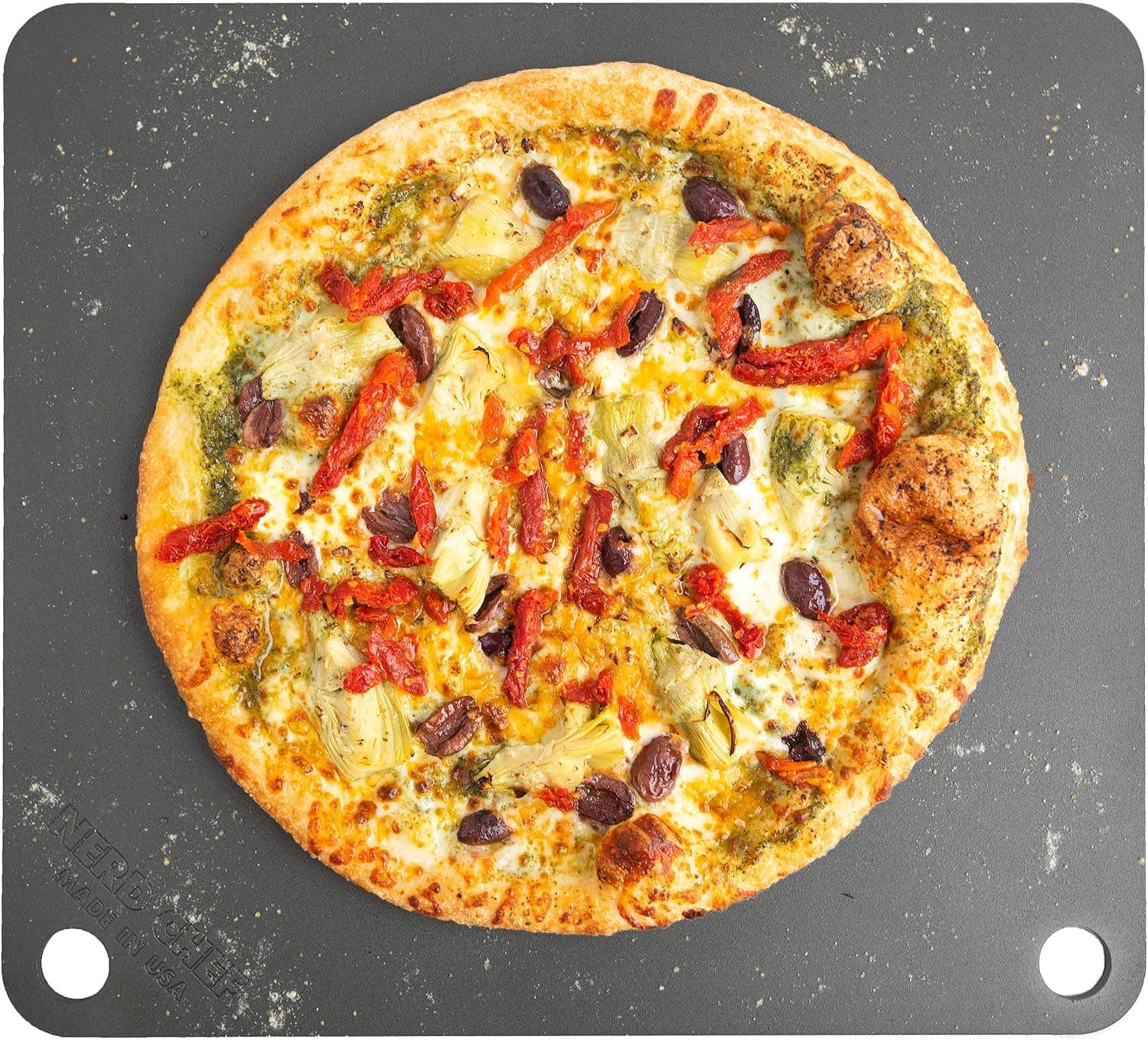
+ 0.375 inch steel holds more heat than the Standard, so it recovers better between loaves
From our guide: Best Baking Steels for Bread
+ Proven LCC3 design is a favorite for boules because the shallow half makes loading easy
From our guide: Best Dutch Ovens for Bread
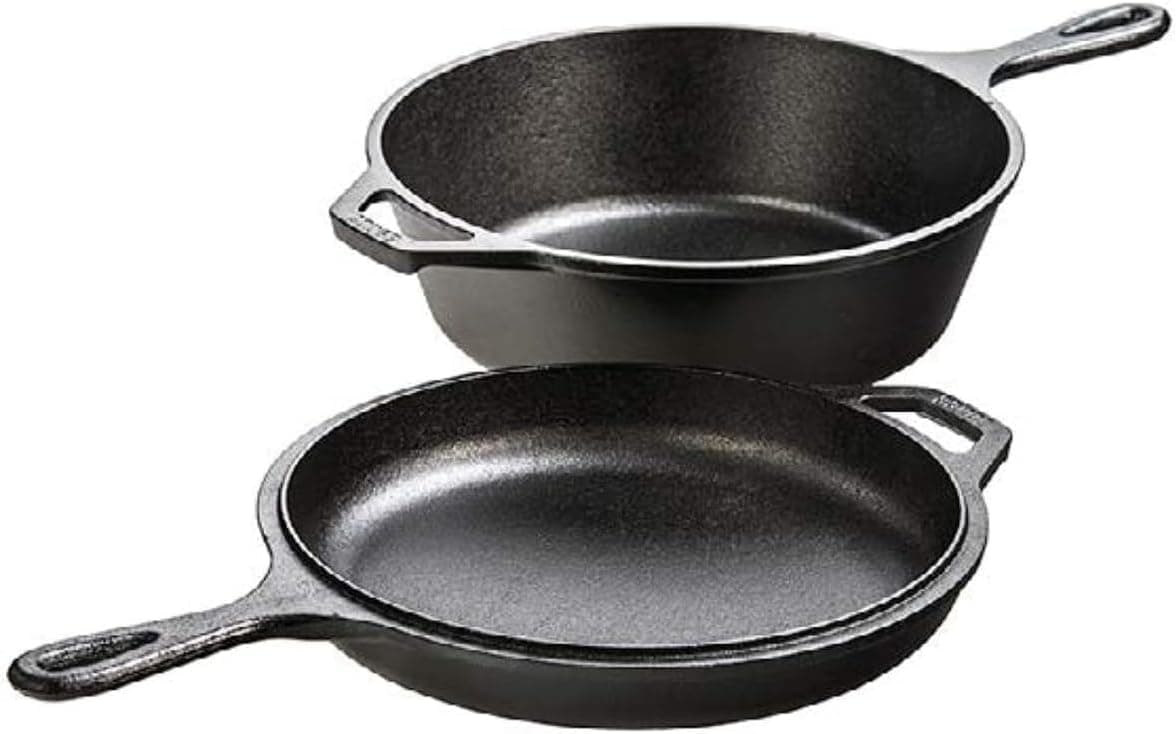
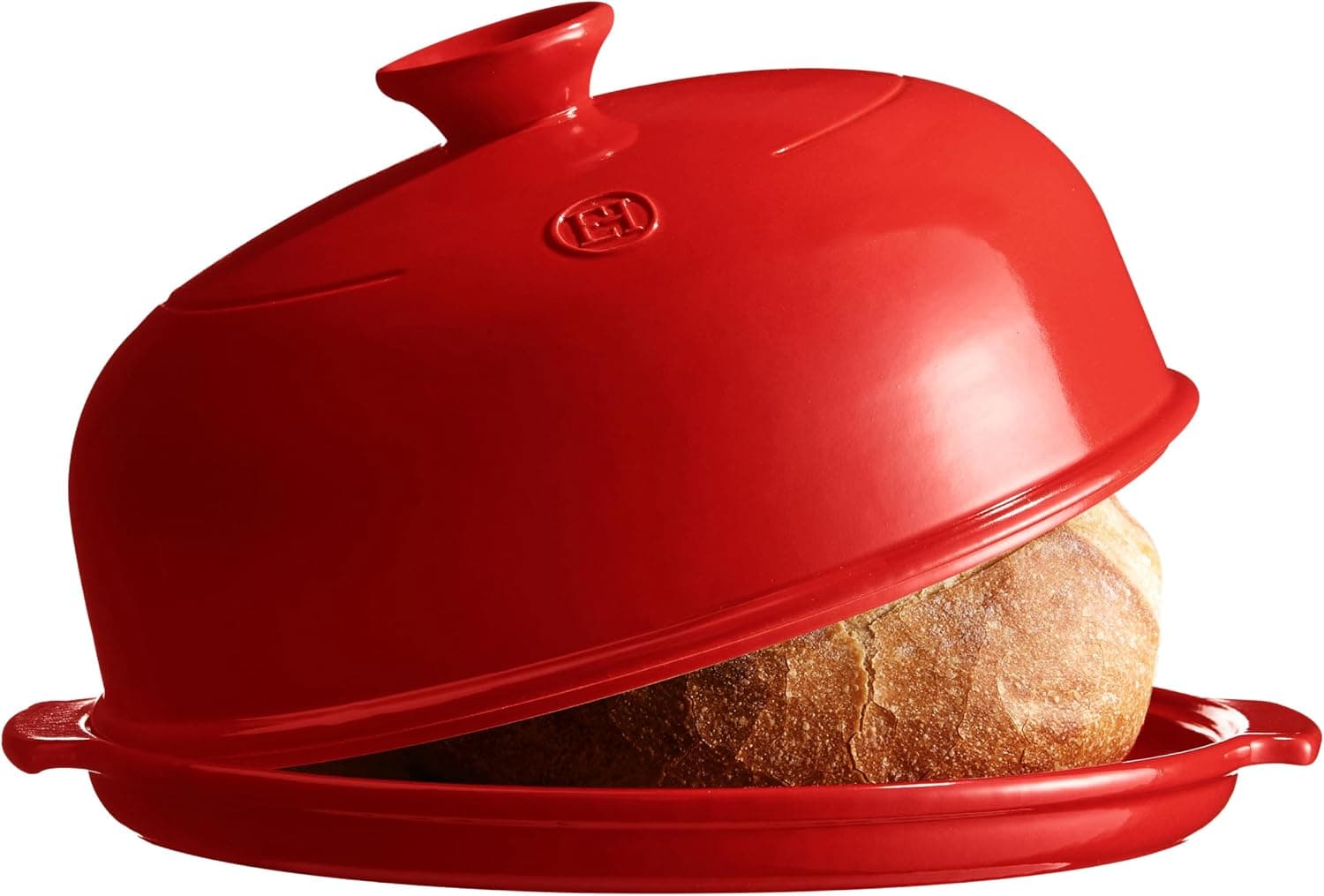
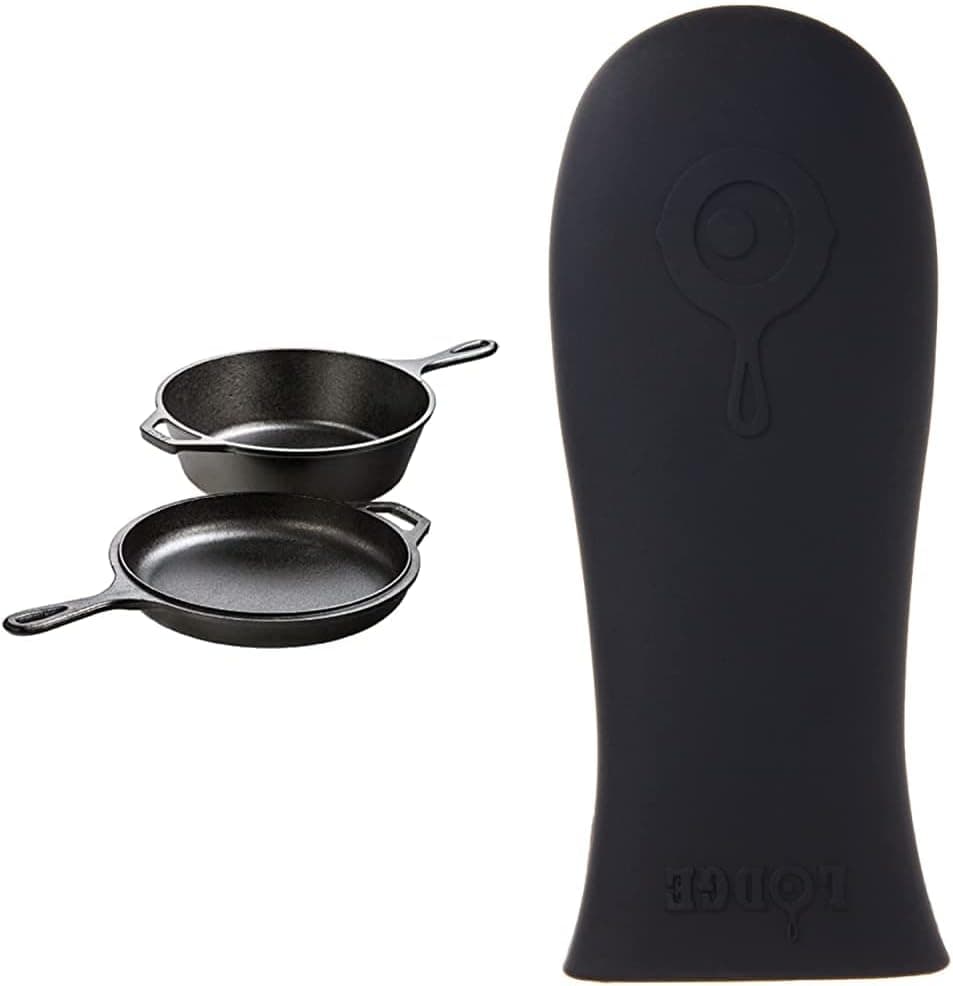
The Dutch oven is the most popular choice for good reason. It is a heavy pot with a tight fitting lid, and when you bake a loaf inside it, the lid traps the steam that the dough releases. That trapped steam keeps the crust soft during the crucial early minutes, allowing the loaf to expand fully before the crust sets. The result is reliable oven spring and a glossy, blistered crust with almost no extra effort. For most home bakers, a Dutch oven is the simplest path to consistently beautiful loaves.
A baking steel, on the other hand, is a thick slab of steel that sits on an oven rack and stores an enormous amount of heat. When you slide a loaf onto a preheated steel, it delivers an intense blast of energy from below that drives excellent oven spring and a well browned bottom crust. Steel conducts heat faster than a ceramic stone, so it recovers temperature quickly and gives loaves a strong lift. The catch is that a steel does not trap steam on its own, so you must add moisture to the oven yourself.
Ease of use often tips the decision toward the Dutch oven, especially for beginners. You simply preheat the pot, lower in your scored dough, cover it, and bake. There is no fiddling with steam pans or worrying about your loaf spreading on an open surface, since the walls of the pot contain it. The main drawbacks are the weight of a heavy hot pot and the risk of burning yourself on the lid, so good oven mitts and a careful routine matter.
The baking steel shines when you want flexibility and volume. Because it is an open surface, you can bake multiple loaves, long batards, pizzas, and free form breads that would never fit in a round pot. Bakers who make several loaves at once or who love pizza night get a lot of value from a steel. The tradeoff is that you take on the job of generating steam, usually with a pan of water, a burst of ice cubes, or a cover placed over the loaf for the first part of the bake.
For most people starting out, a Dutch oven is the easier and more forgiving choice, and it will carry you a long way. As your skills grow and you want to bake bigger batches, longer shapes, or pizza, a baking steel becomes a wonderful addition. Neither one is strictly better. They are simply different tools, and many experienced bakers keep both so they can reach for whichever suits the loaf they have in mind.
Popular right now
- Banneton vs Bowl ProofingArticle
- Best Baking Stones for BreadBuying guide
- The 6 Best Silicone Baking Mats for Bread and Sourdough (2026)Buying guide
- Why Your Sourdough Dough Is Too Sticky to ShapeArticle
- The 7 Best Flour Storage Containers for Home Bakers (2026)Buying guide
- Best Sourdough Starter JarsBuying guide
Based on the last 28 days of search and visitor data.