How to Shape a Boule
Published How we research
A boule is the classic round loaf that many people picture when they think of sourdough, and learning to shape one well is a genuine turning point in your baking. Good shaping is not about being fancy. It is about creating tension across the surface of the dough so the loaf holds its form and rises upward in the oven. A tight, well shaped boule springs tall and even, while a loose one spreads into a flat disc no matter how good the dough is underneath.
Products from this article
The highest-scoring picks from the buying guides this article links to. Scores are our editorial assessment, not customer ratings.
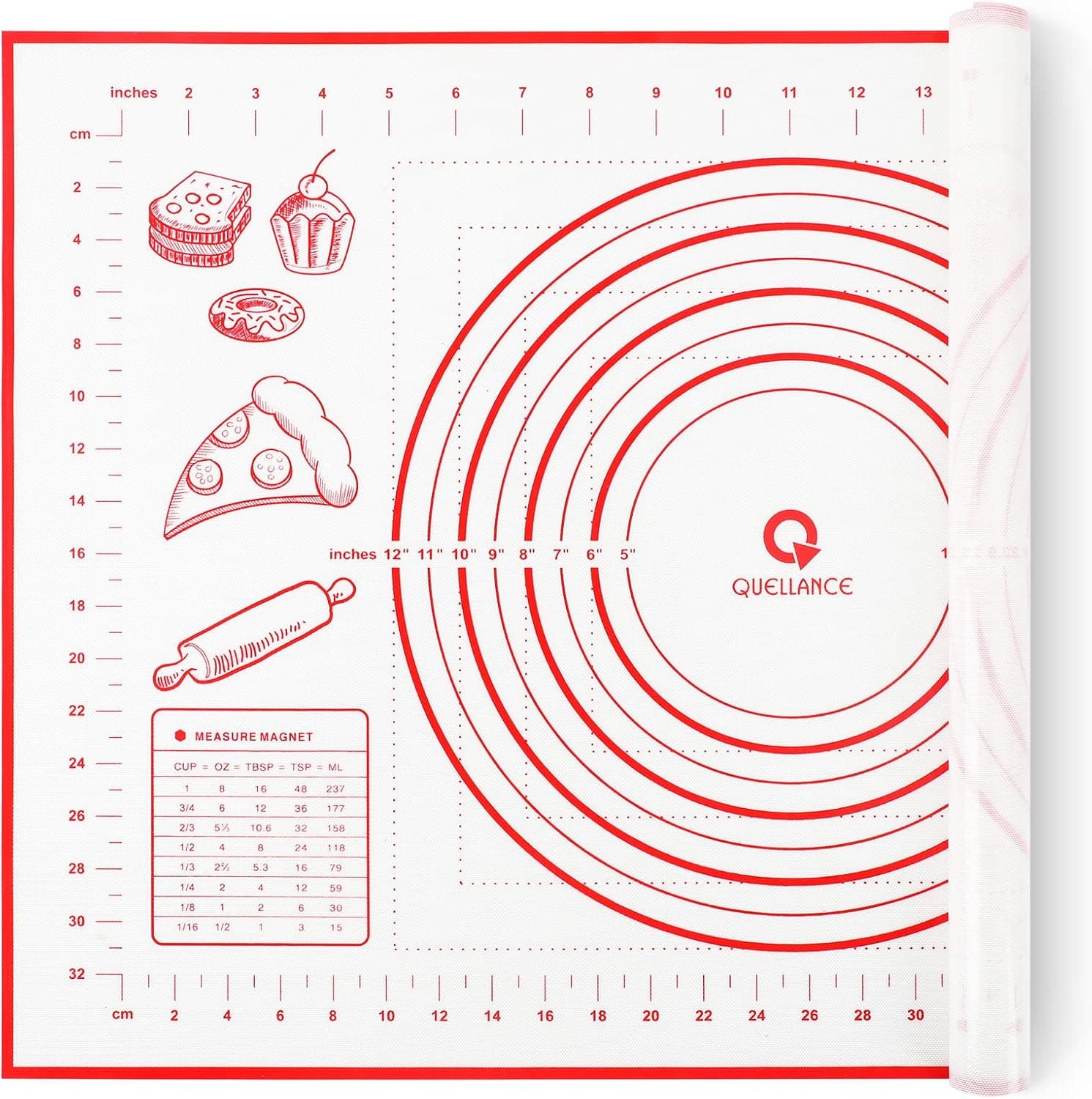
+ 16x24 Inch surface gives room to knead and pre-shape a full loaf
From our guide: Best Dough Shaping Mats
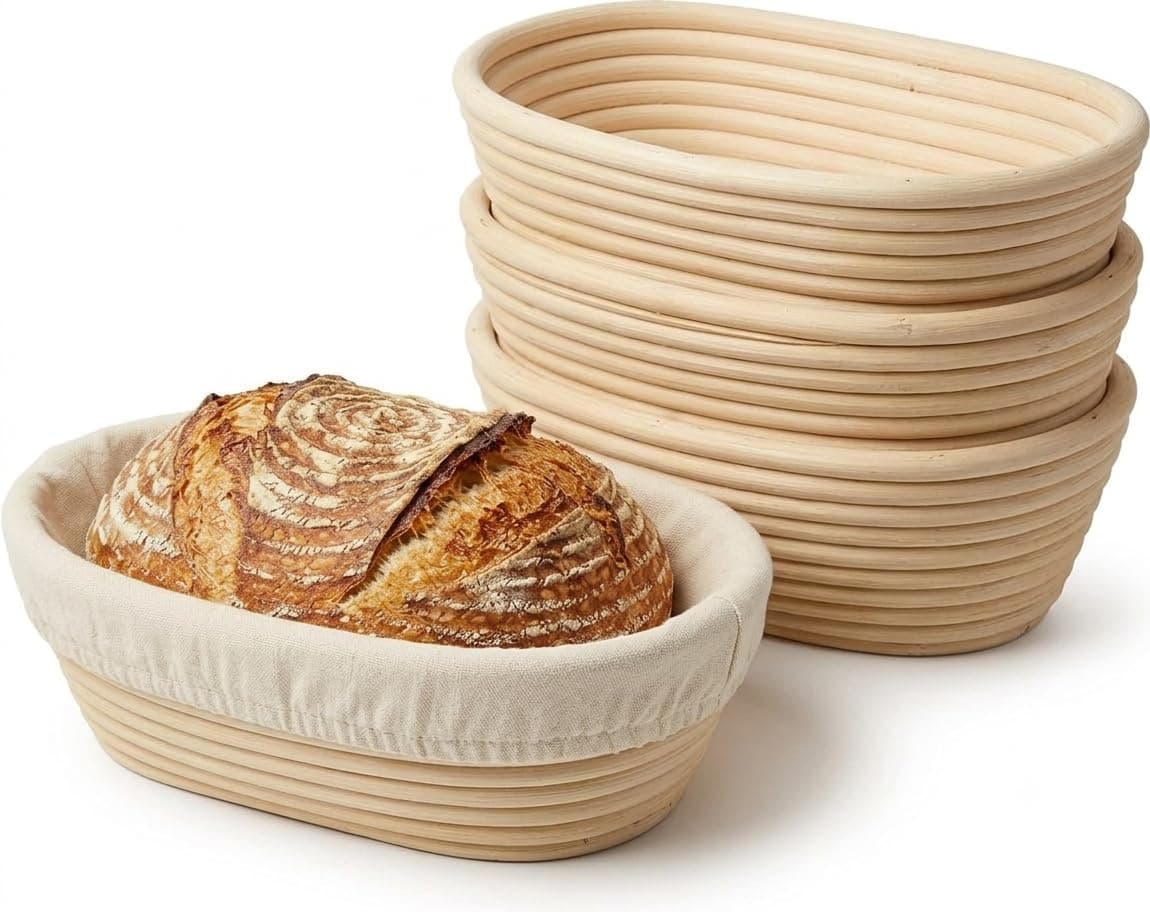
+ 4 Pack lets you proof several batards at once for big bake days
From our guide: Best Oval Proofing Baskets
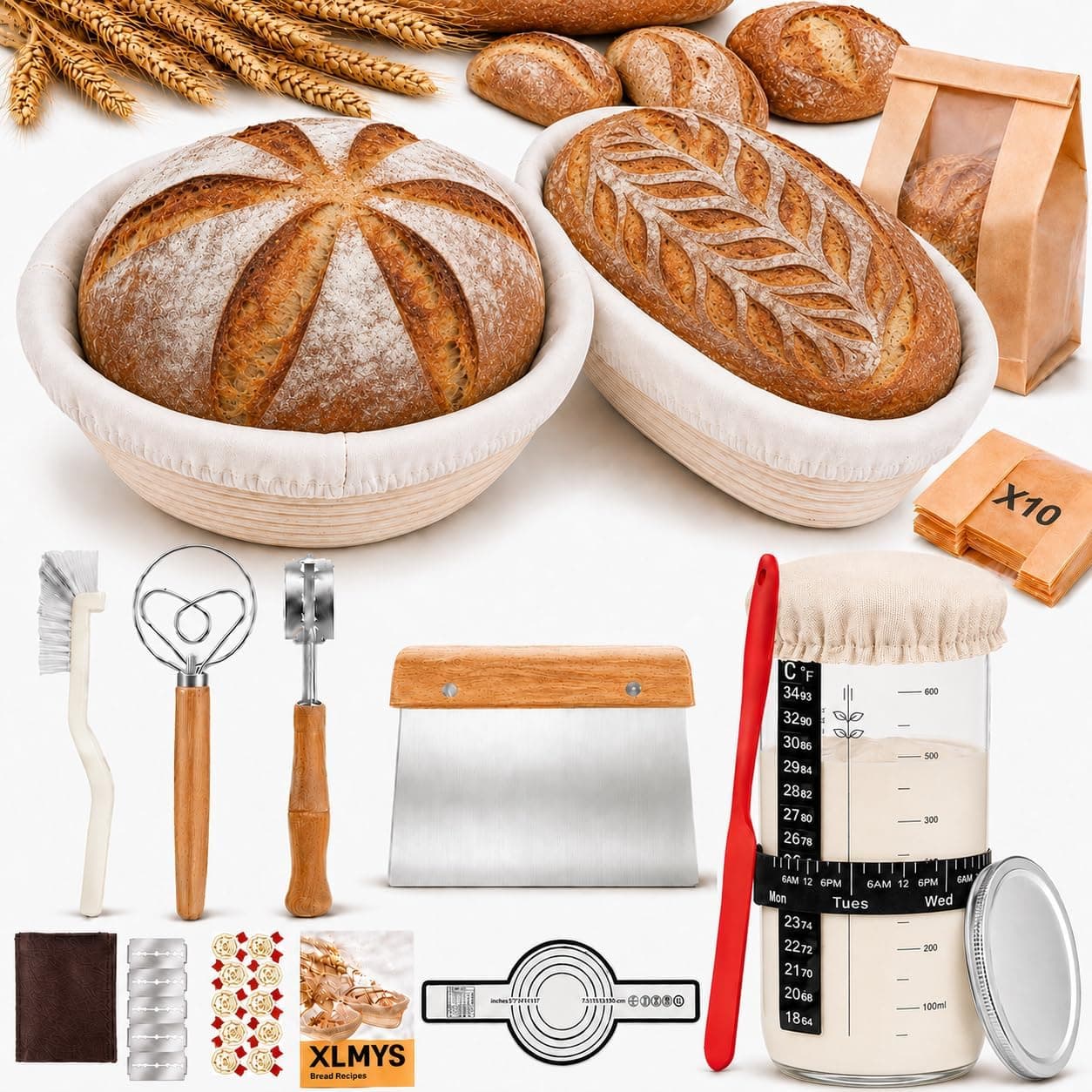
+ Starter jar is included, so beginners can build a culture and bake with one kit
From our guide: Best Sourdough Starter Kits
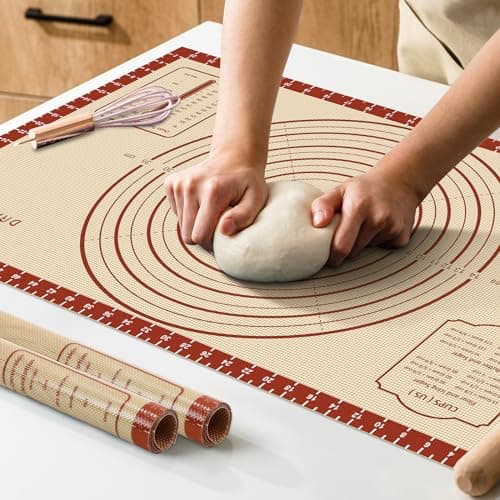
+ At 0.7 mm and with fiberglass reinforcement, it is described as nearly twice as thick as common mats.
From our guide: Best Dough Shaping Mats
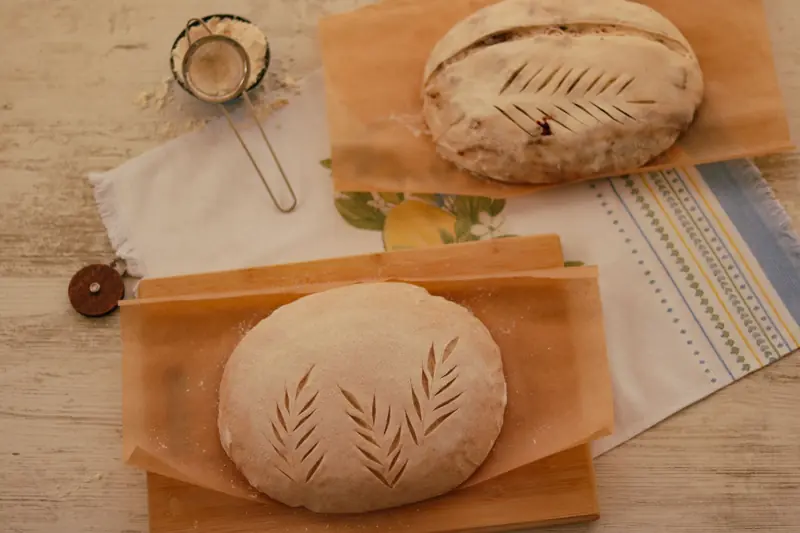
Before the final shape, most bakers do a preshape. After bulk fermentation, gently turn the dough out onto a lightly floured counter and, using a bench scraper, coax it into a loose round. You are not trying to build full tension yet. You are simply organizing the dough into a rough ball and giving it a uniform starting point. Let the preshaped dough rest uncovered for twenty to thirty minutes so the gluten relaxes and the next steps become easier.
This rest, called the bench rest, is more important than it seems. If you try to shape tightly right after preshaping, the dough will fight you and tear because the gluten is too tight. After resting, the dough becomes relaxed and extensible, and you can build real tension without ripping the surface. You will know it is ready when the round has spread slightly and feels soft and pliable rather than springy and resistant.
For the final shape, flip the relaxed round so the smooth side faces down and the sticky side faces up. Fold the edges into the center like an envelope, working your way around to build a package, then flip the whole thing over so the seam is on the bottom. Now comes the key move. Cup your hands around the back of the dough and drag it gently across the counter toward you a few times. This dragging motion tightens the outer skin and creates the surface tension that gives you a beautiful rise.
Handle the dough with a light and confident touch throughout. Overworking it or adding too much flour will degas the loaf and make the crumb tight, while too little tension leaves it slack. Aim for a smooth, taut top with a neatly gathered seam underneath. If you see the surface tearing, you either skipped enough bench rest or you are being too aggressive, so ease off and let the dough relax.
Once shaped, place the boule seam side up into a floured banneton or a bowl lined with a floured towel, then proof it before baking. When you turn it out, the smooth surface will be on top and ready to score. Shaping takes practice, and your first few boules may look a little lopsided, but the motions become second nature quickly. Focus on tension and gentle handling, and your round loaves will soon rise proud and even every time.
Popular right now
- Banneton vs Bowl ProofingArticle
- Best Baking Stones for BreadBuying guide
- The 6 Best Silicone Baking Mats for Bread and Sourdough (2026)Buying guide
- Why Your Sourdough Dough Is Too Sticky to ShapeArticle
- The 7 Best Flour Storage Containers for Home Bakers (2026)Buying guide
- Best Sourdough Starter JarsBuying guide
Based on the last 28 days of search and visitor data.