Sourdough for Beginners
Published How we research
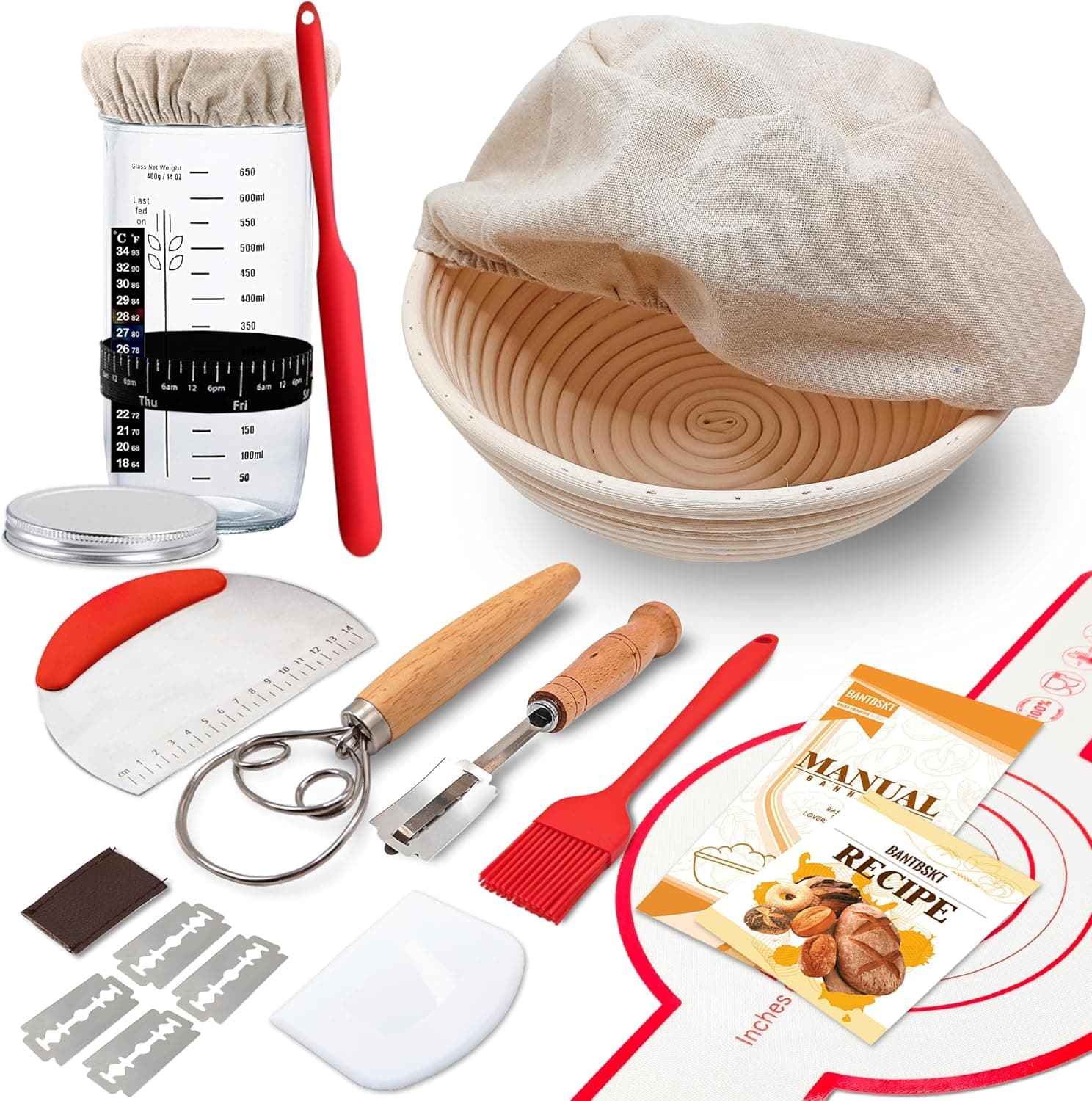
If you have ever admired a bakery loaf with its crackly crust and open, airy crumb and thought you could never make that at home, this guide is for you. Sourdough has a reputation for being difficult, but at its heart it is just flour, water, salt, and time. The learning curve is real, yet it is gentle, and most beginners bake a genuinely good loaf within their first few tries. The trick is to understand what each step is doing rather than following instructions blindly.
Products from this article
The highest-scoring picks from the buying guides this article links to. Scores are our editorial assessment, not customer ratings.
+ Starter jar is included, so beginners can build a culture and bake with one kit
From our guide: Best Sourdough Starter Kits
+ Swedish 14C28N steel is known for holding a keen edge and resisting corrosion
From our guide: Best Bread Knives
+ Food-grade Swiss spear electrode made for solid and semi-solid samples, and it can be replaced when it wears out.
From our guide: Best pH Meters For Sourdough
+ Glass starter jar lets you watch your culture bubble and rise
From our guide: Best Sourdough Starter Kits
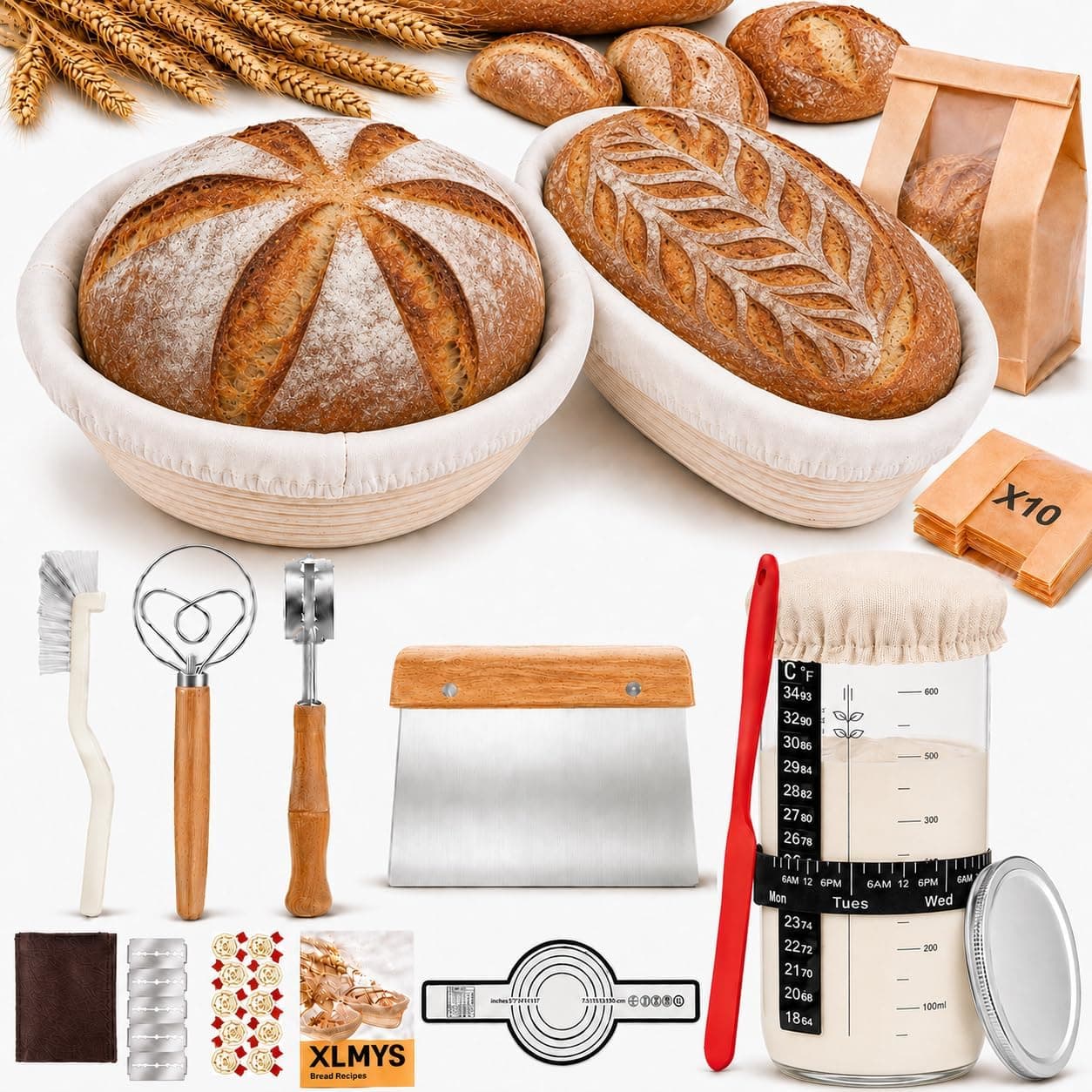


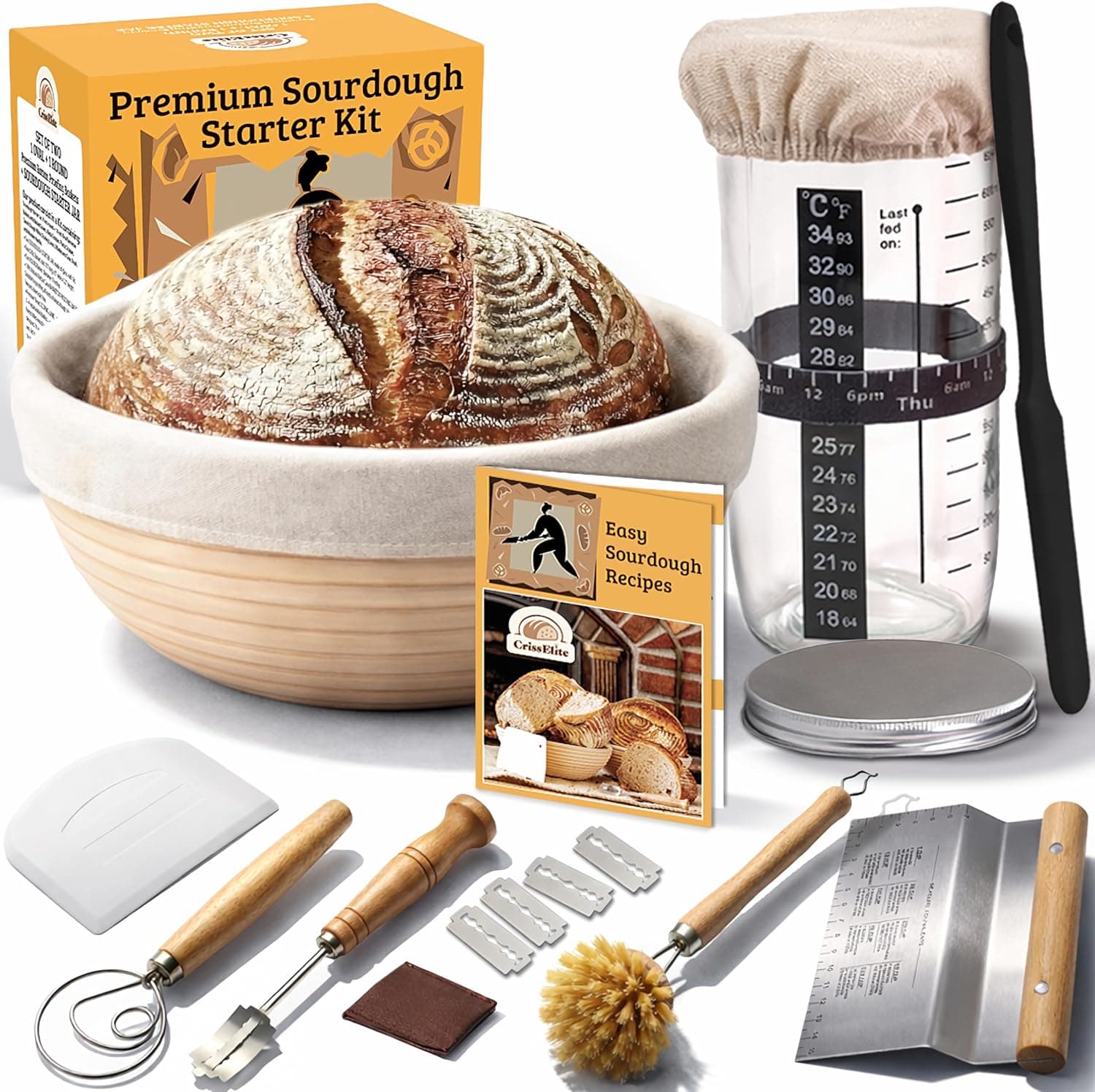

Everything starts with an active sourdough starter, which is the natural leavening that replaces commercial yeast. If you do not have one yet, you can grow your own in about a week or ask a baking friend for a spoonful of theirs. Before you mix your dough, make sure the starter is bubbly and lively, ideally at its peak a few hours after feeding. A sluggish starter is the single most common reason a first loaf turns out dense, so give this part the attention it deserves.
A basic beginner recipe uses simple ratios you can memorize. Try 500 grams of bread flour, 350 grams of water, 100 grams of active starter, and 10 grams of salt. Mix the flour and water first and let it rest for thirty minutes to an hour, a step called autolyse that helps the dough come together with less effort. Then add the starter and salt and work them in until the dough feels cohesive. A kitchen scale makes all of this far more reliable than measuring cups, and it is worth buying an inexpensive one.
Instead of intense kneading, sourdough develops strength through a series of gentle stretches and folds during the first few hours. Every thirty minutes or so, wet your hand, grab one side of the dough, stretch it up, and fold it over the center, turning the bowl as you go. You will feel the dough transform from shaggy and slack into smooth and elastic. This bulk fermentation stage, usually four to six hours at room temperature, is where flavor and rise are built, so watch the dough rather than the clock.
Once the dough has grown noticeably puffy and jiggly, shape it into a round, let it proof, and then bake it in a preheated Dutch oven. Baking covered for the first twenty minutes traps steam, which gives you that dramatic rise and glossy crust. Uncover it to finish browning, and resist the urge to slice too soon. Letting the loaf cool completely allows the crumb to set properly.
Your first loaf may not look like a magazine cover, and that is perfectly fine. Every baker has a story about their first dense brick. Keep notes, change one variable at a time, and enjoy the process. Sourdough rewards curiosity and repetition more than it rewards perfection, and before long the whole rhythm will feel like second nature.
Popular right now
- Banneton vs Bowl ProofingArticle
- Best Baking Stones for BreadBuying guide
- The 6 Best Silicone Baking Mats for Bread and Sourdough (2026)Buying guide
- Why Your Sourdough Dough Is Too Sticky to ShapeArticle
- The 7 Best Flour Storage Containers for Home Bakers (2026)Buying guide
- Best Sourdough Starter JarsBuying guide
Based on the last 28 days of search and visitor data.