Sourdough Scoring Patterns for Beginners
Published How we research
Scoring is the act of slashing the surface of a proofed loaf just before it goes into the oven, and it is far more than decoration. As bread bakes it experiences a rapid final burst of expansion called oven spring, and the dough needs somewhere to release that pressure. A deliberate score gives the loaf a controlled place to open, which prevents it from bursting randomly along the sides and lets you guide the final shape of the crust.
Products from this article
The highest-scoring picks from the buying guides this article links to. Scores are our editorial assessment, not customer ratings.
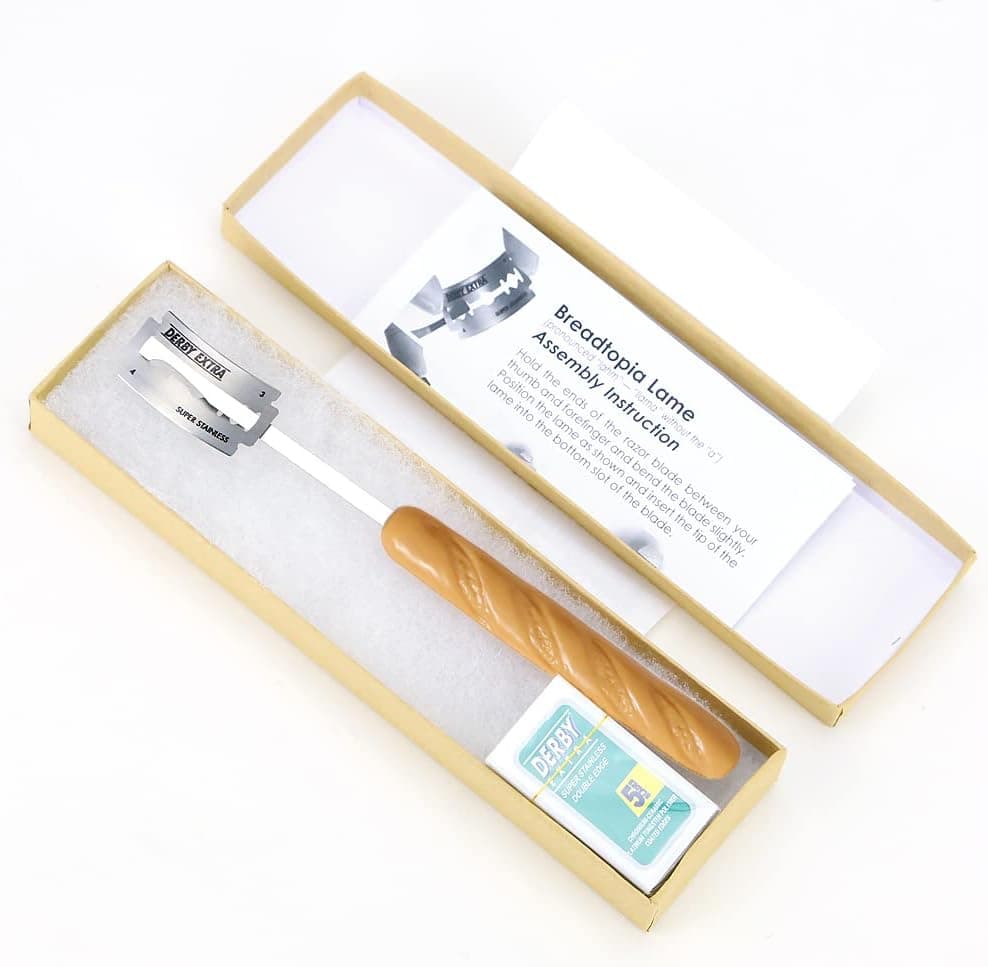
+ Stainless steel handle feels solid and wipes clean easily
From our guide: Best Bread Scoring Tools
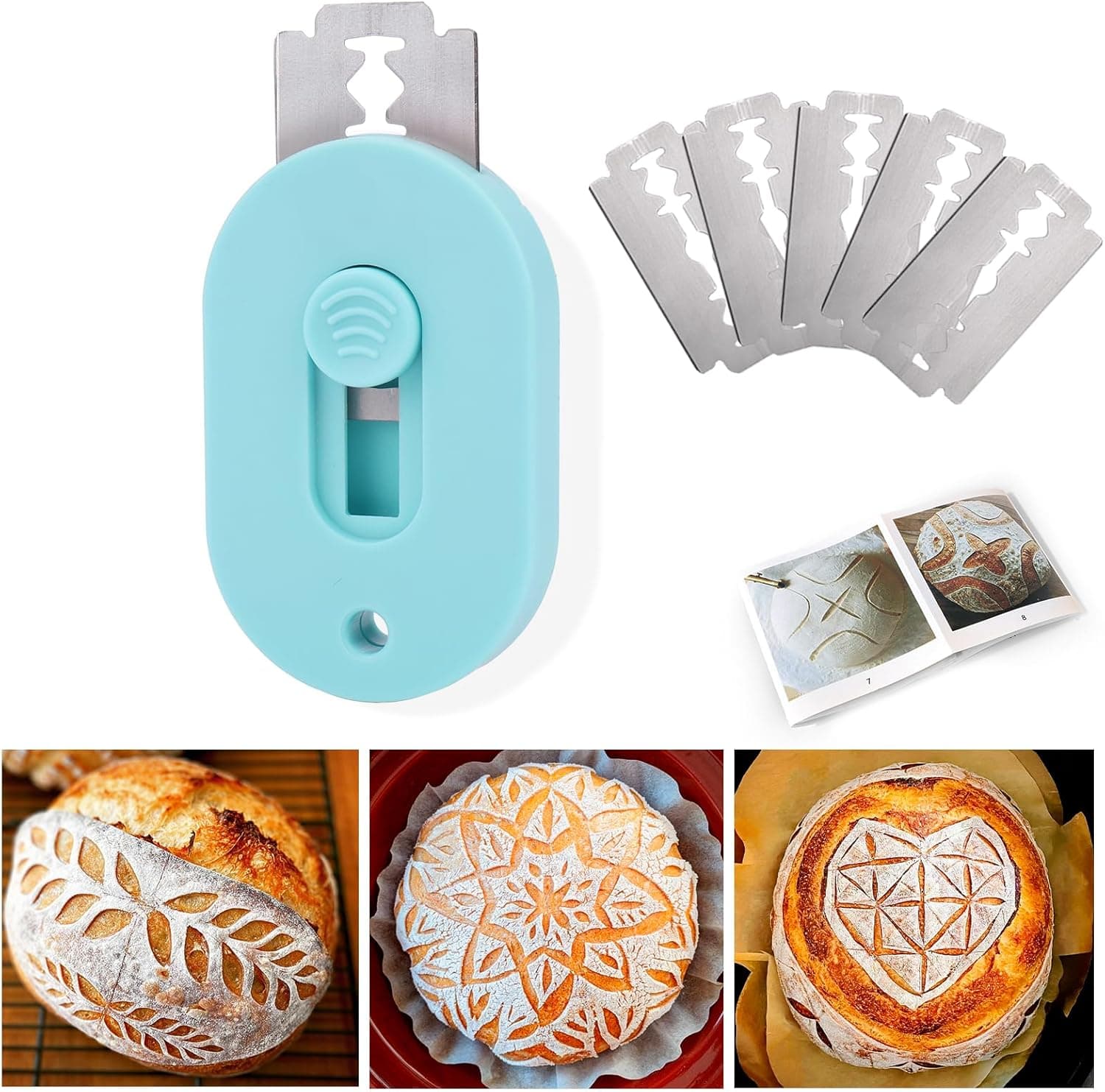
+ Extractable blade retracts into the handle for safer drawer storage
From our guide: Best Bread Lames
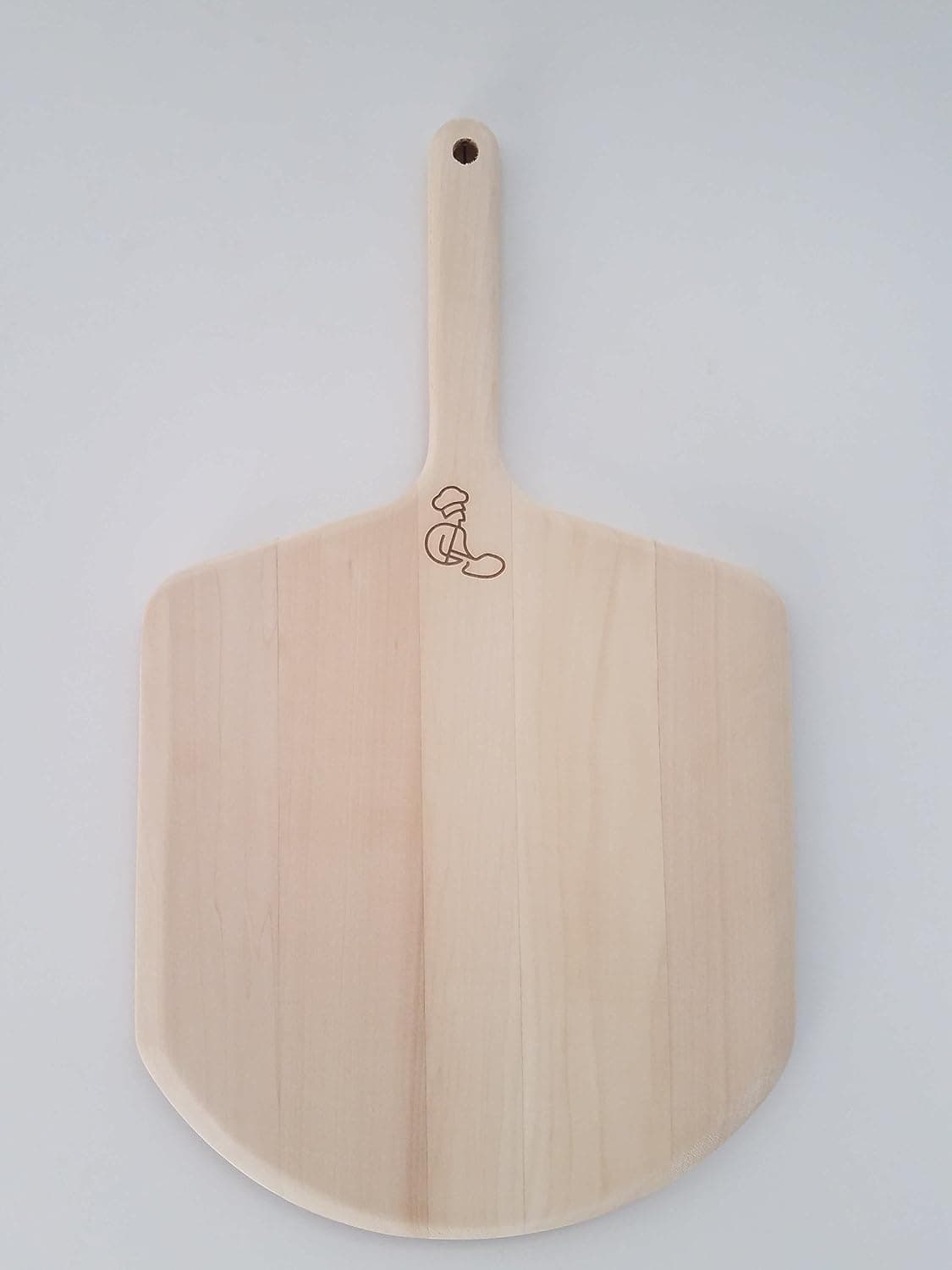
+ Board surface holds a dusting of flour so dough slides off smoothly
From our guide: The 7 Best Baker Peels for Sourdough in 2026 (Wood vs Metal)
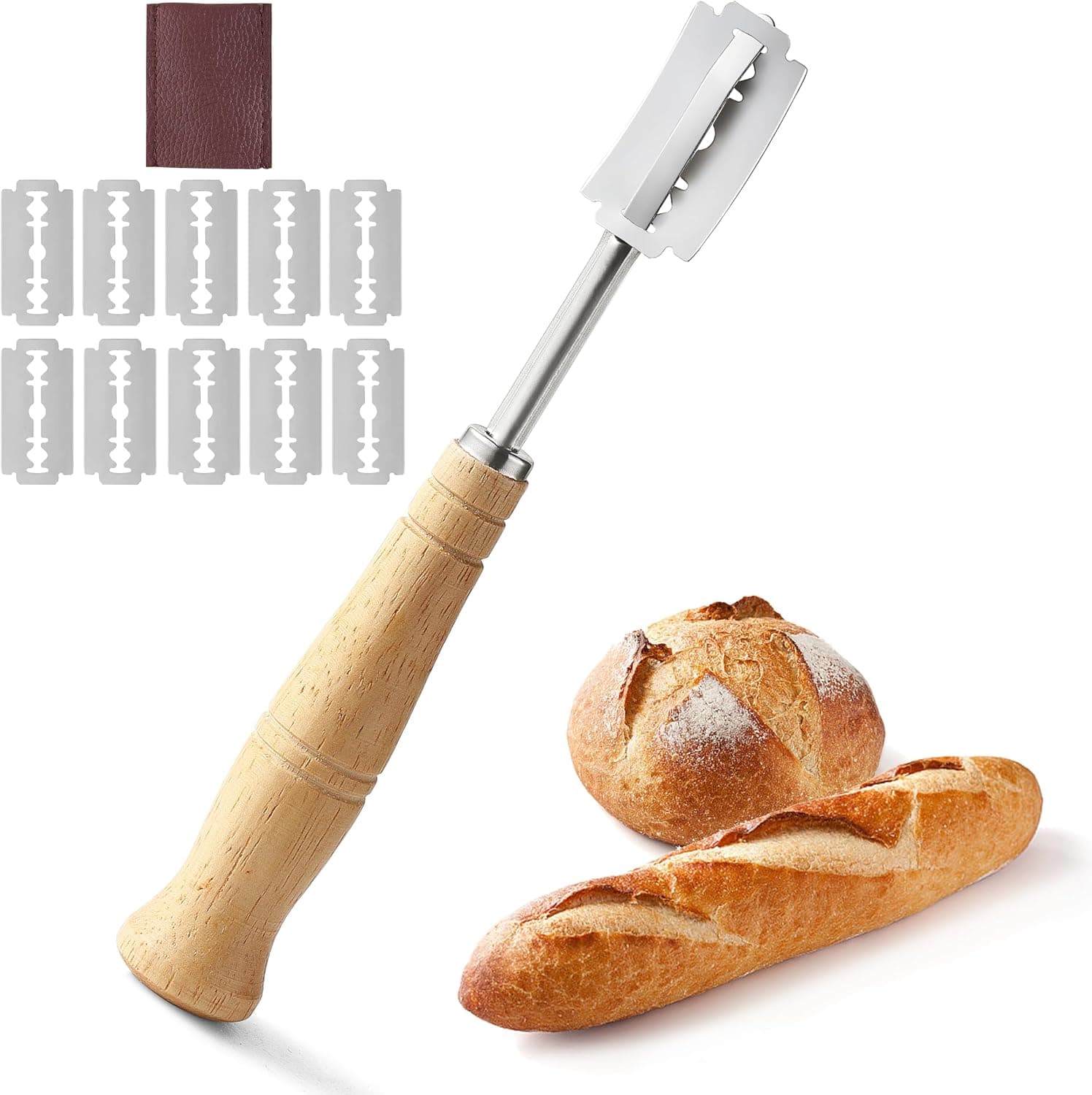
+ Finger sleeves add a layer of protection when changing sharp blades
From our guide: Best Bread Scoring Tools
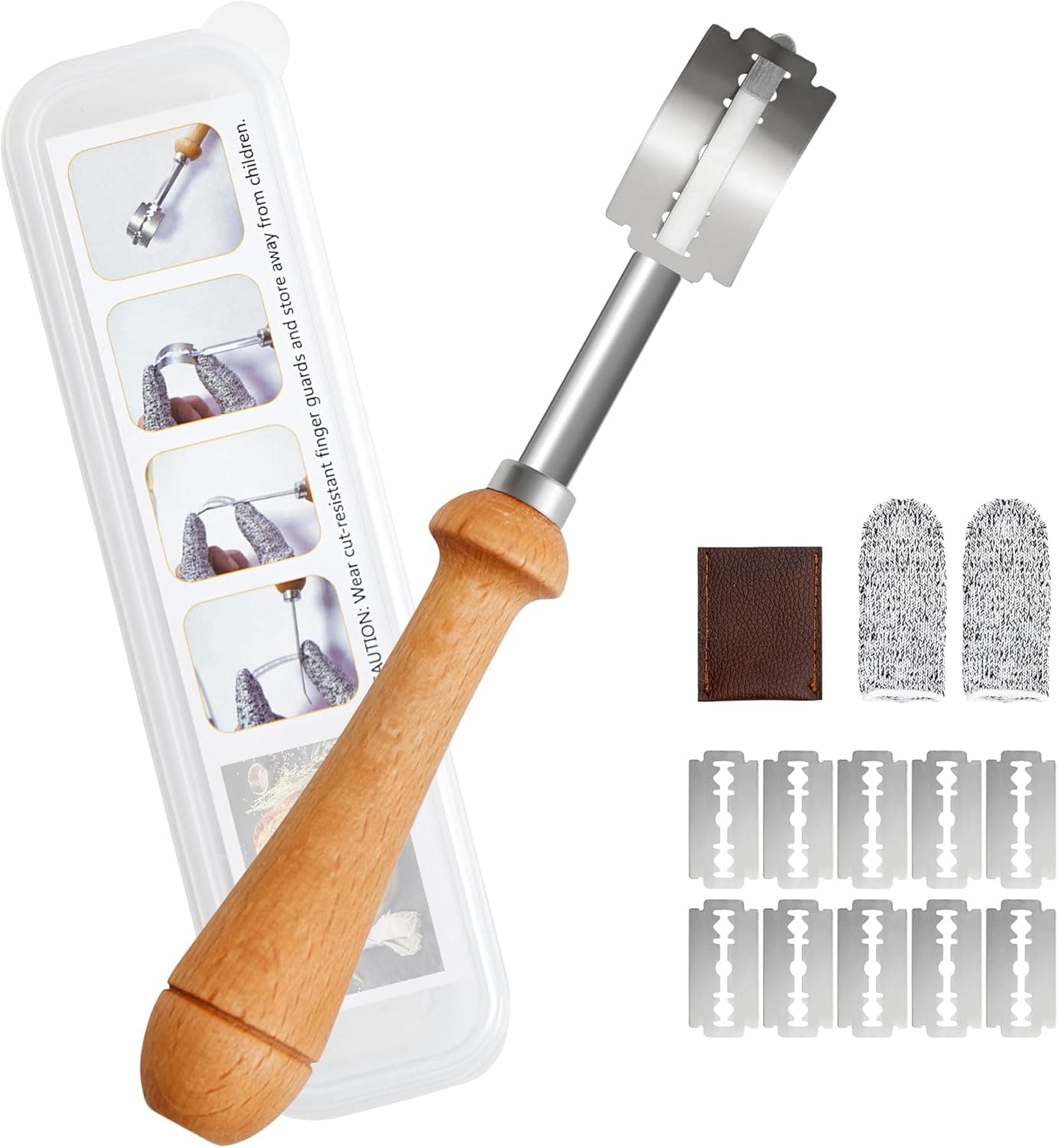
The tool of choice for most bakers is a lame, which is a thin razor blade mounted on a handle, though a very sharp paring knife or a plain razor can work in a pinch. The important qualities are that the blade is sharp enough to glide through the skin of the dough without dragging, and thin enough to make a clean incision. A dull or thick blade tears the surface and gives ragged, unpredictable results, so keep a fresh edge on hand.
Angle and depth are the two variables that shape your outcome. For a decorative surface pattern that stays shallow and pretty, hold the blade nearly perpendicular to the dough and score only a few millimeters deep. For a functional ear, that raised flap of crust bakers love, hold the blade at a shallow 30 to 45 degree angle and make one confident, slightly deeper cut. That angled cut creates a lip of dough that lifts and crisps as the loaf springs, forming the classic ear.
Beginners should start with a single long slash. On a boule, one curved cut across the top, slightly off-center, gives the loaf a clear place to bloom and produces a dramatic ear with minimal skill required. On a longer batard, a single straight or gently diagonal line down the length does the same job. Master this one confident cut before moving on to anything ornamental, because a good single score does more for your loaf than a dozen timid ones.
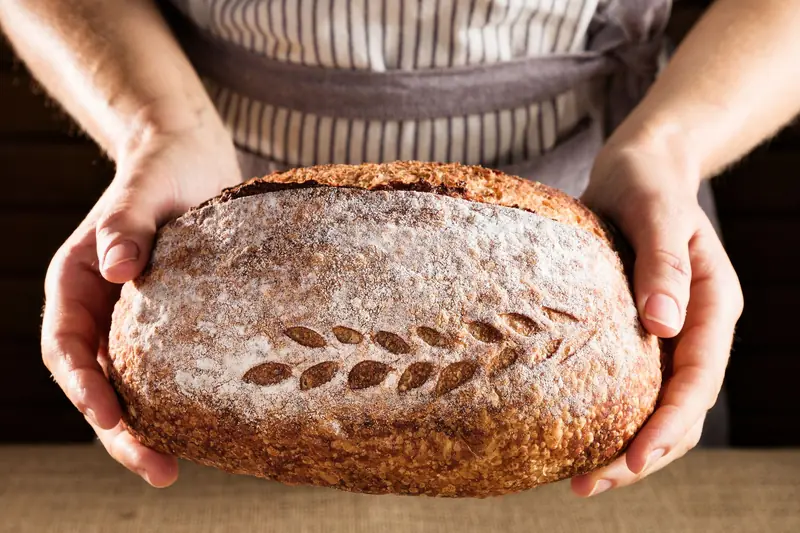
Once the basic slash feels comfortable, you can experiment with simple patterns. A cross or a square of four cuts opens the top evenly and is very forgiving. A wheat stalk pattern, made with one central line and short angled cuts branching off it, is decorative but stays shallow, so it does not compete with a functional expansion score. When combining looks and function, make one deep primary cut for oven spring and keep the decorative cuts light.
A few practical tips make scoring far easier. Cold dough straight from an overnight fridge proof is firmer and much simpler to score cleanly than warm, slack dough. A quick dusting of flour on the surface can make your cuts show up more clearly and can be brushed into patterns. Work quickly and commit to each stroke, since hesitation causes dragging. If your scores keep closing up or the loaf tears elsewhere, the dough is likely over-proofed, so revisit your fermentation before blaming your blade.
Popular right now
- Banneton vs Bowl ProofingArticle
- Best Baking Stones for BreadBuying guide
- The 6 Best Silicone Baking Mats for Bread and Sourdough (2026)Buying guide
- Why Your Sourdough Dough Is Too Sticky to ShapeArticle
- The 7 Best Flour Storage Containers for Home Bakers (2026)Buying guide
- Best Sourdough Starter JarsBuying guide
Based on the last 28 days of search and visitor data.