How to Stop Sourdough Dough Sticking to the Proofing Basket
Published How we research
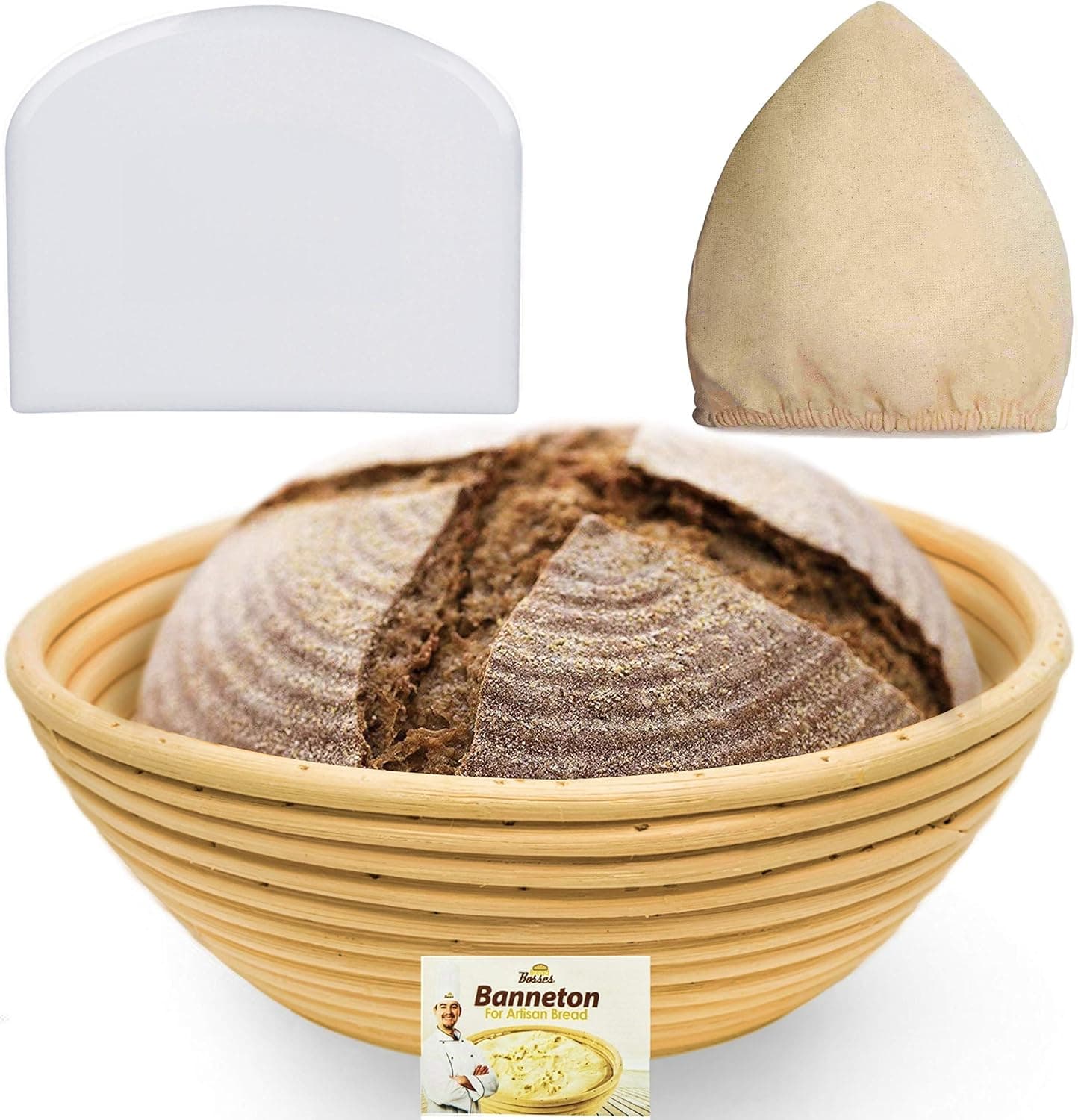
Few moments in bread baking are more disappointing than turning out a perfectly proofed loaf only to have it cling to the banneton and tear or deflate. Sticking usually comes from the wrong dusting flour, a new basket that has not been seasoned, high hydration dough or a long proof in the fridge. Each has a straightforward fix.
Use rice flour for dusting
Wheat flour absorbs moisture from the dough and turns into a glue during long proofs. Rice flour does not contain gluten-forming proteins and absorbs less water, so it stays dry and powdery between the dough and the basket.
Many bakers use a mix of rice flour and all-purpose flour, or rice flour alone for high hydration doughs. A flour shaker helps you apply an even, light layer without clumps.
Season a new banneton
New cane or wood pulp bannetons are dry and slightly rough, and dough can grab onto the fibres. Before the first use, lightly mist the basket with water, dust it heavily with rice flour and let it dry completely, then tap out the excess.
After several bakes, a thin layer of flour builds up in the grooves and release becomes easier. Do not wash bannetons with soap after every use; just tap out loose flour and let the basket dry fully.
Use a liner for wet doughs
Cloth liners or a clean linen tea towel dusted with rice flour are the most reliable option for very wet or enriched doughs. The fabric wicks some moisture from the surface and lets the dough release without sticking.
Liners do remove the classic spiral pattern from the crust. If you want the pattern, use the bare basket for lower-hydration loaves and switch to a liner when you bake wetter doughs.
Build surface tension when shaping
A tightly shaped loaf with a taut outer skin sticks far less than a slack, sticky one. During final shaping, drag the dough across an unfloured counter with a bench scraper to tighten the surface before placing it seam side up in the basket.
If the dough surface feels very wet, lightly flour the outside of the shaped loaf as well as the basket. Place the smooth side down into the banneton so the side that will be scored has the most tension.
Watch cold proof conditions
During long refrigerator proofs, condensation can form under a plastic bag or shower cap and dampen the flour. Cover the basket loosely or use a breathable cloth so moisture does not build up.
Over-proofed dough is weaker and spreads into the basket's grooves, making sticking more likely. If loaves consistently stick after a long cold proof, try shortening the proof or lowering the fridge temperature slightly.
Products from this article
The highest-scoring picks from the buying guides mentioned above. Scores are our editorial assessment, not customer ratings.
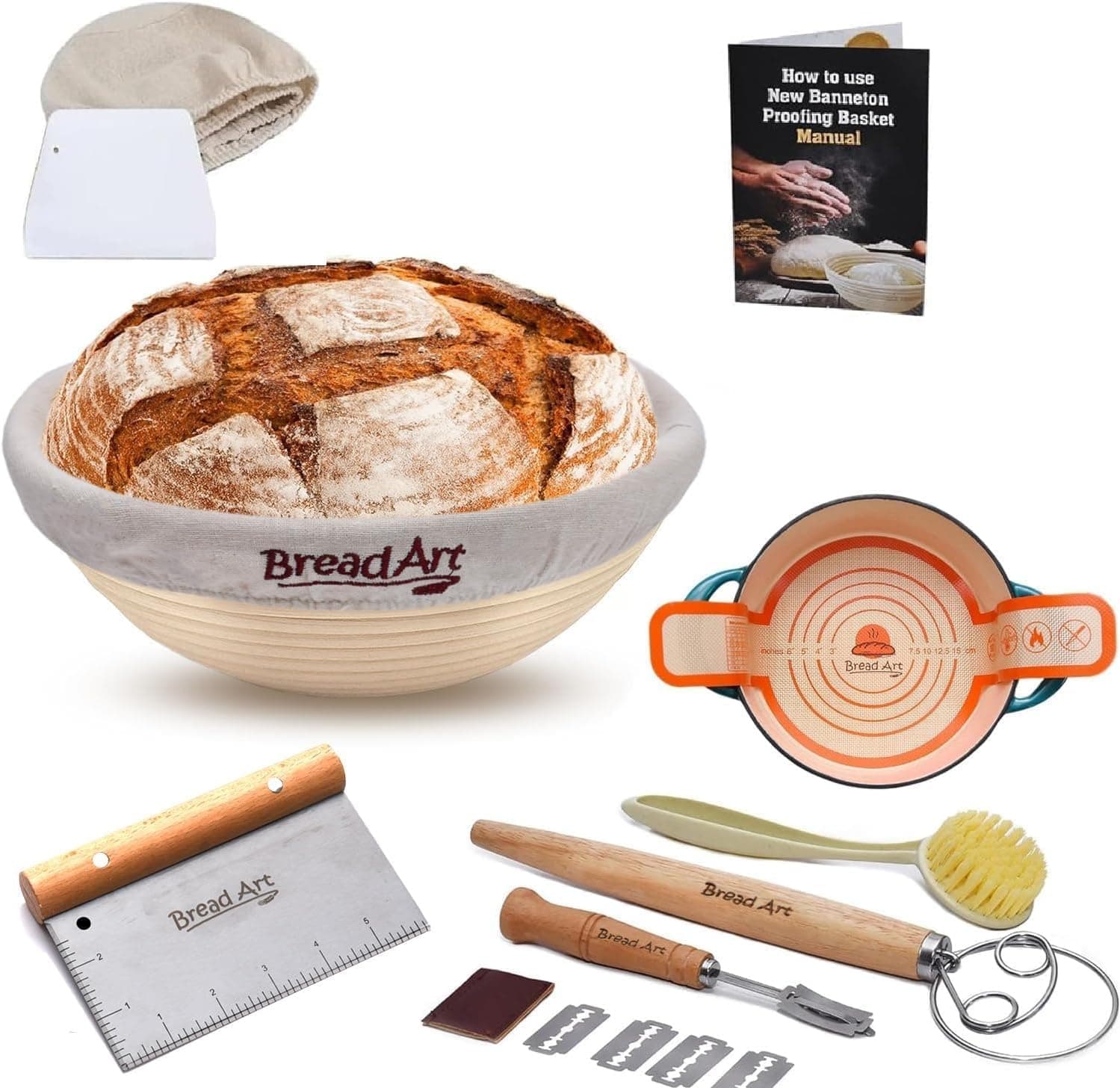
+ Silicone bread sling makes lowering dough into a hot Dutch oven safer
From our guide: Best Bannetons
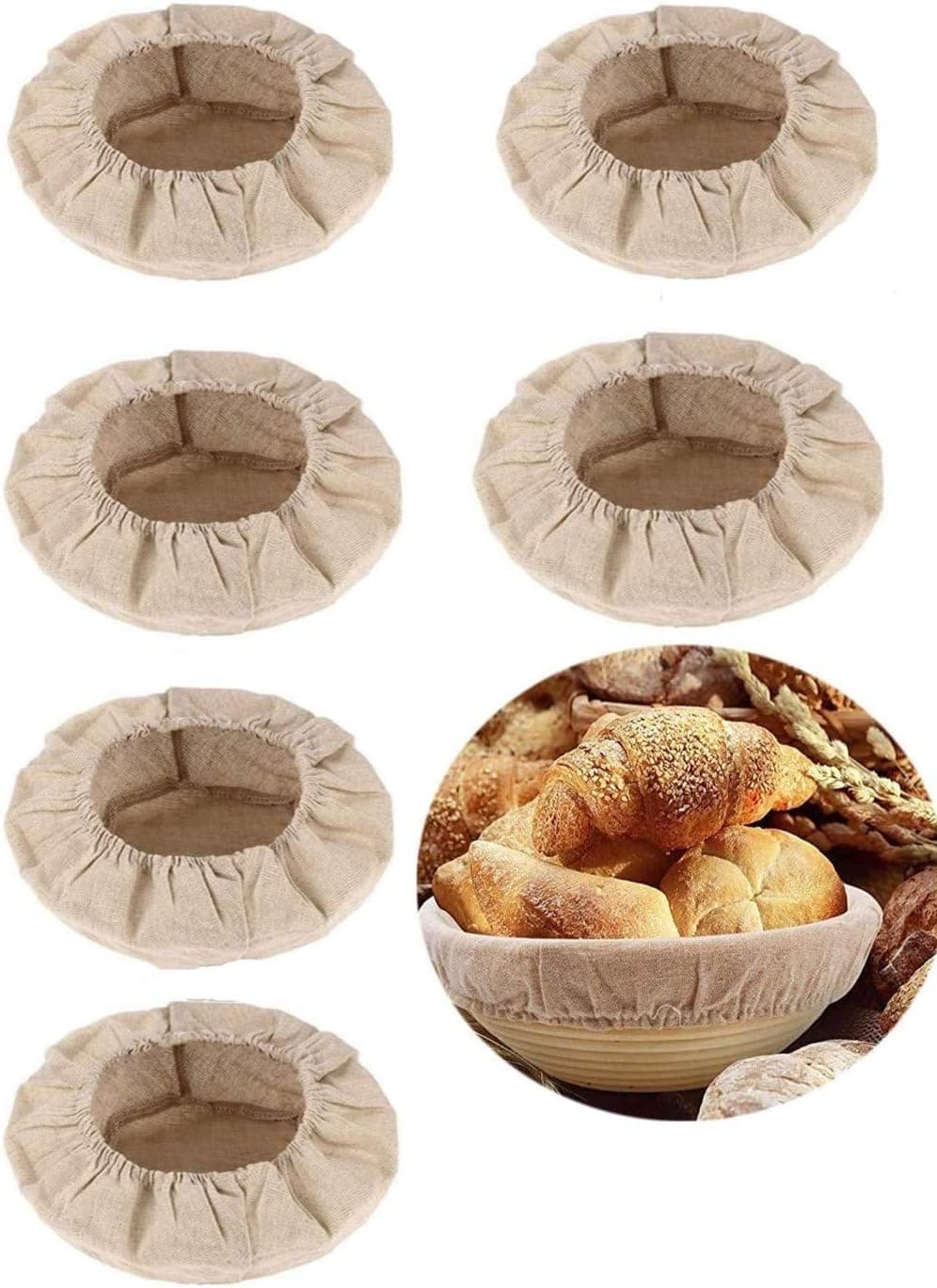
+ 6 Packs let you rotate clean liners while others are washed and dried
From our guide: Best Brotform Liners
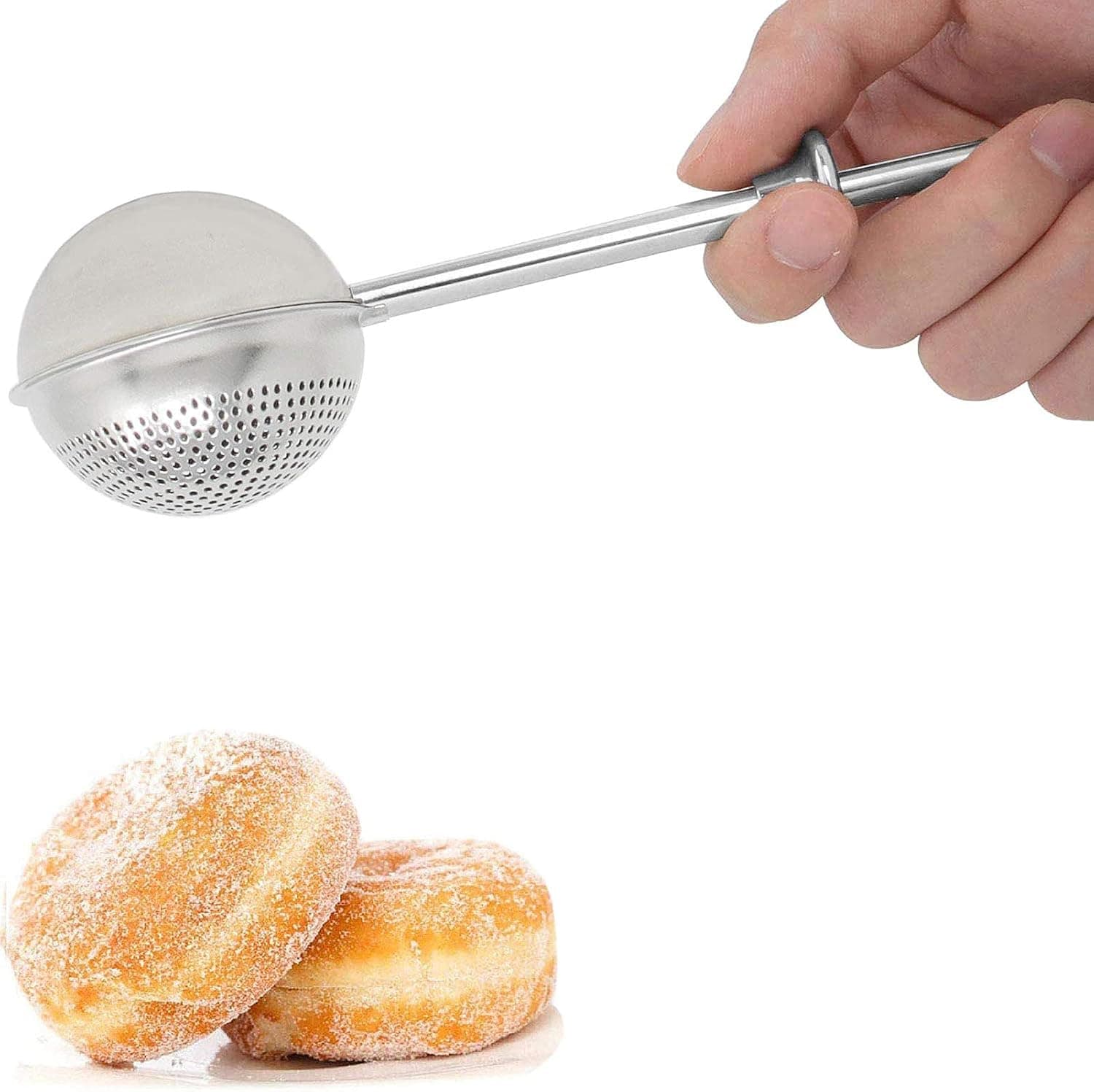
+ One-handed operation leaves your other hand free to hold dough or a basket
From our guide: The 6 Best Flour Shakers for Dusting Sourdough Loaves (2026)
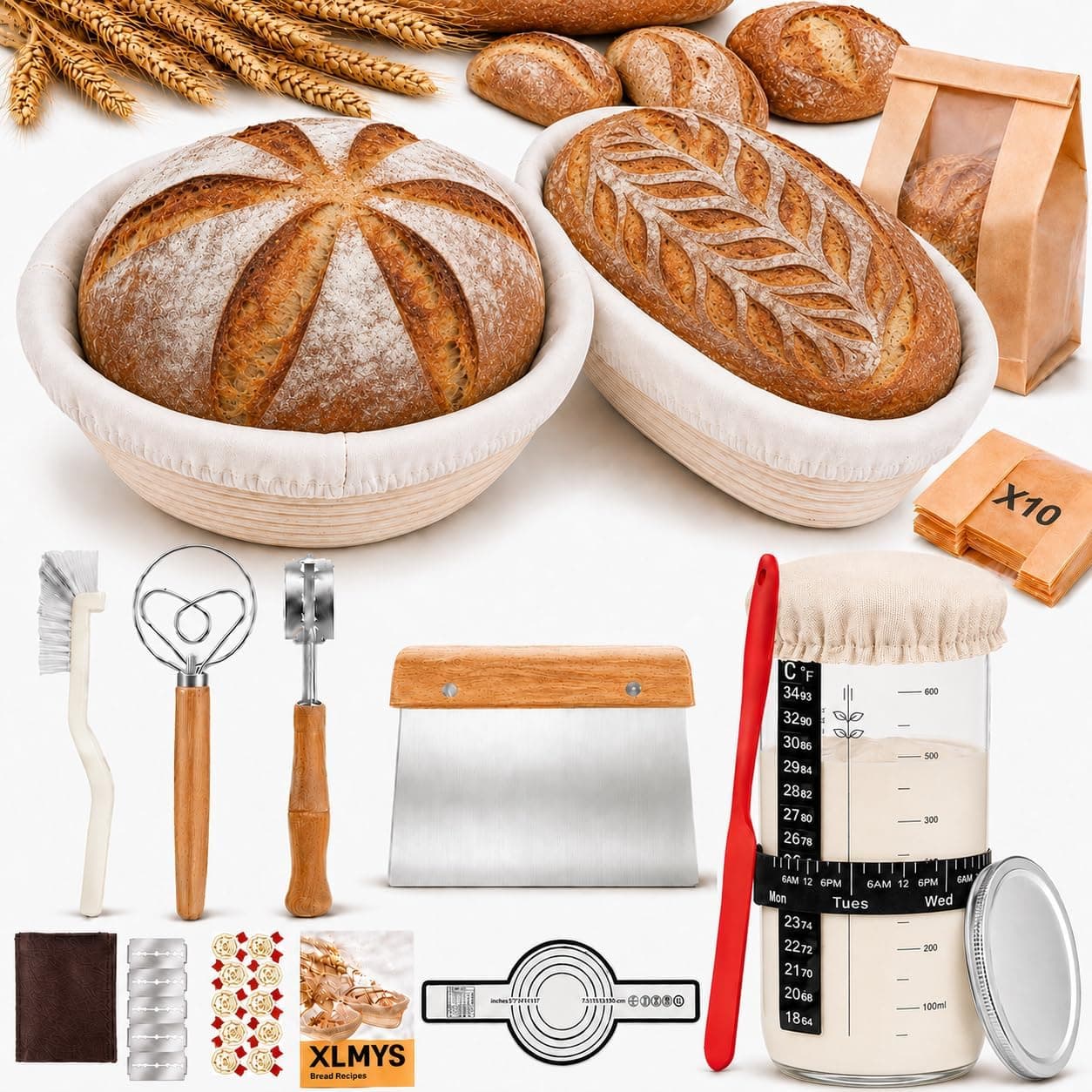
+ Starter jar is included, so beginners can build a culture and bake with one kit
From our guide: Best Bannetons
Popular right now
- Banneton vs Bowl ProofingArticle
- Sourdough Baking ScheduleArticle
- Troubleshooting Dense Sourdough BreadArticle
- Best Dough ScrapersBuying guide
- Understanding Sourdough Hydration BasicsArticle
- Best Sourdough Scoring TemplatesBuying guide
Based on the last 28 days of search and visitor data.