Best Flour for Sourdough
Published How we research
Flour is the ingredient that shapes your sourdough more than any other, and choosing the right one makes a real difference in how your loaf rises, tastes, and feels. The good news is that you do not need anything exotic to bake beautiful bread. Understanding a few basics about protein content and milling will help you pick flours with confidence and know how to combine them for the results you want.
Products from this article
The highest-scoring picks from the buying guides this article links to. Scores are our editorial assessment, not customer ratings.
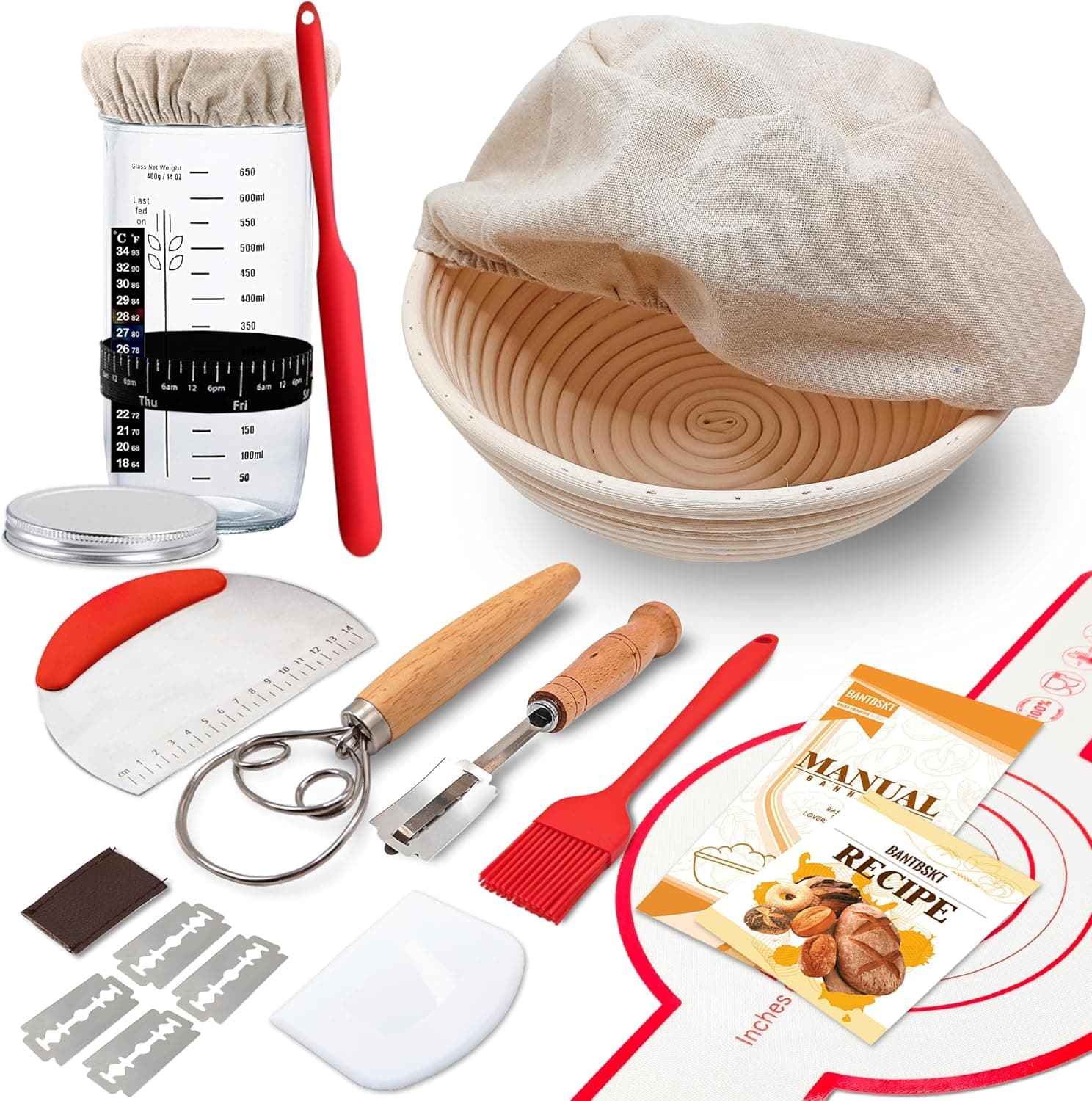
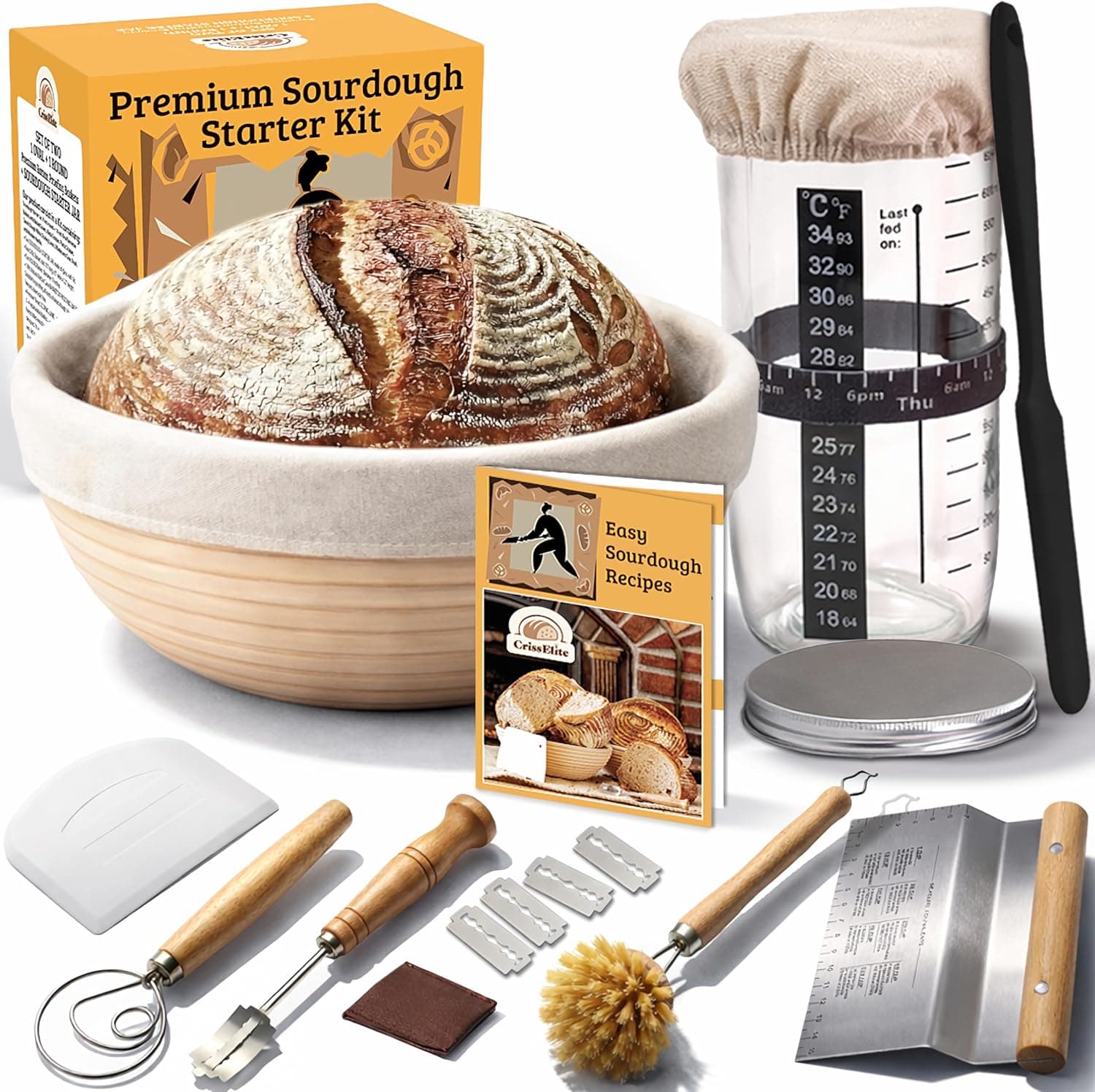
+ Starter jar is included, so beginners can build a culture and bake with one kit
From our guide: Best Sourdough Starter Kits
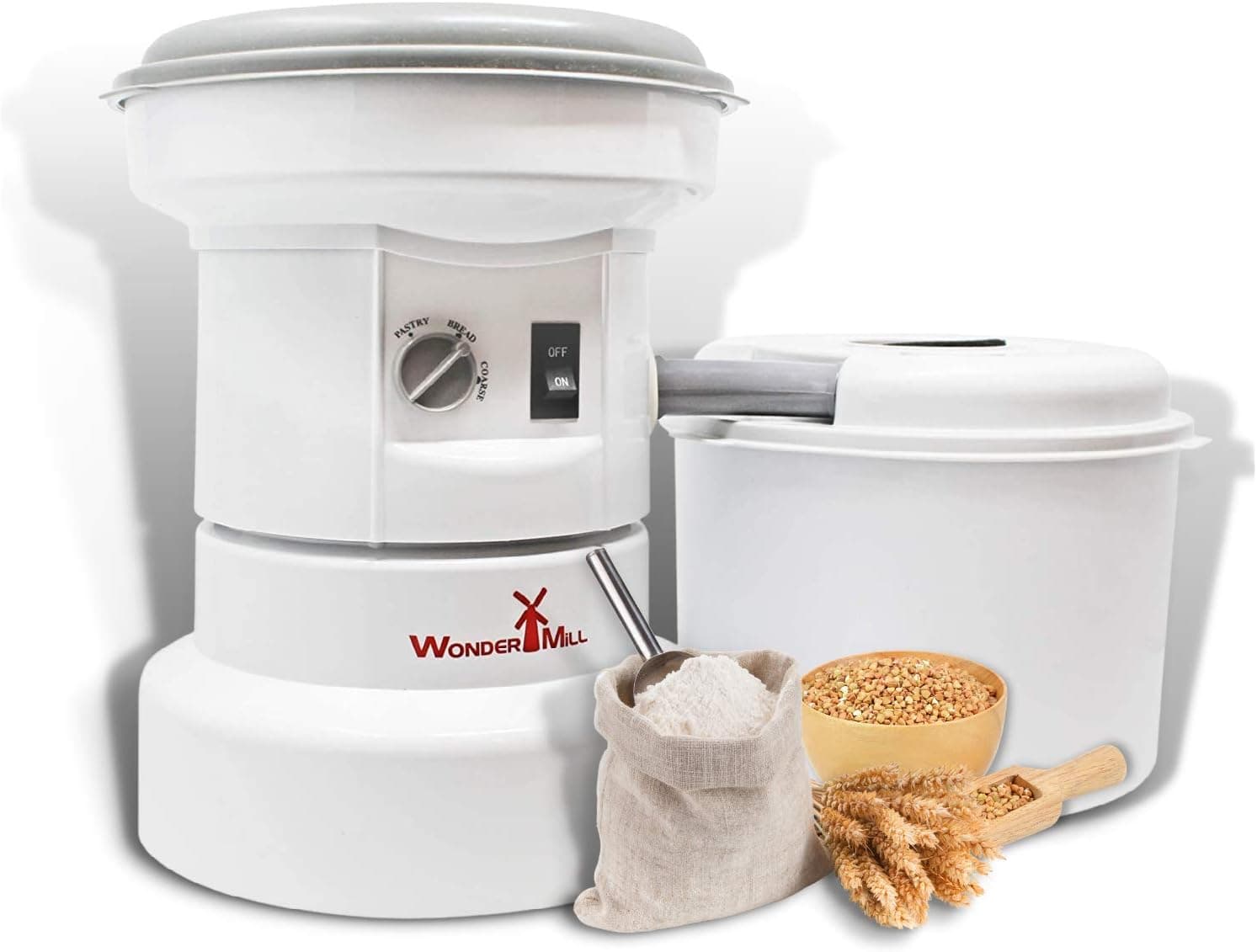
+ Mills wheat and other grains into fresh flour for sourdough
From our guide: The 7 Best Grain Mills for Fresh Flour and Sourdough (2026)
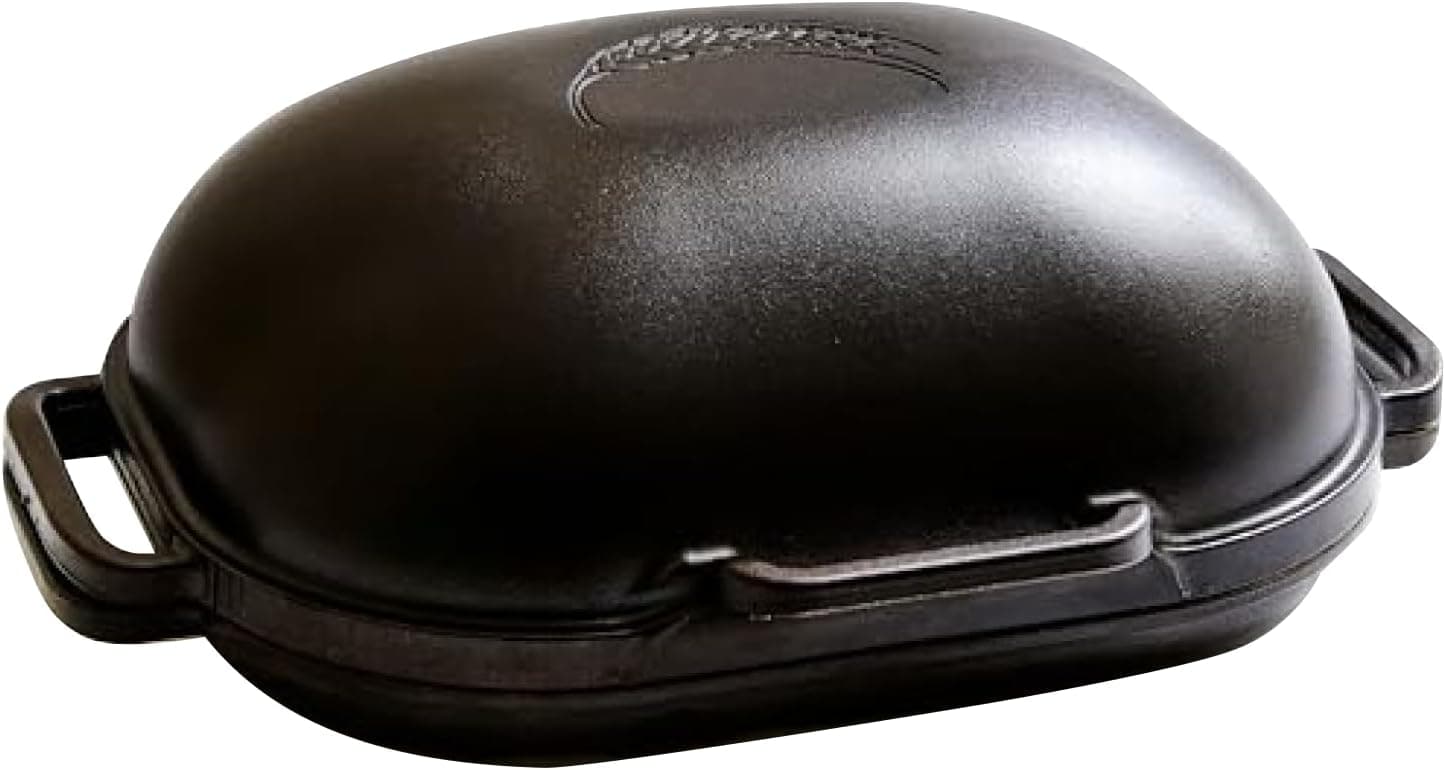
+ Low base with a tall lid makes loading dough easy and leaves room for oven spring
From our guide: Best Challenger Bread Pans
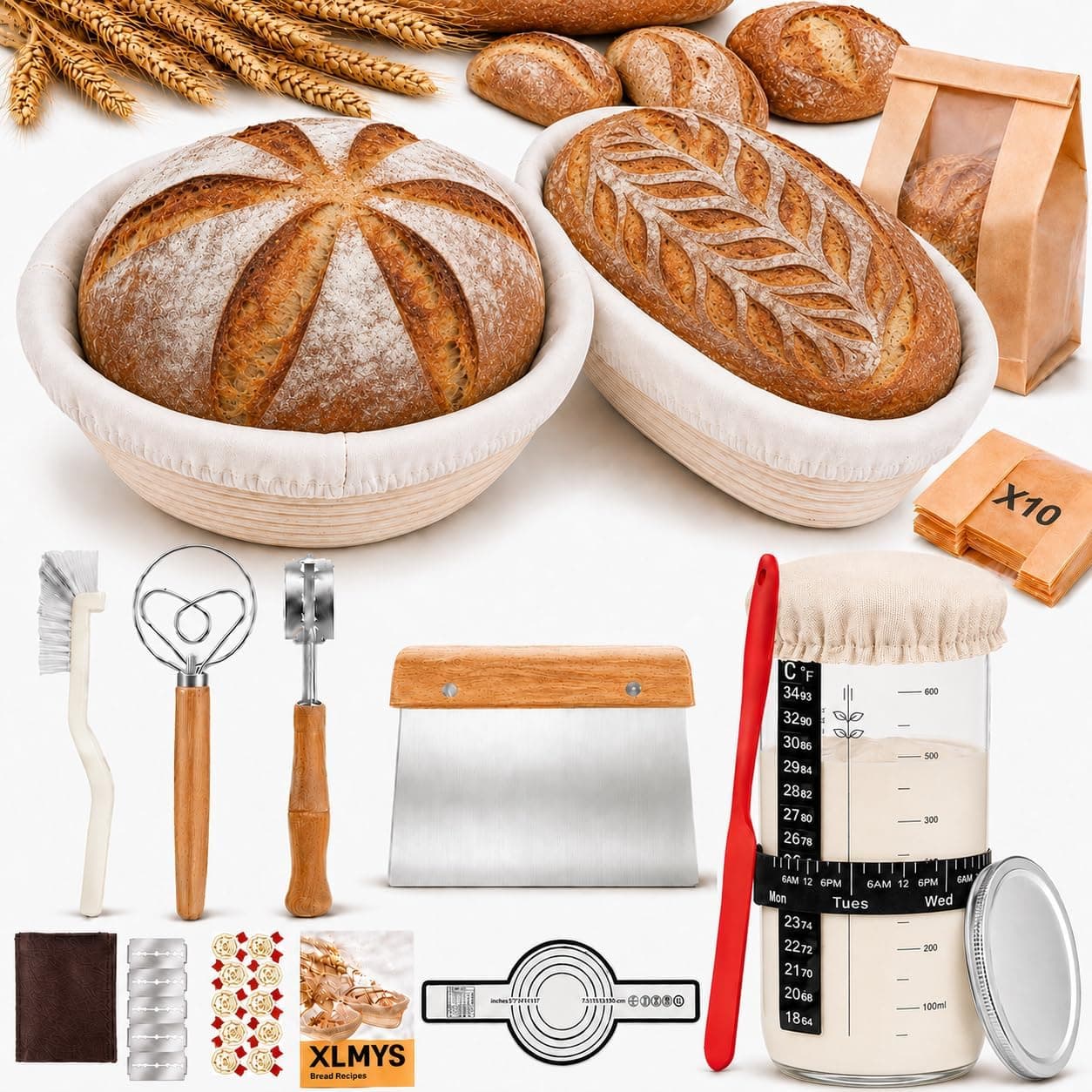
+ Glass starter jar lets you watch your culture bubble and rise
From our guide: Best Sourdough Starter Kits
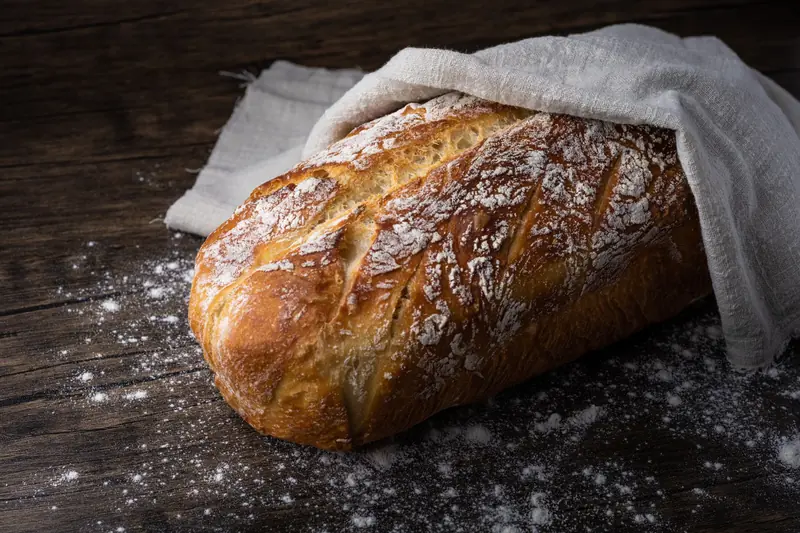
Bread flour is the workhorse of most sourdough kitchens. It has a higher protein content than all-purpose flour, typically in the range that gives dough the strength to trap gas and hold a tall, open structure. That extra protein forms more gluten, which translates into better oven spring and a chewy, satisfying crumb. If you buy just one flour for sourdough, a good unbleached bread flour is the smart choice, and national brands widely available in US grocery stores work very well.
All-purpose flour can absolutely make good sourdough, especially for softer loaves, sandwich breads, and beginners who want a more forgiving dough. Because its protein content is a bit lower, all-purpose dough tends to be slacker and may not rise quite as dramatically, but it produces a tender crumb that many people love. If your loaves come out too dense, switching from all-purpose to bread flour is often an easy fix that adds noticeable structure.
Whole grain flours like whole wheat and rye bring deep flavor and feed your starter beautifully, but they behave differently from white flour. They contain the bran and germ, which add nutrition and a nutty, earthy taste while also cutting through gluten strands and absorbing more water. This means whole grain doughs usually need more hydration and can be trickier to handle at high percentages. Many bakers use whole grain as a portion of the total flour, often ten to thirty percent, to get flavor without sacrificing rise.
Rye deserves a special mention because starters love it. A small amount of rye in a feeding often supercharges fermentation thanks to the wild yeast and enzymes it carries. In dough, rye adds a distinctive tang and moist crumb, but it has very little gluten, so all-rye loaves are dense and require different techniques. For most bakers, a spoonful of rye in the mix is a wonderful way to boost both starter activity and flavor.
When you are ready to experiment, try blending flours to build your own signature loaf. A base of bread flour with a portion of whole wheat and a touch of rye gives you strength, flavor, and great fermentation all at once. Pay attention to how each blend absorbs water and adjust your hydration accordingly. Fresh flour stored in a cool, dry place also performs better, so buy amounts you will use within a reasonable time and keep it sealed.
Popular right now
- Banneton vs Bowl ProofingArticle
- Best Baking Stones for BreadBuying guide
- The 6 Best Silicone Baking Mats for Bread and Sourdough (2026)Buying guide
- Why Your Sourdough Dough Is Too Sticky to ShapeArticle
- The 7 Best Flour Storage Containers for Home Bakers (2026)Buying guide
- Best Sourdough Starter JarsBuying guide
Based on the last 28 days of search and visitor data.