How to Feed a Sourdough Starter
Published How we research
Feeding is the simple act that keeps your sourdough starter alive, and once you understand the why behind it, the routine becomes second nature. A starter is a living community of wild yeast and bacteria that consumes the flour you give it. When that food runs out, the culture grows weak and acidic. Feeding refreshes the supply, keeps the microbes vigorous, and maintains the balance that makes your starter reliable for baking.
Products from this article
The highest-scoring picks from the buying guides this article links to. Scores are our editorial assessment, not customer ratings.
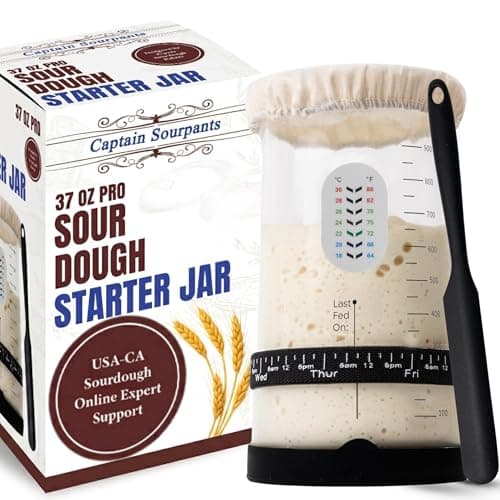
+ Silicone scraper keeps jar sides clean for accurate rise tracking
From our guide: Best Sourdough Starter Jars
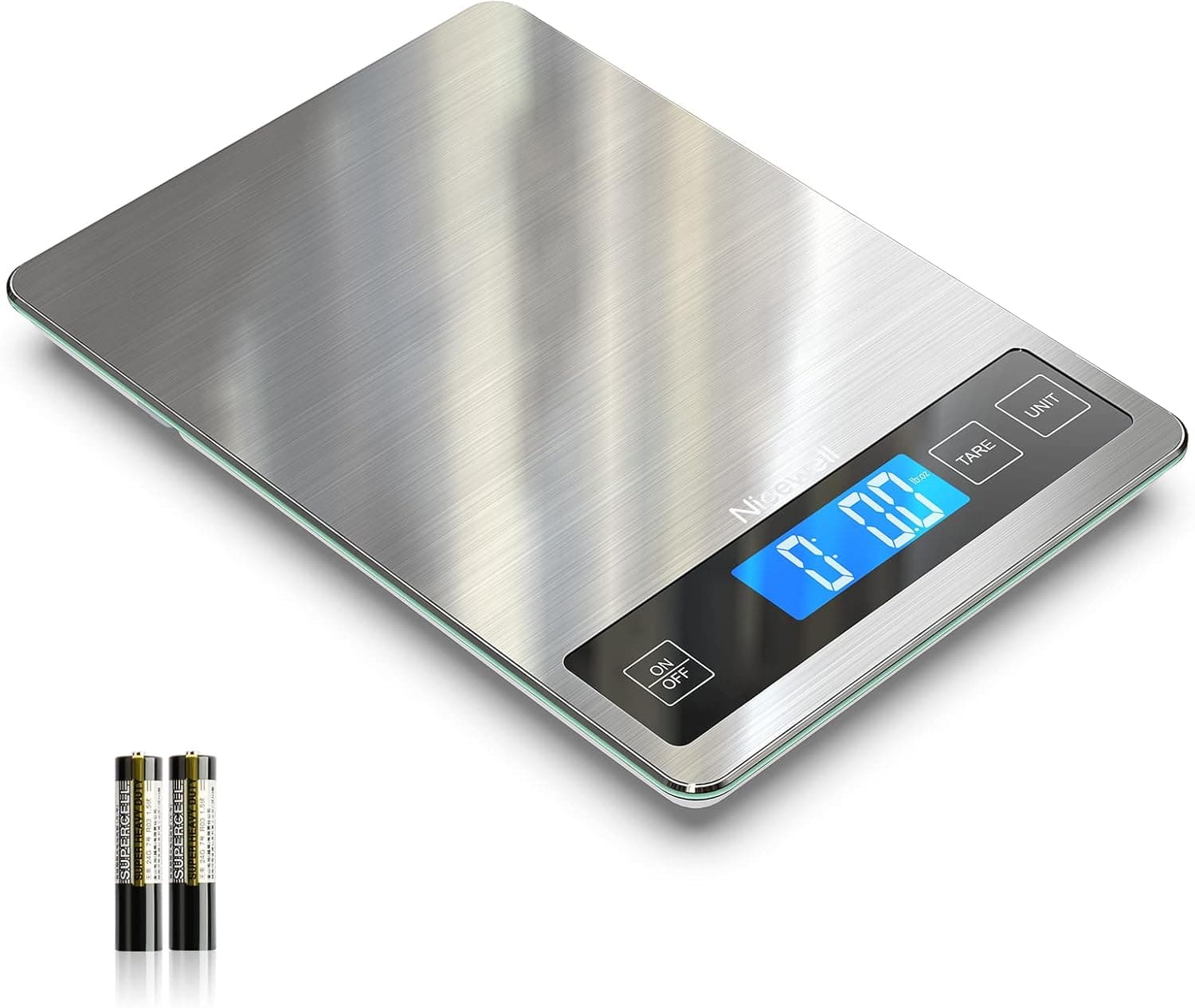
+ 22lb capacity handles heavy bowls of dough plus the bowl itself
From our guide: Best Kitchen Scales For Baking
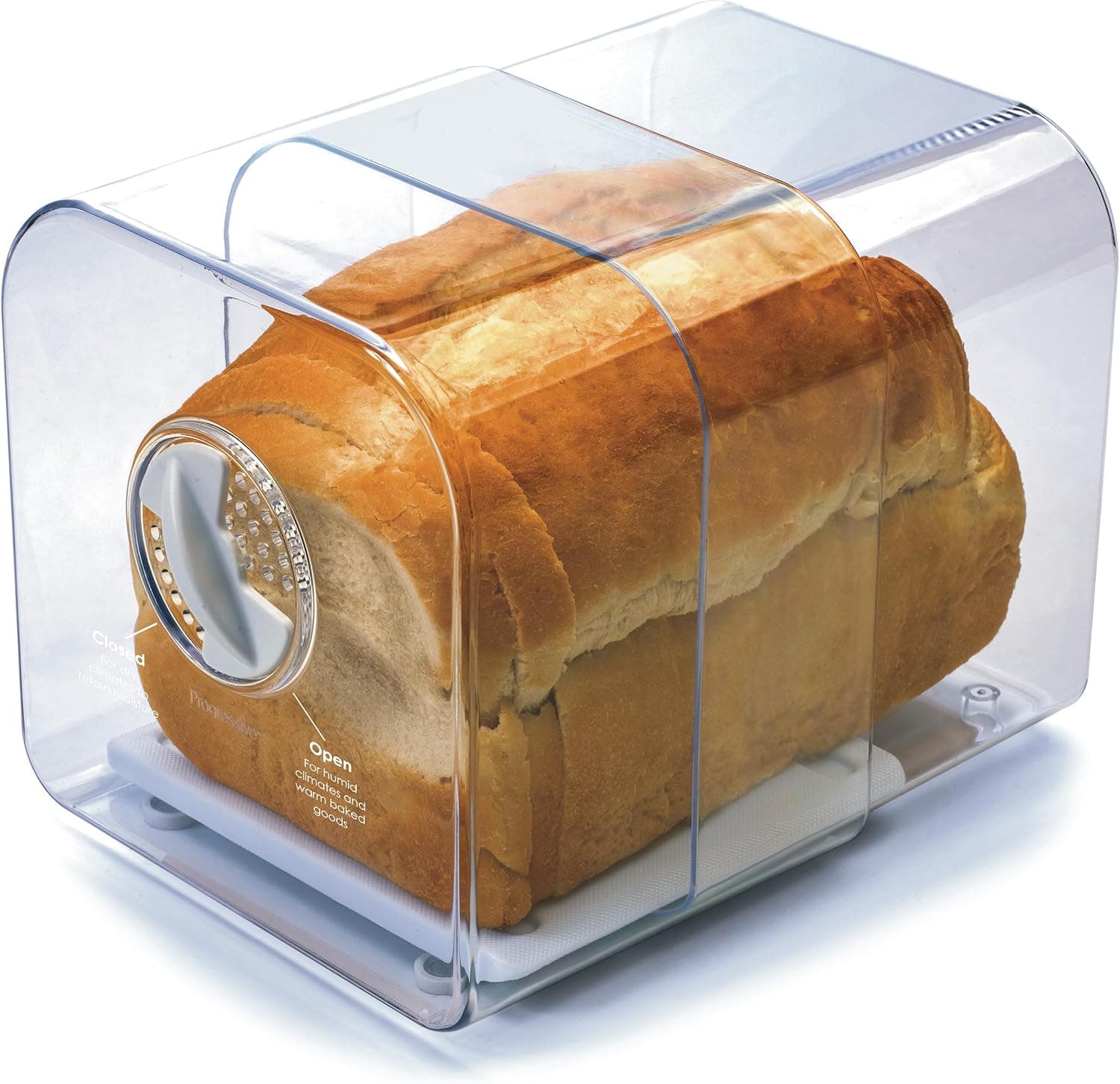
+ Expandable design adjusts to short or long loaves
From our guide: Best Bread Storage Containers
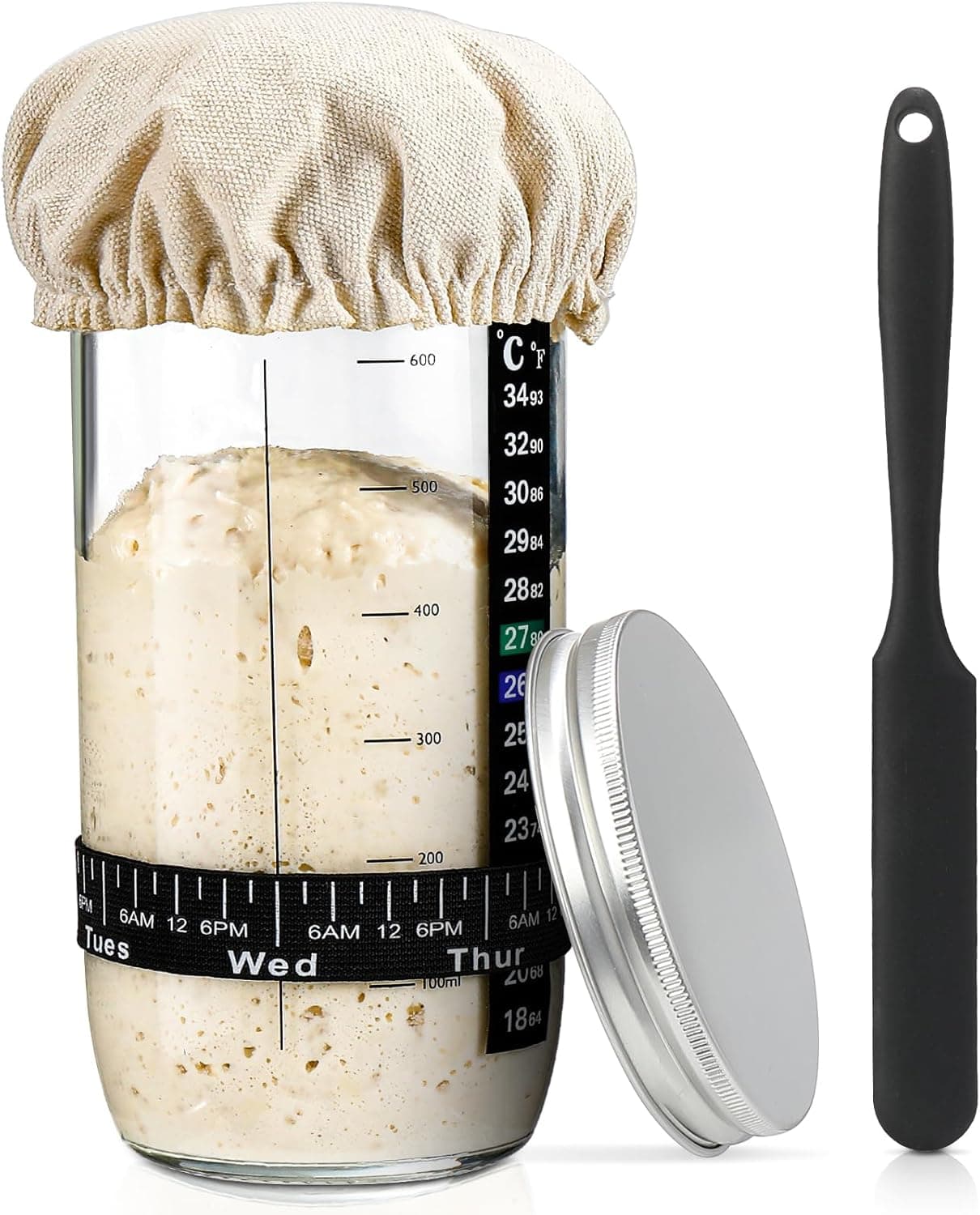
+ Date marked band helps you track feeding times and rise at a glance
From our guide: Best Sourdough Starter Jars
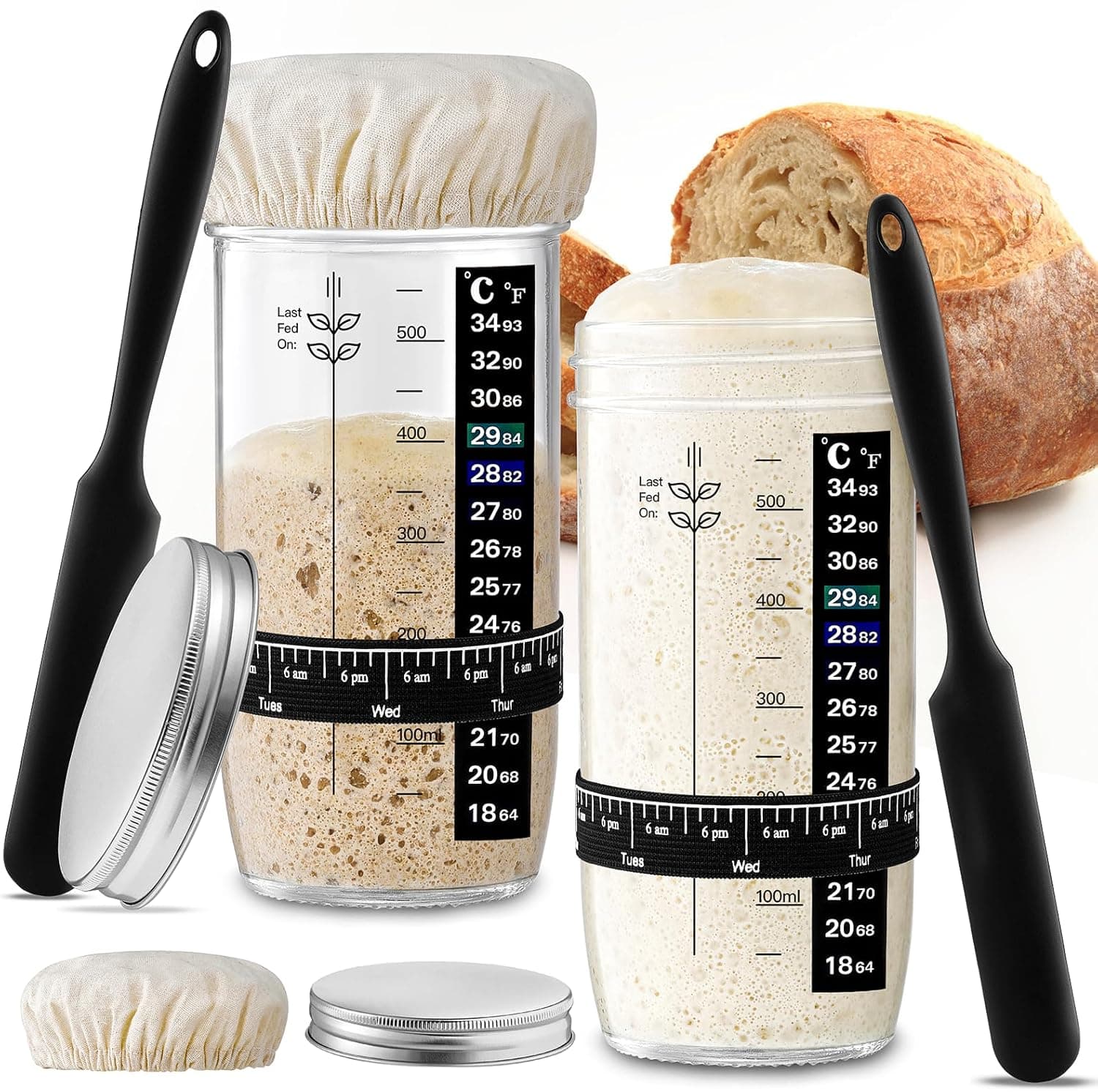
At its core, feeding means removing some of your existing starter and replenishing what remains with fresh flour and water. A common and dependable ratio is one part starter to one part water to one part flour by weight, often written as 1:1:1. For example, keep 50 grams of starter and add 50 grams of water and 50 grams of flour. Stir until smooth, and you have given the culture a fresh meal. Using a scale makes this precise and repeatable, which your starter will reward with consistent behavior.
The portion you remove before feeding is called discard, and beginners often wonder why they cannot just keep adding flour to the whole jar. The answer is that without discarding, your starter would grow enormous and become increasingly acidic as waste builds up. Discarding keeps the volume manageable and the acidity in check so the yeast stays happy. You do not have to throw discard away, though, since it can go into pancakes, crackers, and many other recipes.
Timing your feedings depends on how you store your starter. If you keep it at room temperature and bake often, it will need feeding once or even twice a day, because the warmth keeps the microbes active and hungry. You will know it is ready for another feeding when it has risen to its peak and begun to fall back down. Feeding at peak, when the starter is bubbly and domed, keeps it at its strongest.
If you bake only occasionally, storing your starter in the refrigerator is far more practical. The cold slows the culture down so dramatically that it only needs feeding about once a week. Before you plan to bake, take it out, give it one or two feedings at room temperature to wake it up, and wait until it is lively and doubling again. This flexible approach means you can keep a starter for years without daily upkeep, feeding it heavily only when you are ready to bake.
A healthy, well fed starter smells pleasantly tangy and yeasty, rises predictably after feeding, and bounces back quickly even after neglect. If yours seems sluggish, try feeding it more often, using a bit of whole grain flour for a boost, or keeping it somewhere warmer. Do not panic over a layer of dark liquid on top, called hooch, which simply means it is hungry and ready to eat. With regular feeding and a little attention, your starter will stay strong and dependable for the long haul.
Popular right now
- Banneton vs Bowl ProofingArticle
- Best Baking Stones for BreadBuying guide
- The 6 Best Silicone Baking Mats for Bread and Sourdough (2026)Buying guide
- Why Your Sourdough Dough Is Too Sticky to ShapeArticle
- The 7 Best Flour Storage Containers for Home Bakers (2026)Buying guide
- Best Sourdough Starter JarsBuying guide
Based on the last 28 days of search and visitor data.