How to Use a Banneton With a Liner for Sourdough
Published How we research
To use a banneton with a liner, fit the cloth smoothly inside the basket, dust it with rice flour, place the shaped dough in seam side up, cover it and proof. Then flip the loaf onto parchment and lift the basket off. The liner keeps wet dough from grabbing the cane and gives a smooth crust, while a bare basket gives the classic spiral rings. This article walks through each step, from preparing a new basket to cleaning it afterward.
Products from this article
The highest-scoring picks from the buying guides this article links to. Scores are our editorial assessment, not customer ratings.
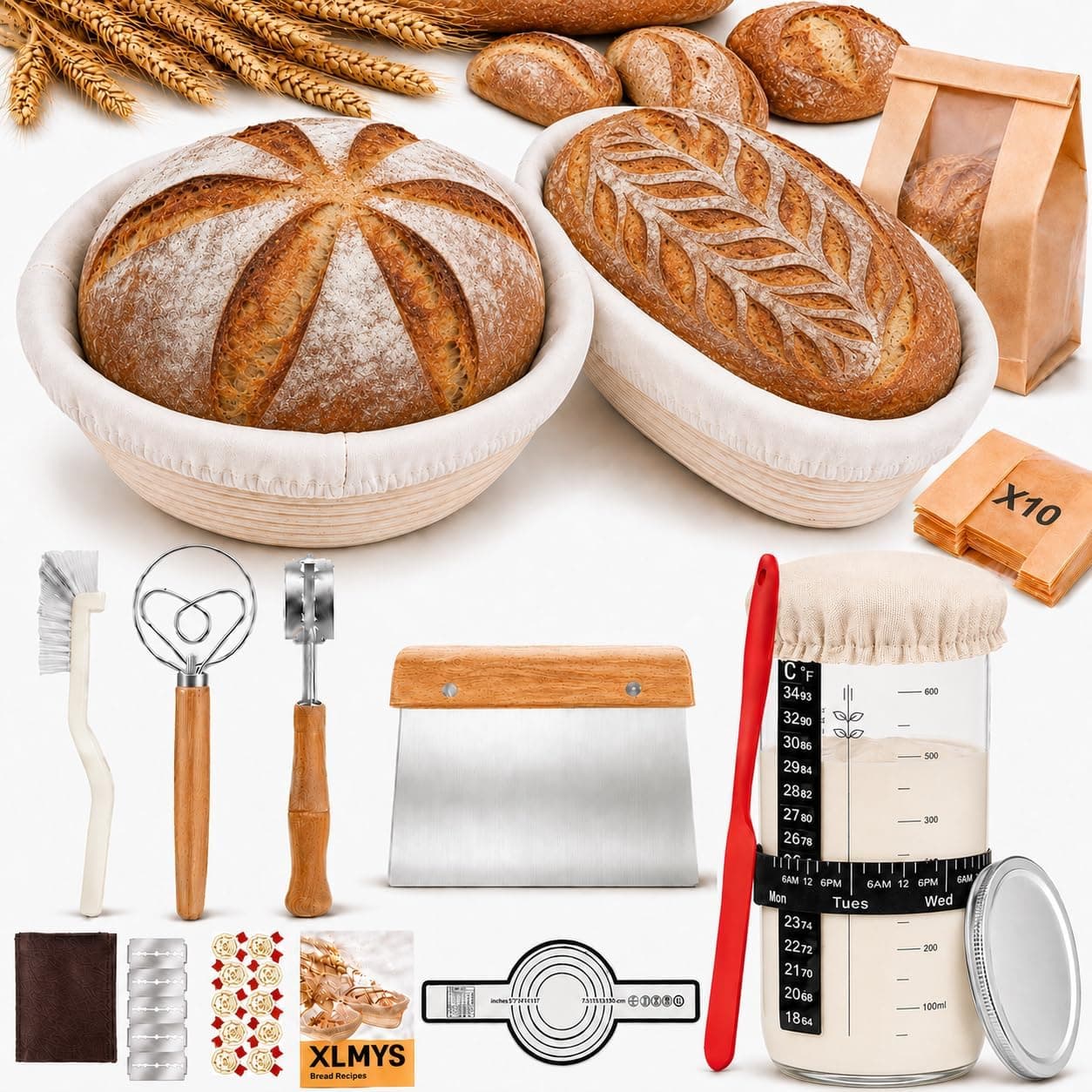
+ Starter jar is included, so beginners can build a culture and bake with one kit
From our guide: Best Bannetons
+ Mix of round and oval liners covers both common basket shapes
From our guide: Best Brotform Liners
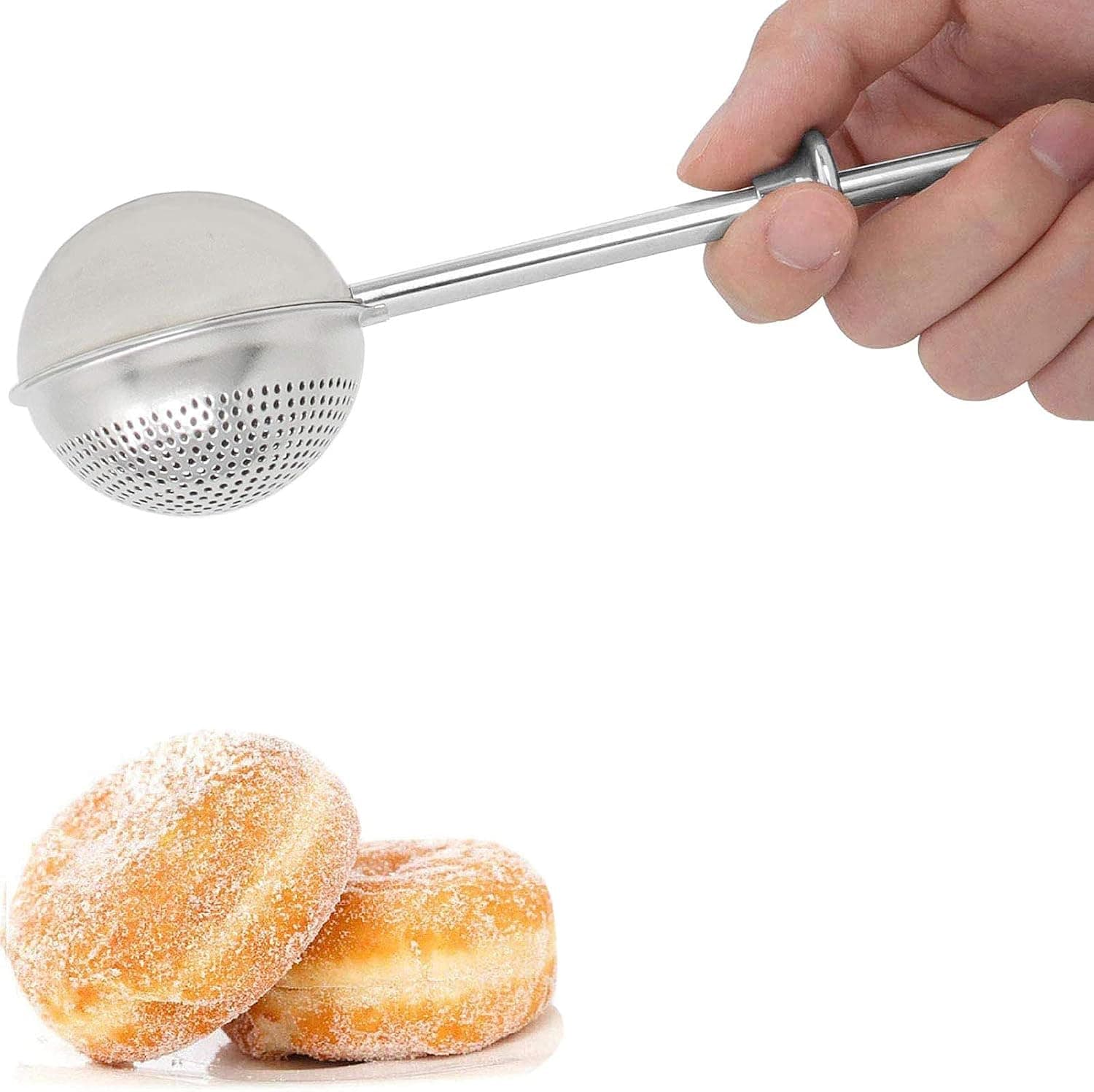
+ One-handed operation leaves your other hand free to hold dough or a basket
From our guide: The 6 Best Flour Shakers for Dusting Sourdough Loaves (2026)
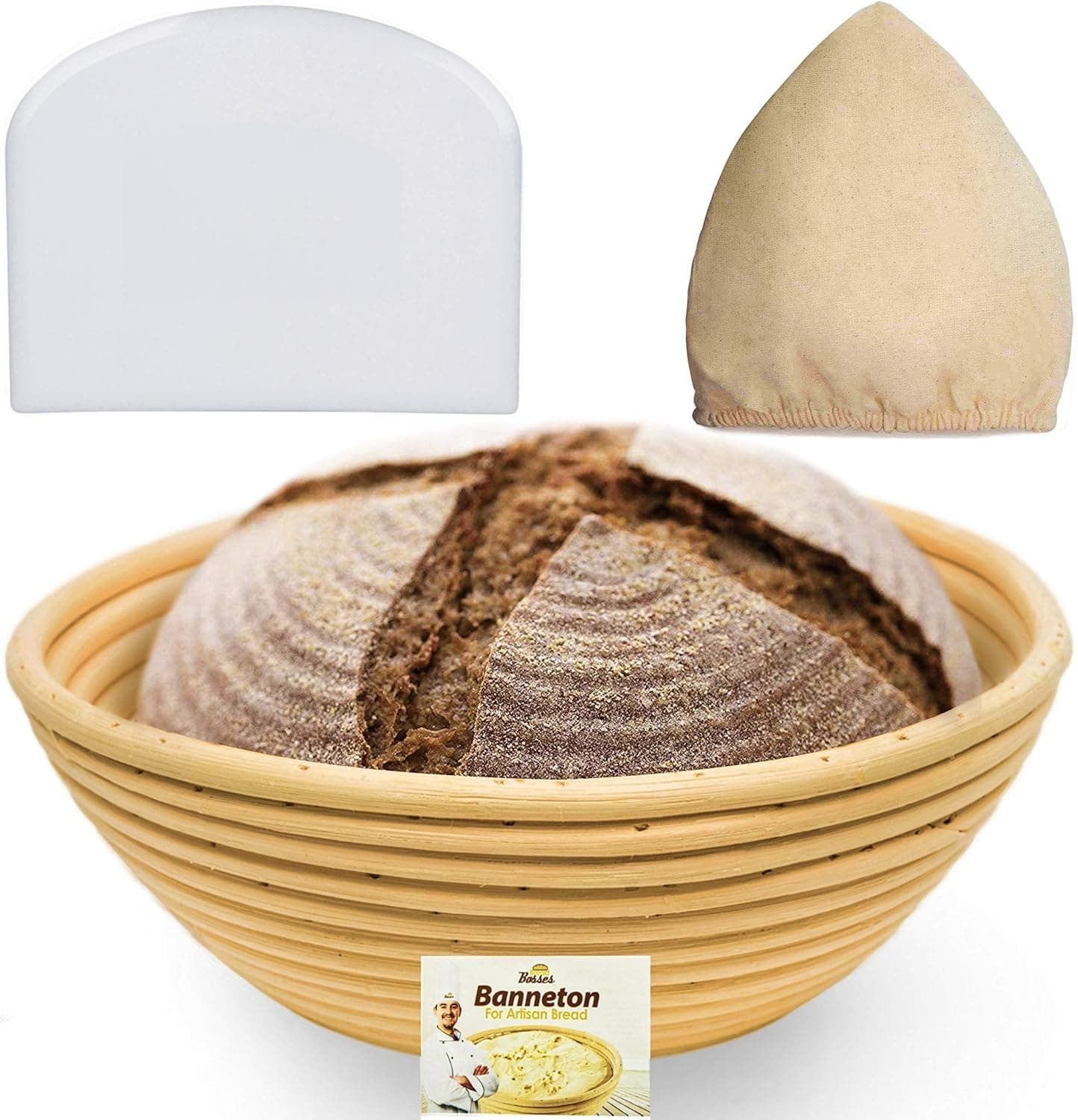
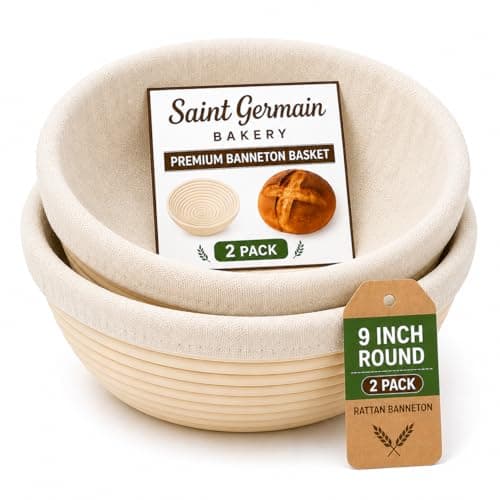
+ Two 9 inch round baskets at a low price for the pair, enough to proof a double batch.
From our guide: Best Bannetons

Seasoning a new banneton before the first loaf
A new rattan banneton is dry and slightly fuzzy inside, and dough will grab it if you skip preparation. Mist the inside lightly with water, then dust it with a thin, even layer of rice flour and tap out the extra. Let it dry for a few hours before using it. Do this once for a brand new basket and the surface starts building the thin flour layer that keeps dough from sticking later.
Rice flour works better than wheat flour here because it has no gluten and absorbs less moisture, so it stays loose and dusty instead of turning into paste. Wheat flour works in a pinch, but mix it half and half with rice flour if you can. If the basket has loose rattan fibers, shake it upside down and brush them off so they do not end up in the crust.
When a liner helps and when to go without
A banneton can be used bare or with a cloth liner. Bare, the basket leaves the classic spiral rings on the crust and the flour dusting gives a rustic, pale ring pattern. With a liner, the loaf comes out smooth, with a fine fabric texture, and the dough touches cloth instead of cane. Which one you pick is mostly about the look you want and how wet your dough is.
Liners are the safer choice for beginners and for high hydration dough, because the cloth acts as a barrier and releases more cleanly. They also protect the rattan from sticky dough and make cleaning easier, since you can wash the liner and just brush out the basket. Use no liner if you want the spiral rings and your dough is firm enough, roughly 70 percent hydration or lower, to hold up against flour alone.
How to fit a liner and flour it
Choose a liner that matches the basket shape and size, round for a round basket and oval for an oval one. Drop it in and press it down so it follows the walls, with the elastic or drawstring edge sitting over the rim if it has one. Wrinkles in the cloth will print on the loaf, so smooth it out with your hand before you add dough.
Even with a liner you still need flour. Dust the cloth with a mix of rice flour and wheat flour, using a fine mesh shaker so the layer is even, then tip out the extra. Wetter dough needs a heavier coating, and a good habit is to work flour into the weave with your fingertips. A shaker with fine holes makes this faster and keeps flour off the counter.
Cotton and linen liners both work. Linen is a little smoother and dries faster, while cotton is softer and often cheaper. Neither needs to be washed after every bake, and a liner that has built up flour over several uses releases better than a fresh one.
Loading the dough and proofing
Shape the dough into a tight boule or batard, then place it seam side up in the basket so the smooth, tensioned surface faces down against the cloth or cane. When you flip the loaf out later, that surface becomes the top of the loaf where you score it. Pinch the seam closed if it opens, and nudge the dough into the center so it sits evenly.
Cover the basket with a plastic bag, a shower cap or a damp towel to stop a skin from forming. You can proof at room temperature for a short time, or put the covered basket in the refrigerator for a cold proof that typically runs from 8 to 16 hours. Cold dough is firmer, easier to turn out and easier to score, which is why many bakers choose it, especially for wet loaves.
Check readiness with the poke test instead of the clock. A floured fingertip pressed in about half an inch should leave a dent that springs back slowly and only partway. If it springs back instantly, the dough needs more time. If the dent stays and does not move, it is overproofed and should be baked right away.
Turning the loaf out cleanly
Heat the oven and baking vessel first, so the dough does not sit around once it leaves the basket. Cut a piece of parchment a bit larger than the loaf, set it on top of the banneton, then flip the whole thing over in one motion. Lift the basket straight up. A well floured banneton lets the dough drop out by gravity, and with a liner you can peel the cloth off slowly.
If the dough clings, do not pull on it. Run a thin spatula or your fingers gently around the edge, or give the basket a firm tap on the counter to break the seal. Sticking that happens every time usually means too little flour, a basket that was never seasoned, or dough that is too wet for the method. The cause and fixes are covered in more detail in our guide to dough that sticks to the banneton.
Score the loaf right after it comes out and use a sharp blade held at a shallow angle. Cold dough from the refrigerator scores more cleanly and the cuts open wider in the oven.
Cleaning and storing the banneton and liner
Never wash a rattan banneton with soap or soak it in water. Let it dry fully, then knock out loose flour and brush the inside with a stiff dry brush. Small patches of dried dough can be scraped off with a bench scraper once they are dry. Soap residue can flavor the dough, and water can warp the cane and encourage mold.
Liners can be shaken out and brushed. If one gets a stuck patch of dough, let it dry and scrape it, then rinse with plain water if needed, and hang it until completely dry. Skip fabric softener because it leaves a coating on the cloth. Store everything in a dry spot with air flow, not in a sealed bag, since trapped moisture is what causes mold. If you see mold, bake the basket in a low oven or discard it, because cane is porous.
Over time, a flour coating builds up inside the basket and on the liner. This is normal and helpful, and it is a reason to brush rather than scrub.
Frequently asked questions
Do I need a liner in a banneton? No. Many bakers use bannetons bare and get the traditional spiral rings. A liner helps with wet dough, beginners and easier cleanup, and gives a smooth crust instead of rings.
Should I flour a banneton that has a liner? Yes. The liner reduces sticking but does not remove it. Dust the cloth with a mix of rice flour and wheat flour before adding the dough.
Can I use a kitchen towel instead of a banneton liner? Yes, a lint free, well floured towel can line a bowl or basket. Avoid terry cloth, which grabs the dough, and avoid towels with a heavy weave that print patterns onto the crust.
How often should I wash the liner? Not after every bake. Shake it out and let it dry. Wash it only when it has stuck dough or smells, using plain water, and let it dry completely before reuse.
Popular right now
- Banneton vs Bowl ProofingArticle
- Best Baking Stones for BreadBuying guide
- The 6 Best Silicone Baking Mats for Bread and Sourdough (2026)Buying guide
- Why Your Sourdough Dough Is Too Sticky to ShapeArticle
- The 7 Best Flour Storage Containers for Home Bakers (2026)Buying guide
- Best Sourdough Starter JarsBuying guide
Based on the last 28 days of search and visitor data.