Understanding Sourdough Hydration Basics
Published How we research
Hydration is water weight as a percentage of flour weight (375g water / 500g flour = 75% hydration). Higher hydration gives a wetter, stickier dough with a more open, airy crumb; lower hydration is stiffer and easier to handle with a tighter crumb. Beginners should start around 65-70%. Your starter's water and flour count toward total hydration, and whole grain or higher-protein flours absorb more water than white or all-purpose flour, so the same percentage feels different by flour type. Hydration is one of those terms that sounds technical but describes something very simple: how much water is in your dough relative to the flour. It is expressed as a percentage using baker's math, where the flour is always treated as 100 percent and every other ingredient is measured against it. If a recipe uses 500 grams of flour and 375 grams of water, the hydration is 375 divided by 500, which equals 75 percent. Once you understand this single number, recipes become much easier to read and adjust.
Products from this article
The highest-scoring picks from the buying guides this article links to. Scores are our editorial assessment, not customer ratings.
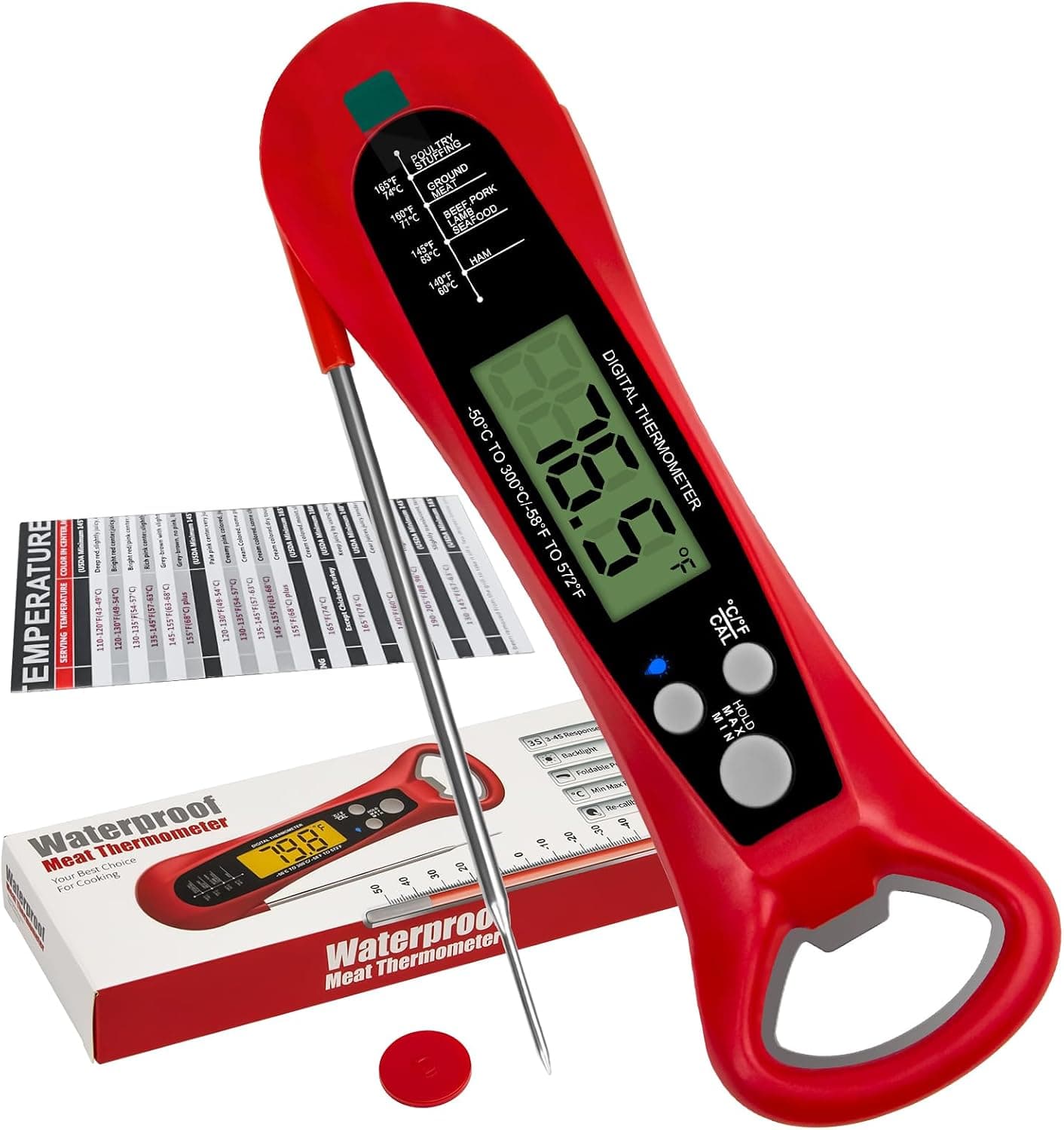
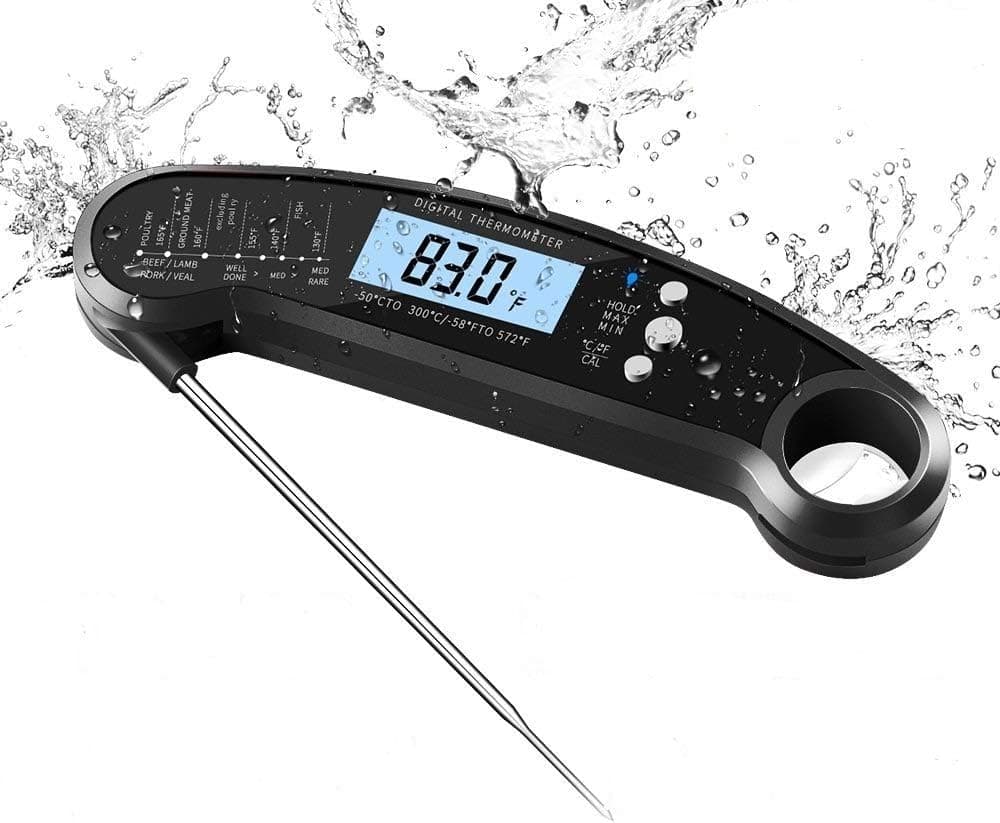
+ Backlight makes readings clear in a dim oven or evening kitchen
From our guide: Best Kitchen Thermometers
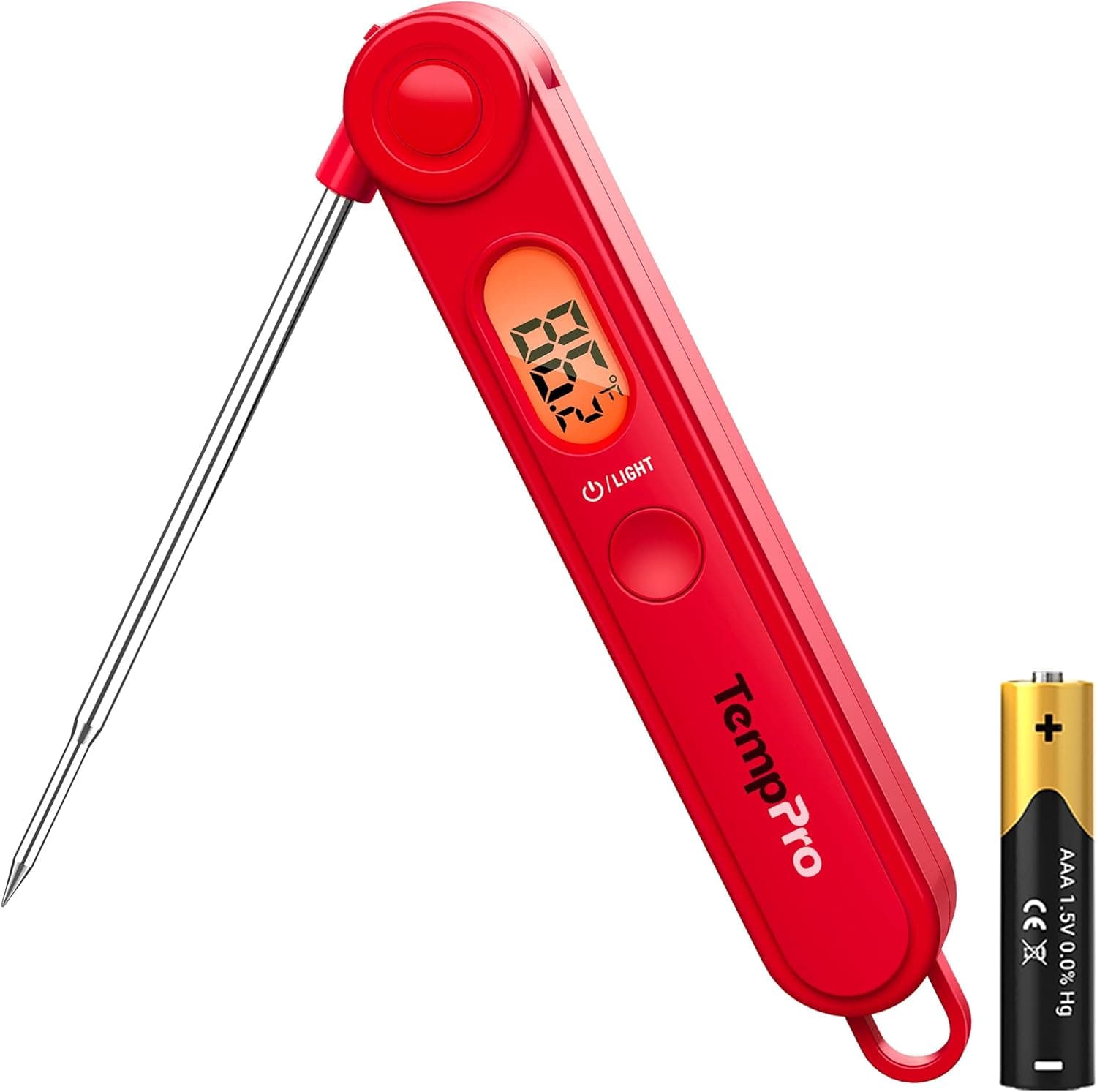
+ Explains the science behind fermentation, so you understand why each step matters
From our guide: Best Sourdough Recipe Books
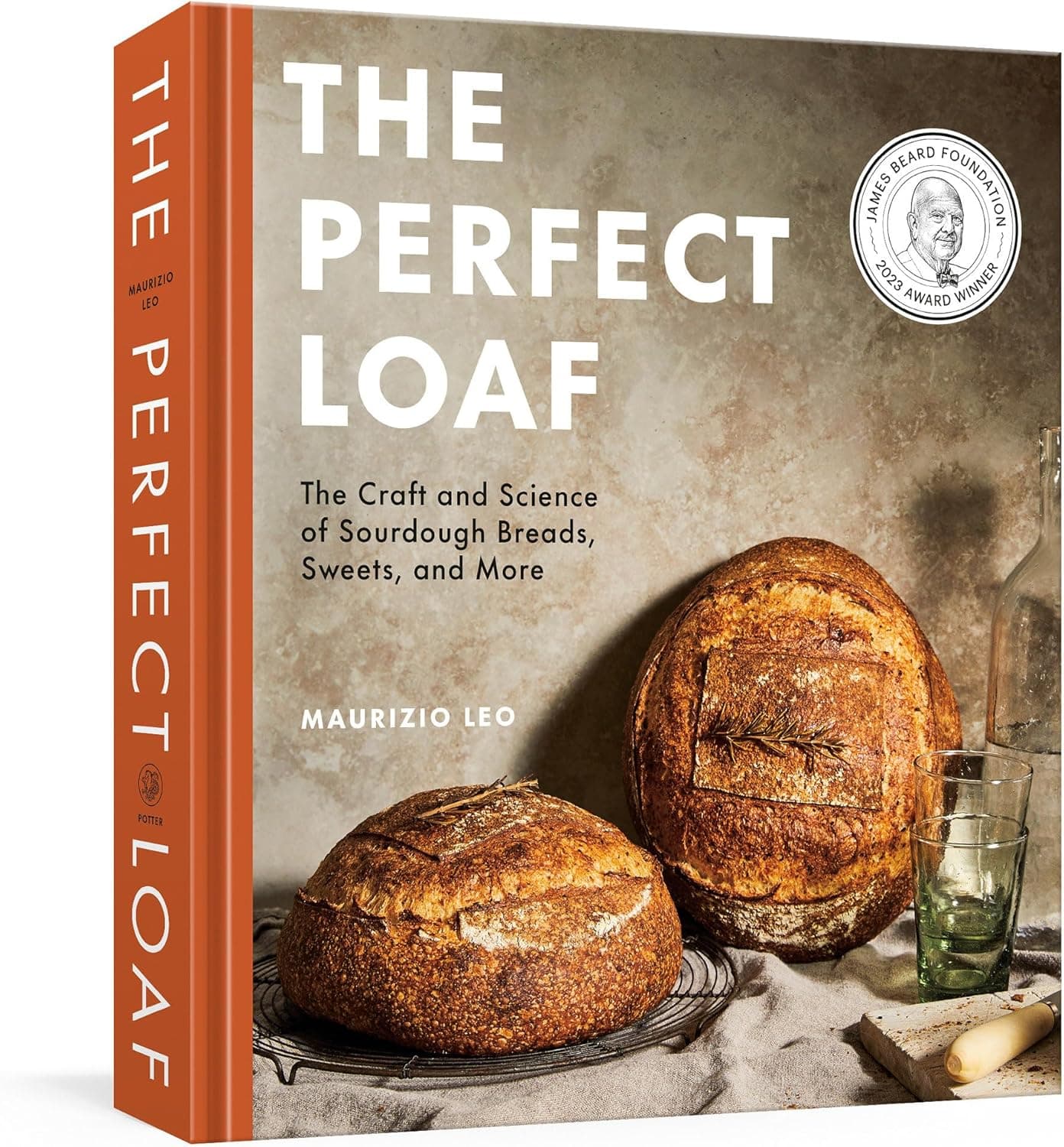
+ Curved edge scrapes bowls while the flat edge cuts and cleans the bench
From our guide: Best Bowl Scrapers
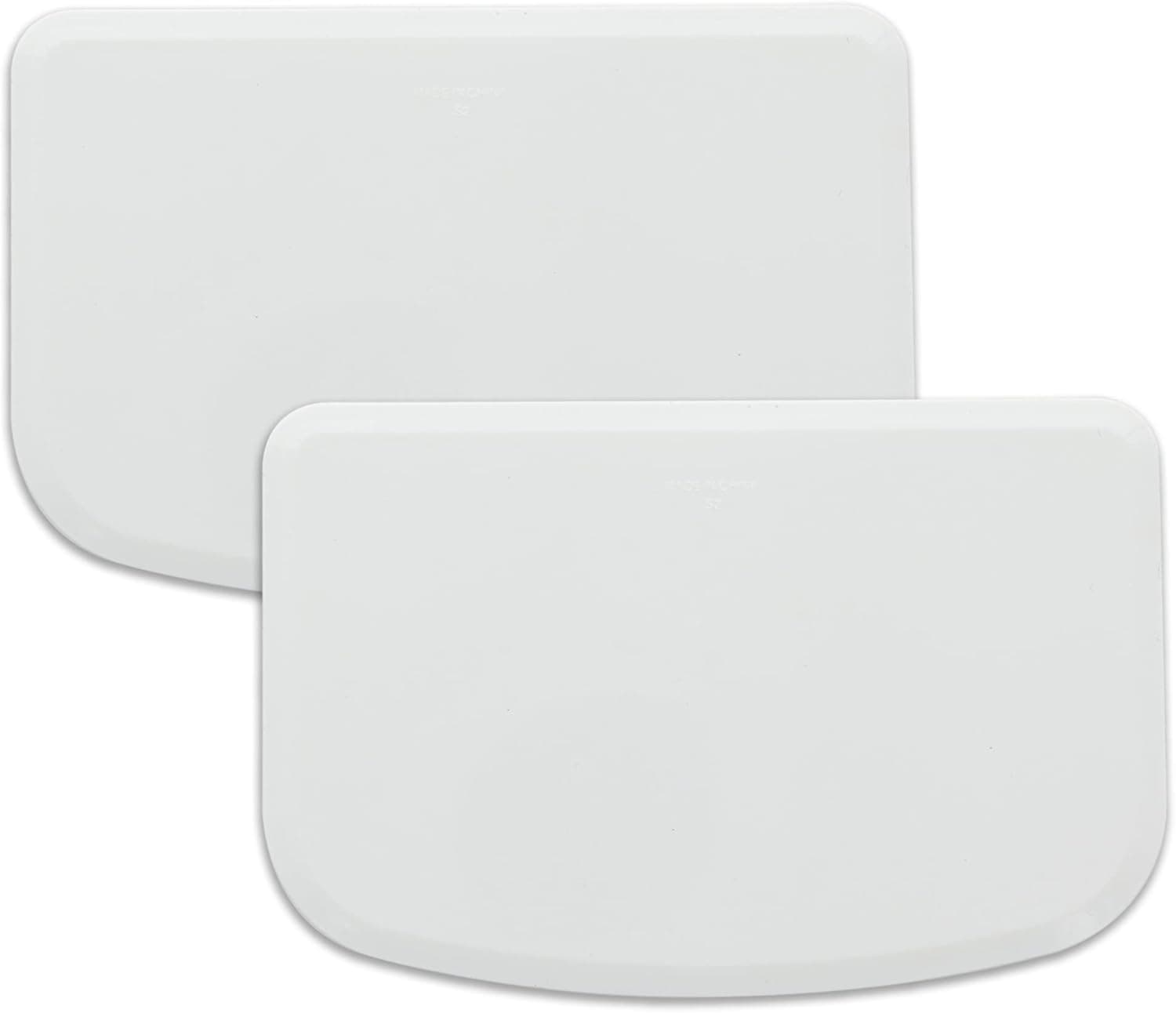
+ Bread is listed as a target use, suiting dough and loaf checks
From our guide: Best Kitchen Thermometers
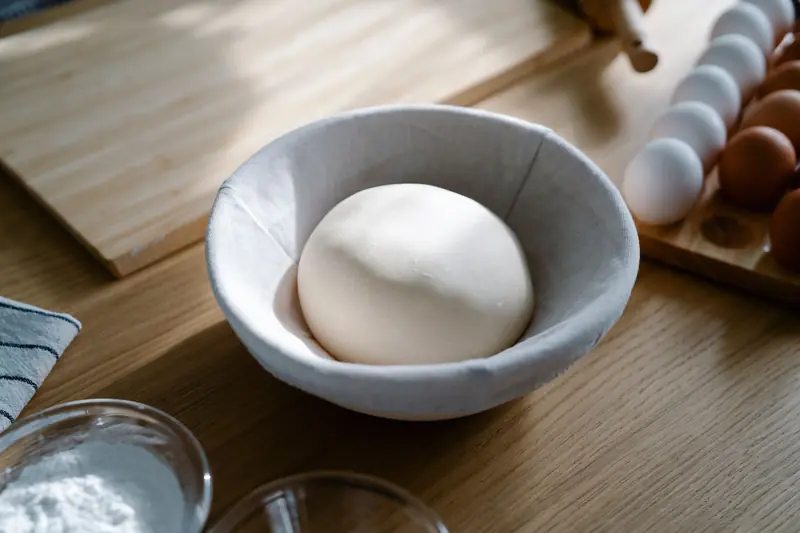
What hydration means and why it matters
Hydration matters because water controls how a dough behaves at every stage. Higher hydration doughs are wetter, stickier, and more slack, and they tend to produce a more open, airy crumb with large irregular holes, the look many artisan bakers prize. Lower hydration doughs are stiffer, easier to handle, and produce a tighter, more uniform crumb that is well suited to sandwich loaves and shaping-heavy recipes. Neither is better; they simply serve different goals.
A sensible starting point for beginners
For beginners, starting around 65 to 70 percent hydration is wise. Dough in this range is forgiving, holds its shape well, and is far easier to shape and score than a very wet dough. As your handling skills improve you can push toward 75, 80, or even higher, but very high hydration doughs demand confident technique, good gluten development, and often a stronger flour to hold all that water. Jumping to 85 percent too early is a common reason beginners end up with flat, unmanageable puddles.
Your starter's water counts toward total hydration
Remember that your starter contains water too, and it counts toward total hydration. Most starters are kept at 100 percent hydration, meaning equal parts flour and water, so if you add 100 grams of starter you are effectively adding 50 grams of flour and 50 grams of water to your recipe. Accurate bakers include the starter's flour and water in their calculations to know the true hydration of the final dough. Ignoring this can make a recipe wetter than you intended.
Flour type changes how much water dough can absorb
Flour type also changes how much water a dough can absorb. Whole grain flours like whole wheat and rye soak up considerably more water than white flour because of their bran and germ, so a 75 percent whole wheat dough will feel much stiffer than a 75 percent white dough. Bread flour, with its higher protein, can hold more water and support higher hydration than all-purpose flour. This is why the same hydration number can feel completely different depending on the flour in the bag.
Treat hydration as a dial, not a fixed rule
The practical takeaway is to treat hydration as a dial you adjust to your ingredients, skills, and desired result rather than a fixed rule. Weigh your ingredients with a scale rather than measuring by volume, since flour especially varies enormously by cup. Keep notes on the hydration you used and how the dough felt and baked, and over time you will develop an intuition for exactly how wet you want your dough for the crumb you are chasing.
Frequently asked questions
What does hydration mean in sourdough baking? The percentage of water relative to flour by weight, using baker's math where flour is always 100 percent. 375 grams of water with 500 grams of flour is 75 percent hydration.
What hydration should a beginner use for sourdough? Around 65 to 70 percent. Dough in this range is forgiving, holds its shape well, and is far easier to shape and score than a very wet high-hydration dough.
Does my sourdough starter count toward hydration? Yes. Most starters are 100 percent hydration (equal flour and water), so 100 grams of starter adds 50 grams of flour and 50 grams of water to your recipe's total hydration.
Why does the same hydration percentage feel different with different flours? Whole grain flours like whole wheat and rye absorb more water than white flour because of their bran and germ, so a 75 percent whole wheat dough feels much stiffer than a 75 percent white dough.
Popular right now
- Banneton vs Bowl ProofingArticle
- Best Baking Stones for BreadBuying guide
- The 6 Best Silicone Baking Mats for Bread and Sourdough (2026)Buying guide
- Why Your Sourdough Dough Is Too Sticky to ShapeArticle
- The 7 Best Flour Storage Containers for Home Bakers (2026)Buying guide
- Best Sourdough Starter JarsBuying guide
Based on the last 28 days of search and visitor data.